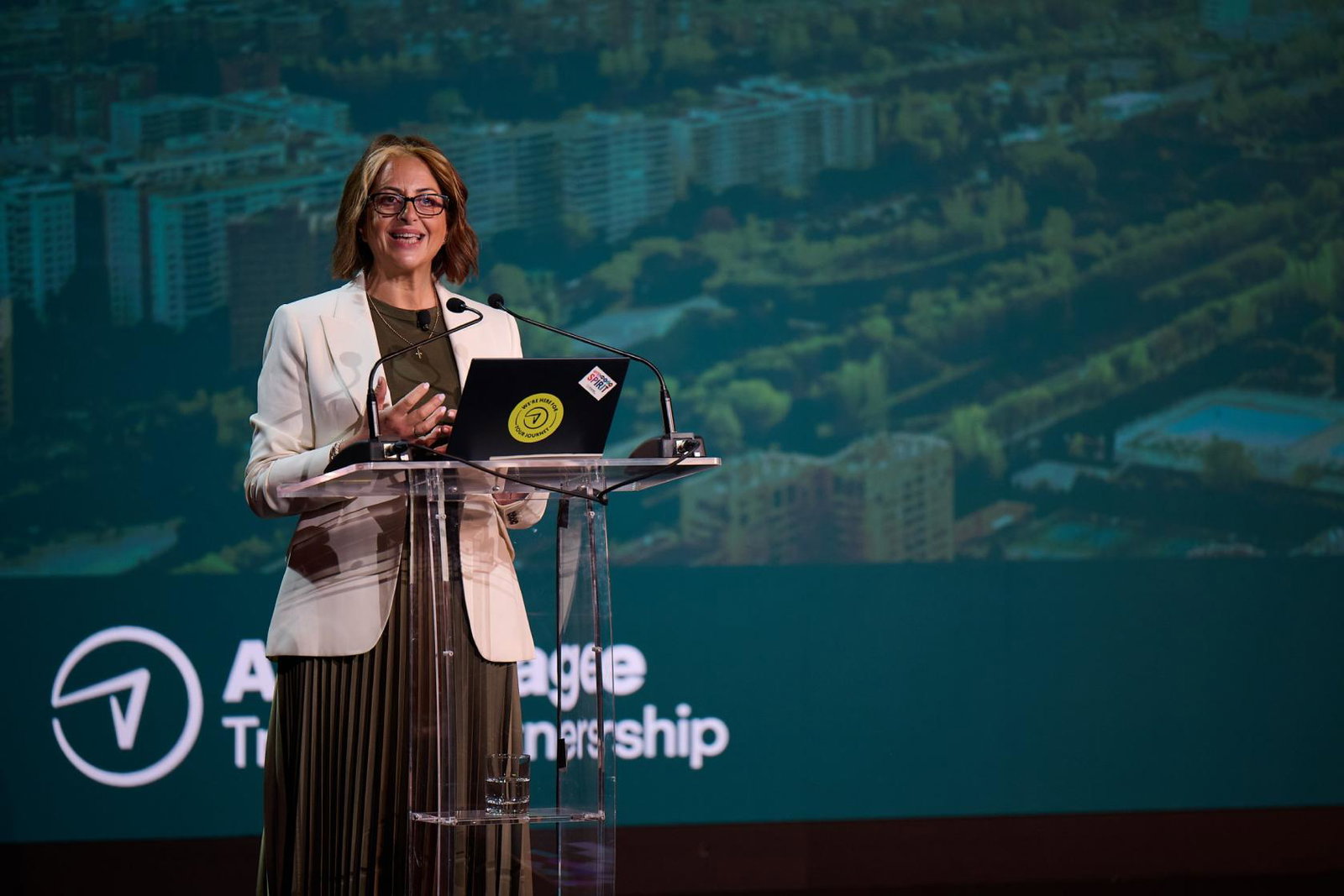
In her opening address at the 2026 Advantage conference in Madrid, Lo Bue-Said said the war in Iran had over the past three months served as a stark reminder of how "exposed" the package travel sector is to forces beyond its control.
Addressing members, she said the challenges for agents had been "immediate" and "operational" – navigating airspace closures in the Gulf region affecting holidays there and transit to destinations further east, managing cancellations, and supporting stranded passengers.
Lo Bue-Said said the war had exposed "the complexity, and at times, contradiction" within the regulatory frameworks the industry currently operates. Package Travel Regulations, Atol, Foreign Office advice, travel insurance and EU261 "do not always align in times of crisis", said Lo Bue-Said.
This, she warned, is leaving businesses – particularly those in the leisure sector – "struggling to support customers in a way that is responsible and commercially viable".
Advantage adds £300m in membership turnover
She highlighted how Gulf carriers are now operating around 90% of their pre-war schedules, yet the FCDO continues to advise against all but essential travel to the likes of the United Arab Emirates and Qatar – even if transiting – "leaving many consumers confused".
Lo Bue-Said said tour operators' obligation to re-route passengers travelling via the Middle East to comply with the PTRs, which don't allow travel in contravention of FCDO advice, was creating additional disruption and cost for these businesses, their customers, and travel agents.
At the same time, those booking independently are still able to do so and can do so without valid insurance. "The result is a clear inconsistency," said Lo Bue-Said. "Businesses operating within the regulatory package holiday market framework are effectively disadvantaged compared with those operating outside it.
"The challenge for all of us is not simply to weather this storm, it is to emerge from it better prepared, more agile, and more united than before."
'Period of constraint'
Closer to home, she said the most significant impact would be on "already fragile consumer confidence", with the domestic economic outlook and "political turmoil" – exemplified by last week's local elections – "offering little additional reassurance".
Lo Bue-Said, citing Bank of England forecasts, said 2026 was shaping up to be another challenging rather than catastrophic year, albeit with many uncertainties and all while households navigate higher borrowing costs and energy prices.
For businesses, measures outlined in last year's Budget took effect in April – increases in National Insurance contributions, minimum wages and business rates, Lo Bue-Said said, were placing "direct strain" on businesses throughout travel at a time of "very real and immediate operational pressures".
"This is not a crisis, but it is a period of constraint," she said. "Businesses are adapting, but they are doing so cautiously. Recruitment is being paused, hours are being reduced, and in some cases, growth plans are being reconsidered."
She issued a plea to ministers to recognise the sector's famed resilience and the fact it, like all others, had limits. "If we want businesses to invest, to hire, and to grow, then we must create the conditions that enable that growth – not simply expect businesses to absorb continued pressure," she said.
'Powered by people'
Lo Bue-Said also touched on the theme of the 2026 conference, powered by people, reminding delegates that amid all the disruption and headwinds, the growth of online platforms and the rise of AI, travel remains a "deeply human endeavour".
"People don't book holidays," said Lo Bue-Said. "They book experiences, memories, milestones, honeymoons, family reunions, once-in-a-lifetime adventures. It takes a person, someone who listens, understands, and genuinely cares, to get that right.
"Technology surfaces options, empowering the process. But it takes a human being to know the difference between what a client asks for and what they actually need – and we have seen in moments of crisis, in particular, the impact of this human interaction."
Lo Bue-Said said travel's professionals were core to its resilience. "When flights were cancelled, itineraries unravelled, and travellers were left stranded far from home, support didn’t come from an algorithm, it came from experienced travel consultants providing real, human assistance," she insisted.
She fired another warning at lawmakers not to take this for granted. "That accountability - that human connection - remains the industry’s greatest strength," she said. "It should not be interpreted by policymakers as complacency or as an expectation the sector will simply manage the consequences when challenges arise without adequate policy support."