Speaking at an Airlines for Europe event in Brussels this week, Ryanair chief executive Michael O'Leary played down any immediate changes, The Guardian reports, but warned if fuel price hikes "drag on for six months", it would become an issue for airlines.
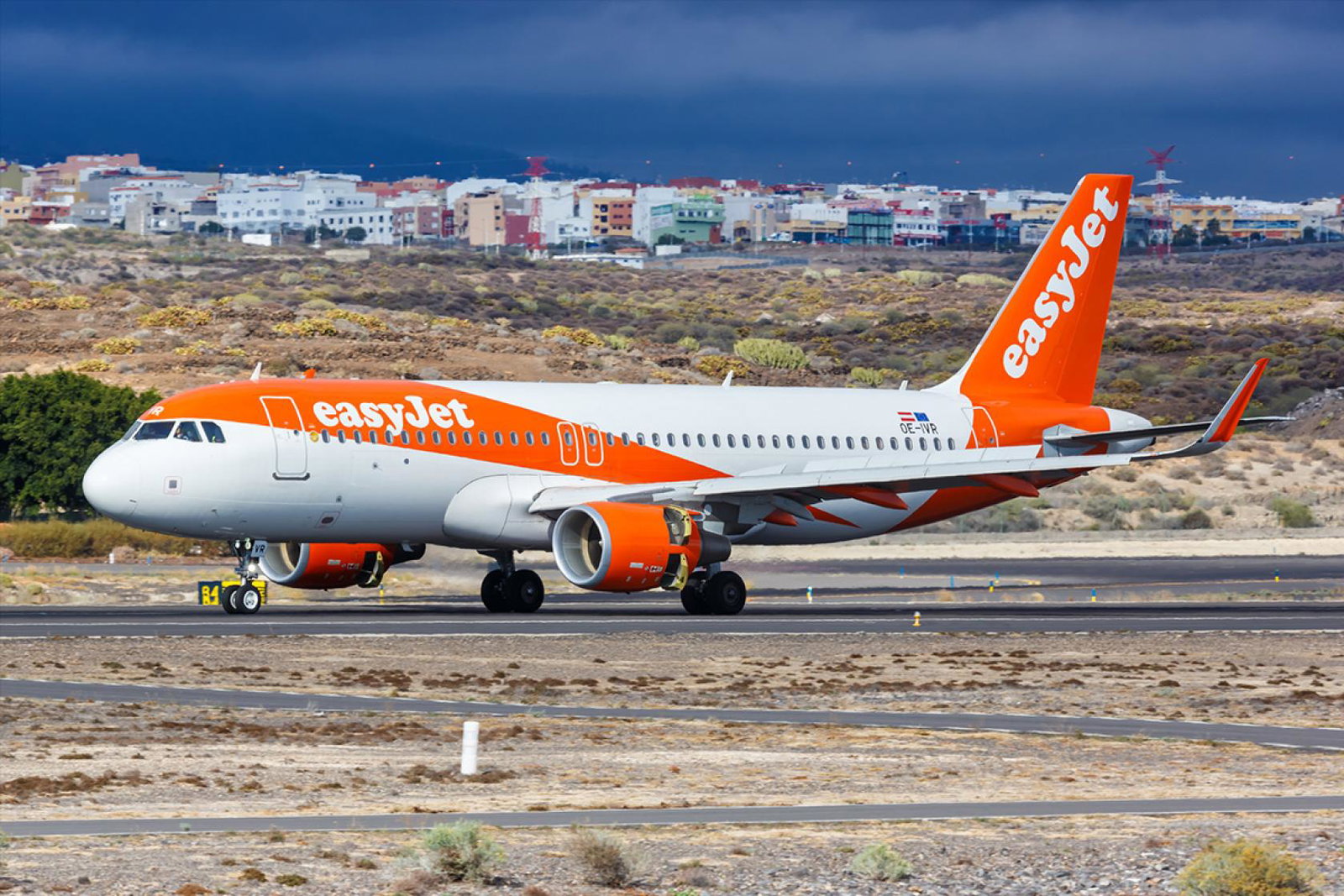
EasyJet chief executive Kenton Jarvis, meanwhile, urged customers to book as early as possible, revealing the prices at which carriers are hedging fuel were starting to unwind, which would likely lead to higher fares. According to Iata's jet fuel monitor, the price of kerosene is up by 94.4% against the annual average as of Friday (20 March).

However, some of Europe's long-haul carriers, including Lufthansa and British Airways, have started to redeploy capacity, amend their schedules and add extra routes and frequencies in response to the crisis to strengthen their hand in the long-haul market.
British Airways has added a direct Colombo service and a new Melbourne service via Kuala Kumpur, as well as extra flights to several Caribbean destinations and more services to Tokyo and Cape Town.
BA has paused its Doha service until the end of April, its Amman, Bahrain, Dubai and Tel Aviv services until 31 May, and Abu Dhabi service until the start of the 2026/27 winter season on 25 October as it puts capacity assigned to the Middle East into other markets.
On Friday, Singapore Airlines confirmed its Gatwick-Singapore service would increase from daily to double-daily between 3 July and 29 August. Prior to this, from 31 March to 2 July, and later from 1 September to 24 October, three extra weekly flights will grow the route to 10 weekly flights.
Elsewhere, Lufhansa has added 40 flights to Asia to try and compensate for the disruption in the Gulf.
Meanwhile, oil traders expect to see shortages of jet fuel from the continued closure of the Strait of Hormuz within the coming weeks as reserve supplies run down, The Guardian also reports.
This week, Vietnam became the first country to warn of possible flight cancellations from April, with China and Thailand announcing they were halting exports of fuel to maintain their own supplies.
Other countries are expected to follow suit in the coming days with industry experts warning that airlines could be forced to stop serving some long-haul destinations.
The Sri Lankan government is limiting purchases of fuel in response to the situation in the Middle East. All vehicles will be allocated a weekly fuel quota. The country's government has announced that special arrangements will be implemented for tour operators and hotels to minimise disruption to tourism.