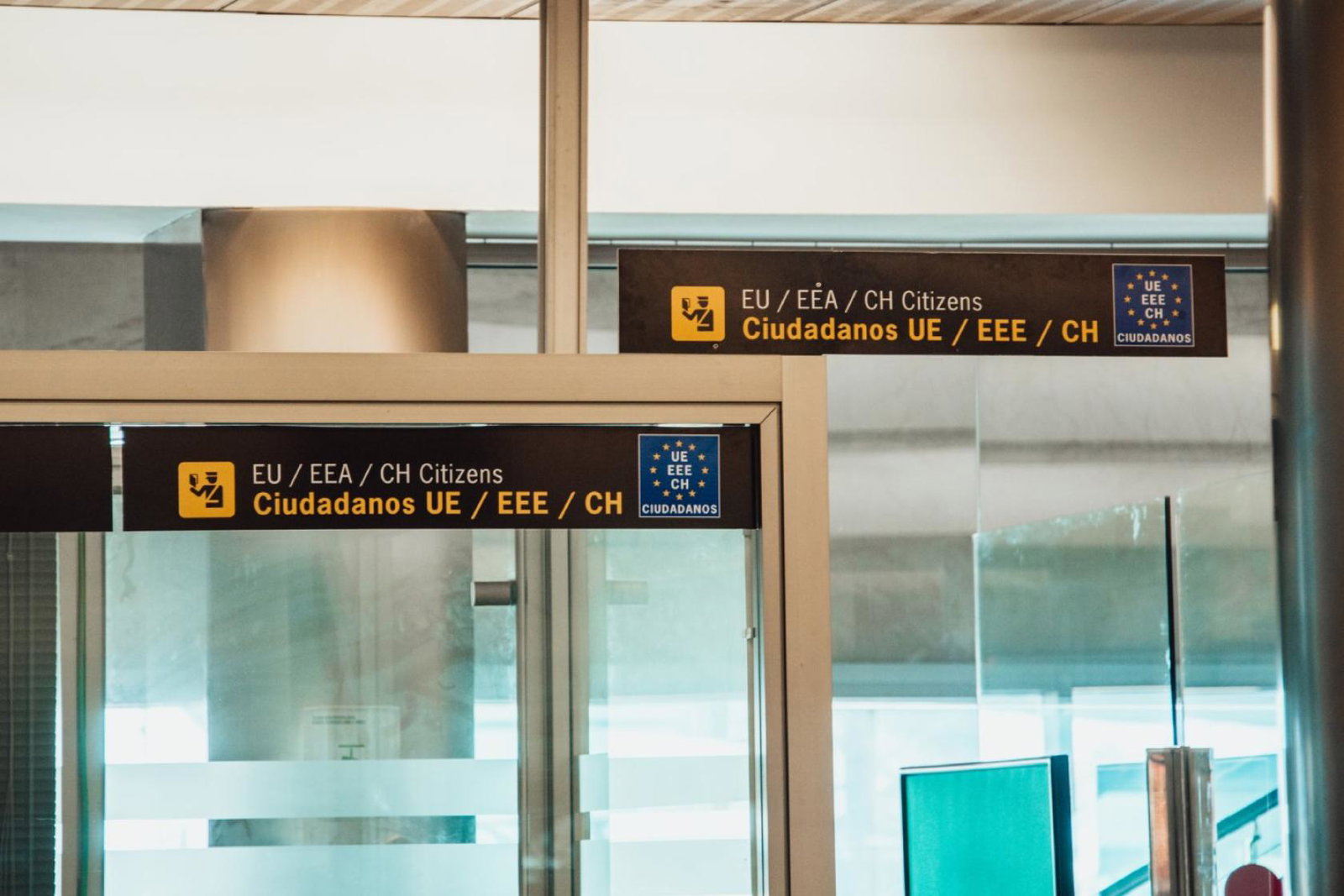
The EU plans to roll out the European Travel Authorisation and Information System, or Etias, during the last quarter of 2026. Equivalent to the US's Esta regime or the UK's ETA, it will require all travellers from the UK to obtain an online visa waiver costing €20 (£17.50).
While it is separate from EES, which launched on Sunday (12 October) and will see passport stamping replaced with fingerprinting and facial scans, Etias will rely on EES data to vet travellers.
During a House of Lords call for evidence on Tuesday (14 October), Niovi Vavoula, University of Luxembourg associate professor and chair in cyber policy, said she was “pessimistic” about the launch of Etias.

"There are going to be too many databases operational at the same time at border crossing points,” she said. “There is whole network of systems that need to work smoothly at the same time.”
She warned the Lords' Justice and Home Affairs Committee: “I believe for some months, the data should not be used."
Vavoula explained one of the Etias pre-screening checks will be travellers' entry-exit record. However, she said this could be distorted because only a fraction of entry points are currently using EES.
She said the flexibility granted to countries launching EES “will create inadequate and inaccurate statistical data in the Entry-Exit System, at least for some months”.
“I believe we need a period of time for glitches and problems to be resolved," she said, adding this would ensure data was good quality for other uses “in Etias or elsewhere”.
Committee chair Lord Foster of Bath said members of the committee were “clearly somewhat shocked by what you’ve just told us about the potential problems” and asked for written details “quite urgently”.
"In particular, could you add in the issue of sharing data with the UK, because of course – following Brexit – we have lost out on a number of database access,” he said.