Only Czechia, Estonia and Luxembourg opted to introduce the EU Entry-Exit System (EES), which will replace passport stamping, in full as it went live on Sunday (12 October).
Non-EU travellers will, in future, be required to register their fingerprints and submit to a facial scan when they enter the union, with these details remaining on file for three years.
The House of Lords Justice and Home Affairs Committee on Tuesday (14 October) heard most countries would introduce EES “very, very, slowly”, utilising the six-month introduction period to avoid pitfalls.

Some countries are trialling systems at single airports, the committee heard, including Madrid, Dusseldorf and Oslo.
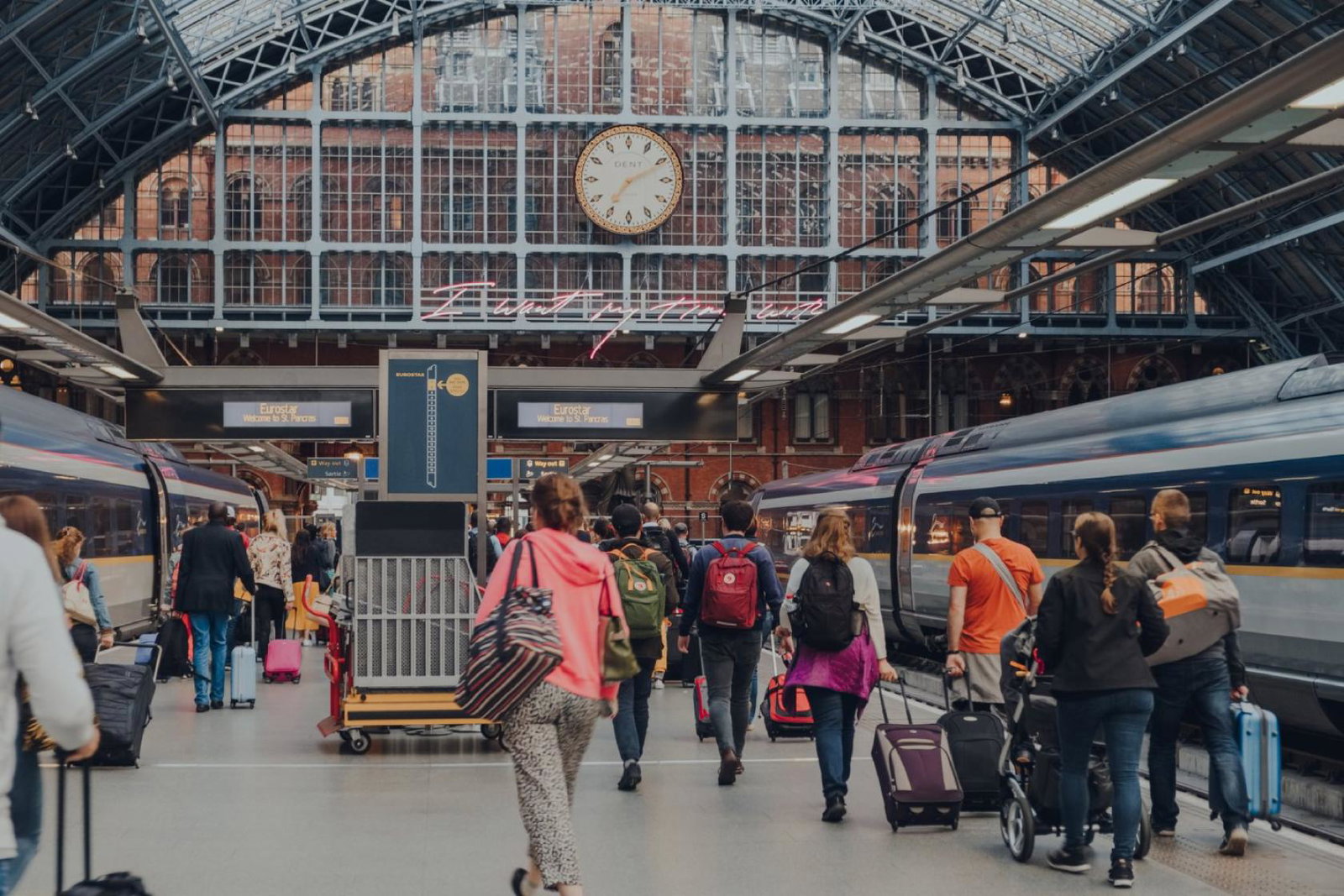
Simon Lejeune, Eurostar chief safety and stations and security officer, told the committee Eurostar had spent £10 million preparing London St Pancras International station for EES.
An initial 24 EES kiosks, provided by France, have been joined by another 25 purchased by Eurostar. “Our modelling showed us we needed more,” he said.
“We started one o’clock on Sunday. The learnings were quite positive – more than 200 passengers were processed out of St Pancras [and] more than 150 in Paris on Sunday. On Monday, we did more than 550 full biometric files out of St Pancras.”
However, these passengers were not processed at kiosks, he said, adding the kiosks would be introduced “over the next few weeks”. Processing by border officials, meanwhile, had taken around 50 seconds.
"Fifty seconds, to be transparent, is very much at optimal process where your biometrics are taken and are successful first-time round," said Lejeune. "Fingerprints can be challenging sometimes.”
'Stringent'
He added there was an agreement with France to maintain “fluidity at the border, with ability to remove biometrics at certain points when we are faced with congestion”. “There is no doubt that when we do have challenges that we will make the right calls and mitigate any congestion.”
The committee heard reports from Estonia were that kiosks were not operating and manual registration was taking “up to four minutes" per passenger, with significant queues.
The Independent’s travel correspondent Simon Calder told the committee his EES registration at Prague airport had taken just under two-and-a-half minutes.
Calder said there was an issue with EES kiosks asking for different information in different countries, with France “being the most stringent” requiring details of travellers' financial means, return ticket, accommodation and travel insurance.
Calder added the EES kiosk in Prague had additionally asked whether he was visiting a spa during his stay. He noted “quite significant queues building up” during his Sunday afternoon visit to the airport.
Earlier in the committee hearing, cyber policy expert Niovi Vavoula from the University of Luxembourg told members she foresaw issues with the EU's proposed visa waiver scheme, Etias, if data from EES isn't strong enough owing to the staggered rollout.