Mexico last week, the Middle East this week – who said working in the travel industry was easy?
The latest crisis, and this really is a crisis, will cost airlines and operators a fortune in time and money as they struggle to get passengers home or to their final destination – including those those unfortunate enough to be transiting through Dubai, Abu Dhabi or Doha at the wrong moment.
Dubai is now the busiest international passenger airport in the world, and the UK has already identified more than 100,000 citizens in the region looking for help.

The normal alternatives such as evacuation by sea do not exist in this case, either for air passengers or for those cruise passengers trapped on the six cruise ships in port at the point the war broke out.
It seems any evacuation can only be by road to Muscat in Oman or through Saudi Arabia, both of which pose their own risk.
Oman’s Muscat airport remained open as the Iranians trusted them to act as negotiators with the Americans in the lead up to the US attack, but the chance of Iran agreeing to more talks in the immediate future seems slim to non-existent. Even President Trump now admits this war is going to last a lot longer than he thought.
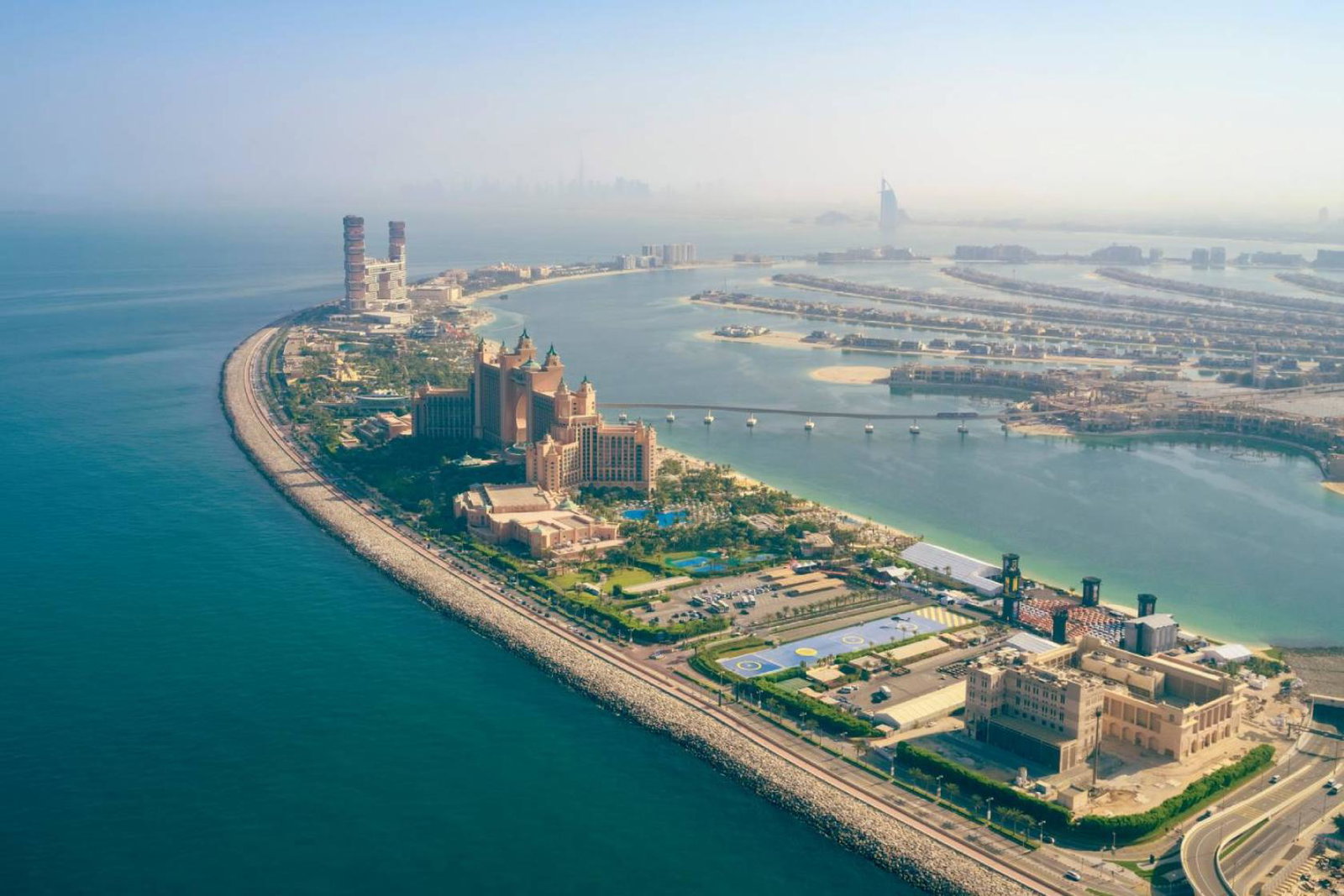
Destinations like Dubai have thrived on the perception of safety, a perception now clearly threatened by pictures of the airport and hotels on fire. In future, will those who used these destinations as connection points simply take the view they would rather pay a little more and get a non-stop flight to their destination?
Certainly, many corporate flyers will be told to avoid the risk completely. And in the short term, so may some ordinary travellers who do not want to spend their limited holiday time stuck in an airport or hotel en route.
It won’t just be those trapped in the Middle East who will be affected by this crisis, let's not forget. Oil prices spiked up to $82 a barrel for Brent crude on Monday morning, and the price of oil affects everyone – airlines, shipping companies and the delivery vans that bring food to the shops daily.
All of us will see a rise in the price at the petrol forecourt. One oil tanker has already been hit, and Saudi Arabia closed one of its refineries after a drone attack. If this means a rise in inflation, then further cuts in interest rates will surely be put on hold.
Those airlines that simply overfly the area are having to re-route over Turkiye, Egypt or Saudi Arabia, adding 45 minutes to an hour on flights to the Far East. Extra flying means extra costs and although it will initially be the airlines losing profit, sooner rather than later, fares will have to increase.
Shares in British Airways owner IAG fell faster than any other listed on the London Stock Exchange on Monday (3 March).
We are far too close to the Easter holidays for this to continue for long without it affecting demand for last-minute holidays. Fear has spread to Cyprus after a UK air base, one of two on the island, was hit by an Iranian strike. BA, followed by other airlines, quickly determined they did not want to risk flying there.
So far, the Egyptian resorts are safe, but for how long? Turkish resorts are yet to fully wake from their winter slumber, and are probably too far away to be concerned.
Luckily, most tourists appear to have relatively short memories, but the press coverage risks a short-term drop in demand for all travel.
Hopefully, there will be no long-term damage, unless there is a successful attack on one of the major hotels in Dubai that wakes up the public and sees a call for mass cancellations.
Let's hope common sense prevails before we reach that point, but with Trump in control, that isn’t a guarantee.
Alan Bowen is legal advisor to the Association of Atol Companies.