Emirates began operating a limited number of flights on Monday evening (2 March), prioritising customers with earlier bookings. All other flights remain suspended, with city check‑in points across Dubai still temporarily closed.
And despite limited operations resuming at Abu Dhabi's Zayed International airport, Etihad flights will remain suspended until at least 2pm UAE time on Wednesday (4 March).
Qatar Airways is in a similar situation with the closure of Qatari airspace continuing to restrict its flight programme. It will provide a further update by 9am Doha time on Wednesday.

Several European airlines, including British Airways and Virgin Atlantic, are yet to change their stance on travel to the Middle East. Both carriers have cancelled a swathe of flights and continue to "closely monitor" the situation.
Meanwhile, Wizz Air, which has suspended its Middle East routes, has confirmed it will increase capacity from several of its main European bases to Sharm el Sheikh in Egypt starting Friday (6 March) to support passengers travelling to and from Israel. This capacity replaces its Tel Aviv flying programme.
The airline is increasing frequencies from Luton, Rome Fiumicino, Budapest, Milan Malpensa and Sofia airports. Its flights to and from Israel, Dubai, Abu Dhabi, Amman and Saudi Arabia will remain suspended up to and including 7 March.
The ever-changing picture comes as the Foreign Office extends its travel advisories further throughout the region. It has upgraded its advice for Jordan to advise against all but essential travel to the country, which borders Israel.
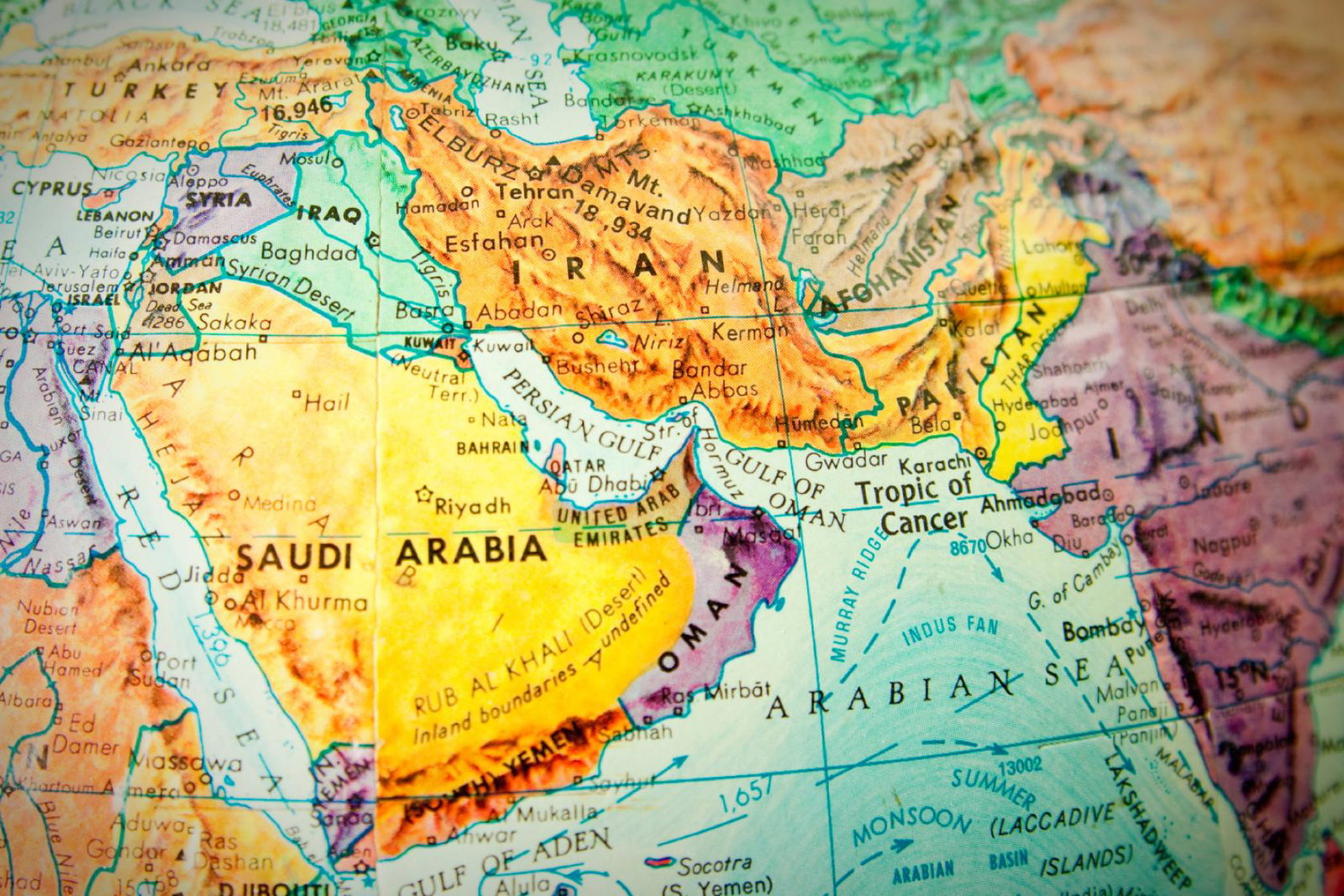
Jordan joins the United Arab Emirates, Qatar, Israel, Bahrain, Kuwait and Palestine on the FCDO's do-not-travel list owing to the ongoing tensions and conflict in the wider Middle East region.
British nationals in the UAE, Qatar, Bahrain, and Kuwait have been told to shelter in place, avoid travel and follow any instructions from local authorities. Anyone in the region is also being urged to register with the Foreign Office as the UK government makes contingency plans for a mass evacuation, should the war continue.
Trade 'working around the clock'
The Scottish Passenger Agents' Association (SPAA) said its agent members had been working hard to support customers affected by the travel "gridlock", with agents liaising directly with airlines and tour operators, managing rebookings, securing refunds and providing "calm, practical guidance".
SPAA president Alan Glen likened the disruption to the 2010 Iceland ash cloud and said both crises underlined the importance of having an agent "advocate" when travelling.
"Behind every disrupted or cancelled flight there are real people, whether that's families anxious to get home, business travellers trying to meet commitments, holidaymakers who have saved all year for their trip and those who have landed at a destination purely as a transit point and are now stranded," said Glen. "Situations like this underline the reassurance of having a professional travel agent in your corner that can provide real human support when it matters most."
Julia Lo Bue-Said, chief executive of Advantage Travel Partnership, also commended those agents who have been working "around the clock" to support customers. "They will have a very busy week ahead as this remains a fast-moving situation and official advice may change quickly," she said.
"Travellers should continue to monitor Foreign Office updates and if they have booked through a travel agent or tour operator, contact them directly for up-to-date advice and support."
A Hays Travel spokesperson said: "We are supporting our customers affected by the ongoing situation in the Middle East and working with our tour operator partners. We continue to monitor the situation closely and follow FCDO guidance."