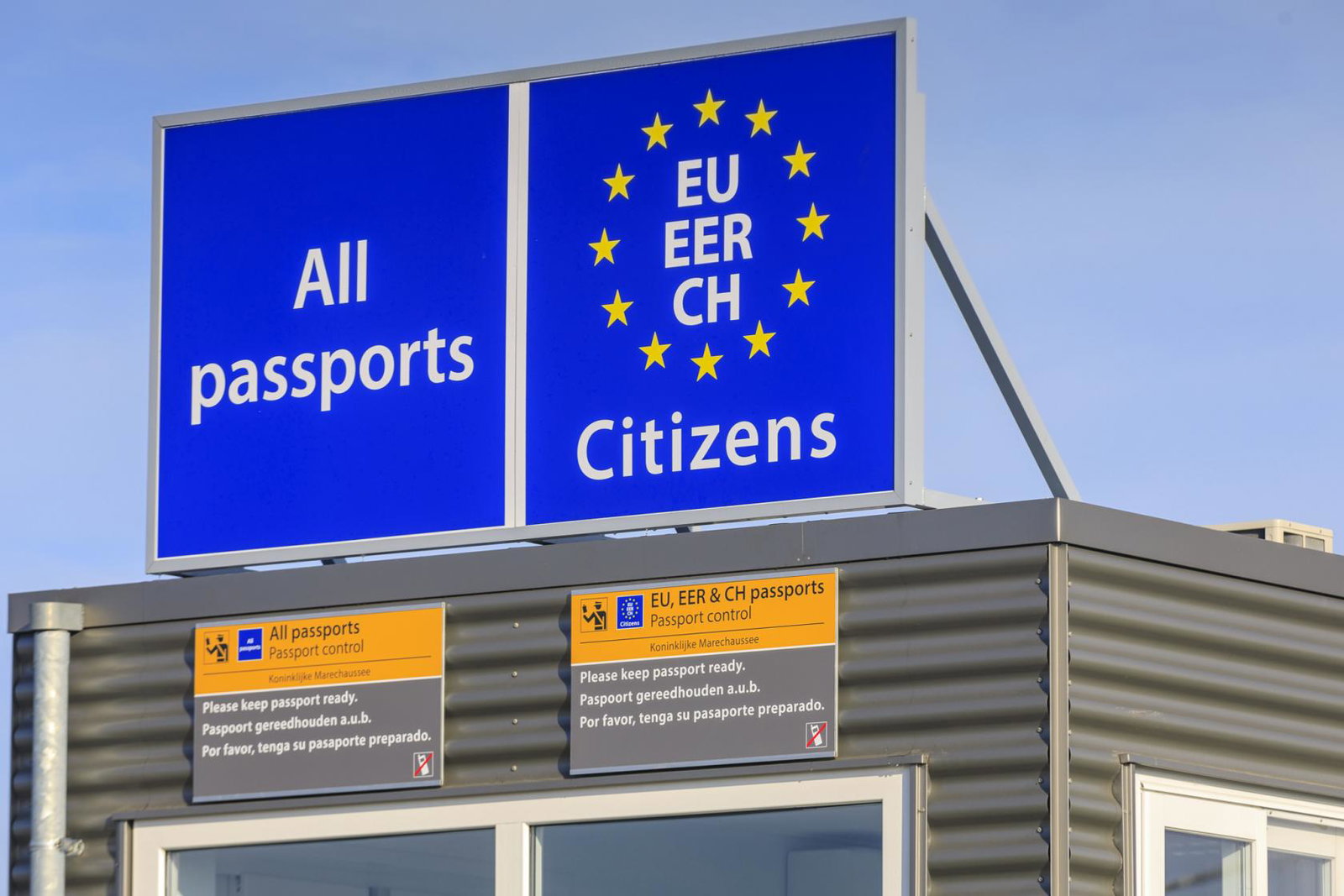
The EU Entry-Exit System (EES) will go live on Sunday 12 October and will be phased in over a six-month period through to mid-April 2026.
EES will require non-EU travellers to register their fingerprints and submit to a biometric facial scan the first time they travel to an EU destination after the launch.
These details will then be kept on file for three years, linked to people's passports. The system will eventually replace manual passport stamping.

While Abta's data shows awareness of EES has grown from 44% last year to 51%, and rising to 61% among those people who have been on holiday over the 12 months, the association has warned the industry still faces a "communications challenge" ahead of the launch.
Abta will host a conference call for members featuring representatives from the government's Cabinet Office next Tuesday (9 September) from 11am to midday to go over the changes and all the latest information.
“We are very supportive of the EU adopting a phased introduction of the new scheme," said Abta chief executive Mark Tanzer.
"Launching a new digital border system in 29 countries is no mean feat, and doing it over a six-month period should allow the system to bed in while minimising impact on travellers.
"It also takes the pressure off peak travel periods, such as October half-term and Christmas.
"But it does present a communications challenge for the industry – it’s hard to prepare passengers for a system they may or may not experience particularly as, due to security reasons, we’re unlikely to know which borders go live from day one.
"We’re helping our members prepare their customers by providing them with information they can use to explain the phased introduction."
Abta is stressing the phasing could mean that some travellers experience only limited changes, or none at all, compared with previous trips to Europe when the system takes effect on 12 October.
By the same token, countries or borders that are ready to roll EES out in full can do so ahead of the 10 April deadline next year to have system fully operational if they wish, with flexibility to scale things back or suspend EES altogether if there are issues or bottlenecks.
Tanzer added: "We’re also working closely with the UK government, and are liaising with the EU, to make sure our members have all of the information they need to be able to prepare for the changes and support their customers."