The operator has signed its first hotel management agreement in the country, which will bring Tui's Suneo brand to Japan and the Japanese market for the first time.
The newly built Tui Suneo Otaru will open in 2029, situated in northern port city of Otaru – around a 35 connection by train from Sapporo. It will be Tui's eastern-most hotel to date as it continues its expansion into Asia.
Otaru and its port also serves as a gateway to Tui joint venture partner Hapag-Lloyd Cruises' expedition journeys.

Tui hailed the move "a landmark move for its global growth". "Tui Hotels and Resorts' entry into Japan underscores our long-term commitment to expanding holiday experiences in new destinations and engaging new customers, particularly across Asia,” said Tui Group chief executive Sebastian Ebel.
"With increasing demand for travel to Japan among our tour operator and cruise guests, expanding into the hotel sector represents a natural evolution of Tui’s presence in the region."
Peter Krueger, chief executive of Tui's holiday experiences division and a member of the group's executive board, added: "This signing marks just the beginning; we are actively exploring further opportunities to expand our footprint in Japan through additional locations and the launch of more Tui hotel brands.”
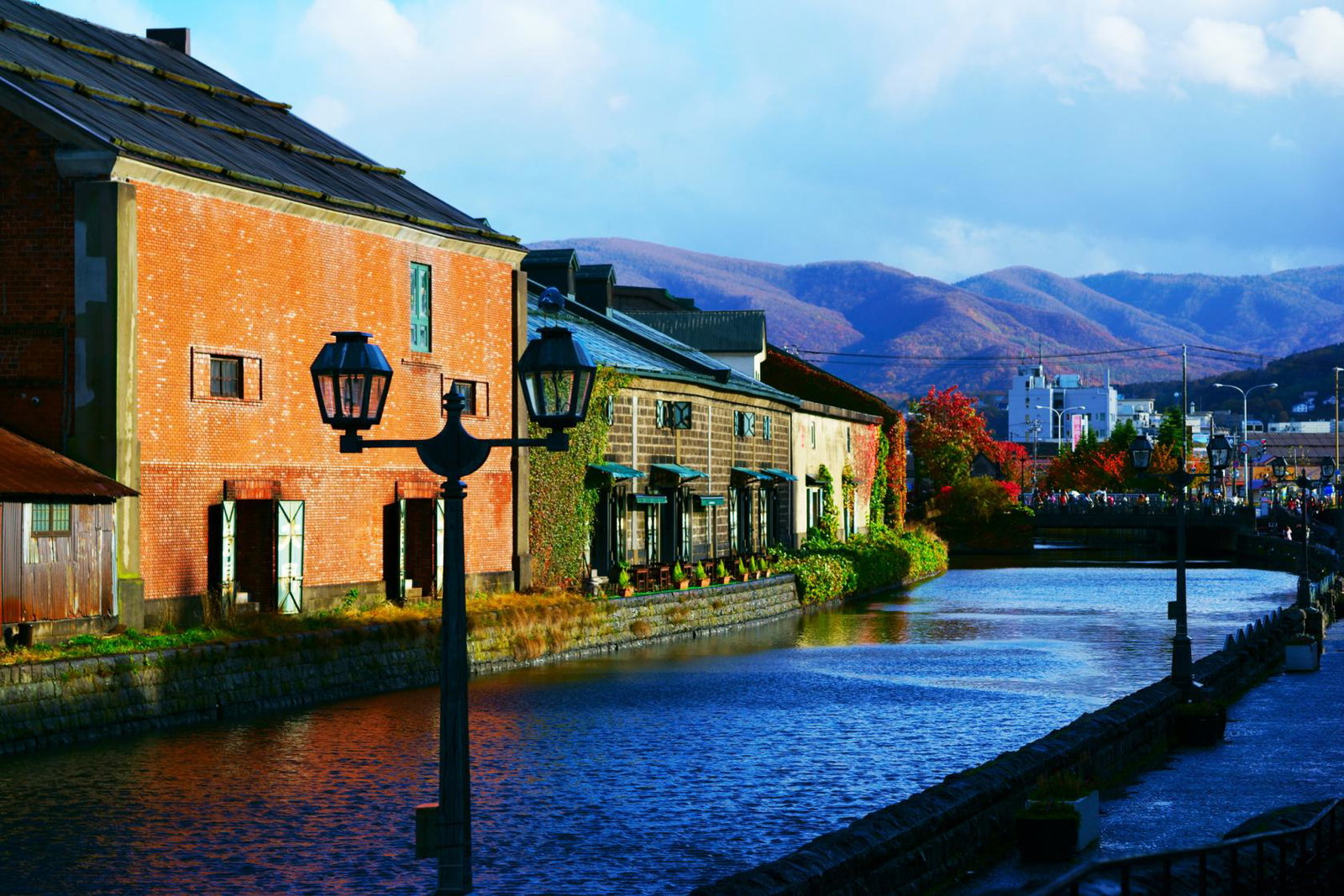
Tui Suneo Otaru will be situated within walking distance of the city's major landmarks, including its steam clock tower, the Sakaimachi shopping district known for its handcrafted glassworks and local sweets, and the Otaru canal, which is lit up nightly by traditional oil lamps.
Tui said the destination "combines cultural heritage with year-round appeal".
The hotel will feature 50 rooms, a lobby lounge, restaurant, bar and gym, with plans already laid to expand it with additional rooms and public spaces.
Tui now has 25 hotels across eight Asian countries, and plans to double that number through 2027 with further new openings this year in Vietnam and China.
It recently announced its second own-brand hotel in Cambodia, which will be situated near the Angkor Wat.