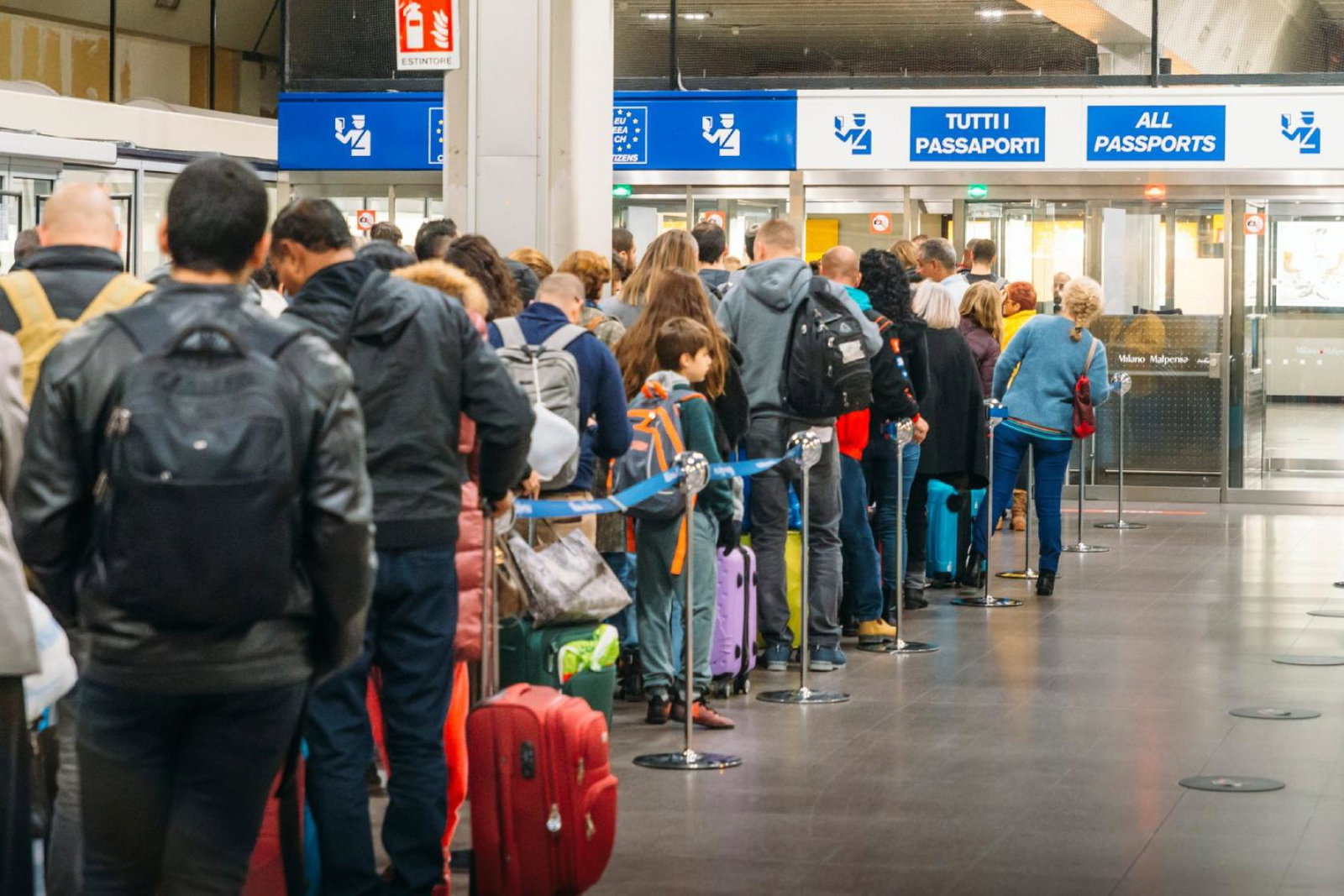
The system, which will replace passport stamping, took effect on Sunday (12 October) and will require travellers to the union to register biometrics – fingerprints and a facial scan – the first time they cross an external EU border.
These details will remain on file for a rolling three-year period, or until the passport expires.
Some 61% of respondents to Abta's latest Holiday Habits survey, carried out in the summer, who are due to travel in the next 12 months told the association they were aware of EES taking effect.
Abta described the findings as encouraging, especially as the launch of EES will be phased over a six-month period.

However, the association has called for "a continued and concerted" industry-wide effort to continue building awareness of the changes.
“Looking at the short term, given the scale of the operation, there may be some delays, particularly at peak travel times," said Abta chief executive Mark Tanzer.
"But countries will be stepping up their processes gradually and have the option to stand down the system to avoid significant and lengthy waiting times. We ask that countries remain vigilant and use this contingency measure where needed."
Tanzer said longer-term, EES would widen opportunities for UK travellers to use eGates overseas, while an EES app allowing travellers to pre-register some details may speed things up in future.
"Increasing access to eGates and using the EES app will make passport control checks quicker, helping both travellers and border authorities," Tanzer added.
The majority of EES checks will be carried out upon arrival at an EU airport. However, EES checks at juxtaposed ports – St Pancras station for Eurostar, Folkestone for Eurotunnel and Dover for ferries – will take place in the UK.
It is understood ex-UK cruise passengers whose cruise ends at an EU port will complete EES checks then. Fly-cruise passengers will be checked when they arrive at their chosen EU airport, while anyone sailing round-trip from the UK won't be subject to EES.
'Significant change'
Minister for border security and asylum, Alex Norris, said: “We recognise EES checks will be a significant change for British travellers, which is why we have worked closely with our European partners to ensure the rollout goes as smoothly as possible.
"The UK and EU have a shared objective of securing our borders and these modernisation measures will help us protect our citizens and prevent illegal migration.”
The Home Office said that while checks should only take one to two minutes per person, "they may lead to longer wait times at border control upon arrival in the Schengen area".