The ripple effects of the Middle East crisis are reshaping booking patterns for summer 2026, with UK travel agents navigating a double displacement of demand – first from east to west, and then from western Mediterranean hotspots into lesser-known or visited alternatives.
Although the human impact of the conflict remains front of mind, and incalculable, the commercial reality is clear as constrained air capacity and consumer hesitancy funnel demand into a narrower pool of destinations.

Tourism leaders have already acknowledged UK travellers' desire for "safer" destinations in the wake of the conflict, while Jet2holidays chief Steve Heapy has vowed to combat any artificial price inflation in the western Mediterranean.
Heapy's colleague Alan Cross, director of travel agent relationships at Jet2holidays, says demand remains resilient, with customers "very much looking" to book. "Confidence being temporarily impacted in some destinations has resulted in strong demand across many others,” he tells TTG.
So how can travel agents navigate the shifting sands of demand? TTG speaks to operators, tourism authorities and industry figures to chart a course.
Caribbean and Costa Rica 'standout' choices
Operators report a sharp drop-off in Middle East bookings, alongside wider hesitation around itineraries that rely on Gulf transit hubs.
Andrea Godfrey, head of Regent Holidays, says the impact is extending well beyond the region itself, with nervousness creeping into neighbouring regions such as the Caucasus and Central Asia.
However, long-haul demand is being redirected rather than cancelled; Joanna Reeve, UK director at Intrepid Travel, notes strong growth in destinations that bypass Middle Eastern connections altogether. "We're seeing spikes for Europe, Morocco, South and Central America, and southern Africa," she says.
Costa Rica has emerged as a standout option for Intrepid, with bookings up by 128% in March, while Peru is up by 63% year-on-year – evidence, Reeve insists, that appetite for long-haul remains intact despite ongoing disruption.
Luke Harvey, head of marketing at USAirtours, says this "risk-aware" shift is also benefiting North America and the Caribbean. "Some Caribbean islands have experienced increases of up to 900% year-on-year as clients look for reliable, fly-and-flop destinations where they can switch off with confidence," he explains.
Multi-centre itineraries could solve Med demand
Closer to home, the western Mediterranean is absorbing the bulk of displaced demand, but capacity constraints are beginning to show.
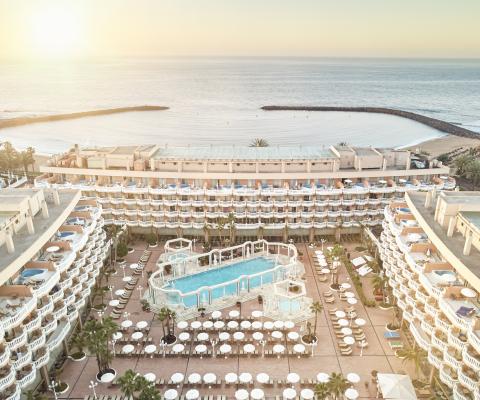
Manuel Butler Halter, director of the Spanish Tourist Office in London, says bookings to mainland Spain and the Canary Islands have surged in recent weeks, particularly from the UK.
He warns the situation could intensify "if the conflict persists" – a concern echoed by Reeve, who points to a squeeze on both availability and pricing. "Demand is likely to be high for western Europe over the summer, and airfares will be affected by lack of capacity and high oil prices," she says.
With hotspots such as Spain, Italy and Greece under pressure, creative alternatives such as multi-centre itineraries, secondary islands and inland regions are coming to the fore.
Eleni Skarveli, UK director at the Greek National Tourism Office, believes the answer to fulfilling peak-season demand is better dispersal of tourists.
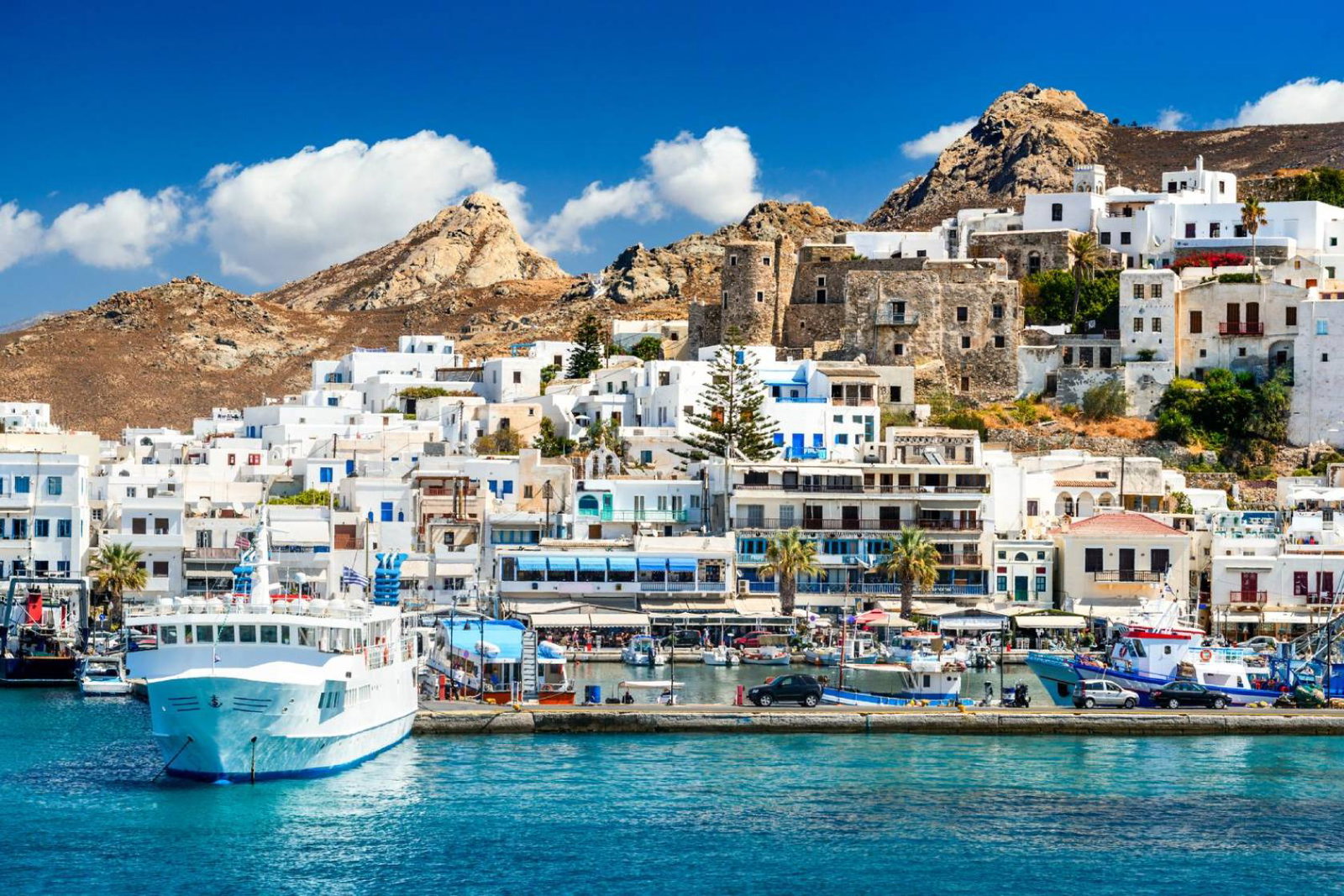
"We actively promote smart destination combinations," she says, suggesting island pairings such as Tinos or Syros with a short stay in Mykonos, or Naxos and Paros alongside the ever-popular Santorini. Mainland regions such as Epirus and Pelion are also gaining traction as cooler, less crowded alternatives.
Crucially, these suggestions are not being positioned as second-best. "It is important for agents to highlight their unique advantages such as authenticity, space and local experiences," Skarveli adds.
Spain is taking a similar approach. While traditional coastal hotspots continue to dominate bookings, Butler Halter points to growing opportunities in northern and inland regions, from Navarra to Aragon and Castile.
"These areas offer culture, rural tourism, gastronomy and a different pace," he says. "Clients can still discover Spain in a different, non-hectic way."
Tell clients: 'different does not mean inferior'
For agents, the challenge is two-fold – securing availability in high-demand destinations while convincing clients to consider unfamiliar alternatives. Expectation management will be key, particularly where travellers arrive with fixed ideas of what their holiday should look like.
"Because of social media, clients often come with very specific expectations influenced by iconic imagery," says Skarveli. "The message is that 'different' does not mean 'inferior'."
Encouragingly, operators say travellers are "more adaptable" than they once were. "We’ve been encouraged by the resilience of our customers," says Reeve. "They really want to travel and are open to ideas, particularly post-Covid."
Reeve highlights Romania as an alternative to Italy, offering scenic landscapes, cultural depth and on-trend experiences such as walking trips in the Carpathian Mountains.
Albania, meanwhile, continues to gain traction as a lower-profile substitute for Greece or Turkey, with similar coastlines and cuisine.
Harvey also points to growing interest in Hawaii and the US West Coast, driven in part by "increasingly competitive flight prices", alongside an 80% rise in cruise bookings across Caribbean, Alaskan and Pacific Coast itineraries.
However, he warns clients will need to prepare for disappointment. "Demand is already high, so availability and pricing can become more challenging, particularly for peak travel periods," he says.
Cross believes this is where agents can add the most value. "As is always the case, independent travel agents can use times such as these to position themselves as experts that customers can rely on for the best advice," he says.
Cyprus and Turkey far from off-limits
Agents, meanwhile, have raised concerns the disconnect between headlines and reality on the ground might negatively impact countries near the affected regions, particularly Greece and Turkey, both of which are open for business and ready to welcome tourists.
Marietta Maidman, a Not Just Travel agent based in Cyprus, described conditions as "very much business as usual", noting that recent security incidents – including the suspected drone strike on an RAF base – had not affected tourism infrastructure or day-to-day life.
"One of the challenges we often face in the travel industry is the gap between perception and reality," she explains. "Cyprus is frequently grouped into Middle East headlines, but in reality, it is a stable Mediterranean destination with a long-established tourism sector."
Co-operative Travel Consortium agent Janette Healey, who is also based in Cyprus, echoed Maidman's sentiments, criticising "scaremongering media" for triggering consumer hesitation.
"I walked the dog on the beach, the kids are playing outside the local school, and there was a flower festival last weekend in the village," she tells TTG in a recent interview. "The only thing people in Cyprus are worried about is, 'what will this summer look like for tourism?'"
Meanwhile, the Turkish Tourism Promotion and Development Agency (TGA) claims UK arrivals to Turkey increased by 16% year-on-year in March, with numbers up by nearly two-thirds (64%) in the final week of the month, seemingly pointing towards there being little hesitation about visiting.
The authority says popular destinations for British visitors, including Istanbul, Antalya, Bodrum, Dalaman and Izmir, are operating as normal and, more importantly, are situated "many hundreds of miles" from areas of conflict. On the Beach claims it saw a 160% uptick in last-minute bookings for Easter.
"UK visitors are very much continuing to enjoy and look forward to their holidays on Turkey's Mediterranean and Aegean coastlines," the TGA insists, adding it is "gearing up" for the summer season after last month urging agents to continue promoting the destination.
General secretary Sinan Seha Turkseven adds: "British travellers have made their verdict clear. Our border entries from the UK, and other European markets, are showing double-digit growth year-on-year over the past few weeks. British holidaymakers clearly know Turkey's holiday destinations are open, welcoming, and as spectacular as ever."
Which destinations are you turning to this summer? Are you seeing demand move from east to west? And do you believe there will be a swift resumption of tourism to the Middle East? Let us know in the comments below.