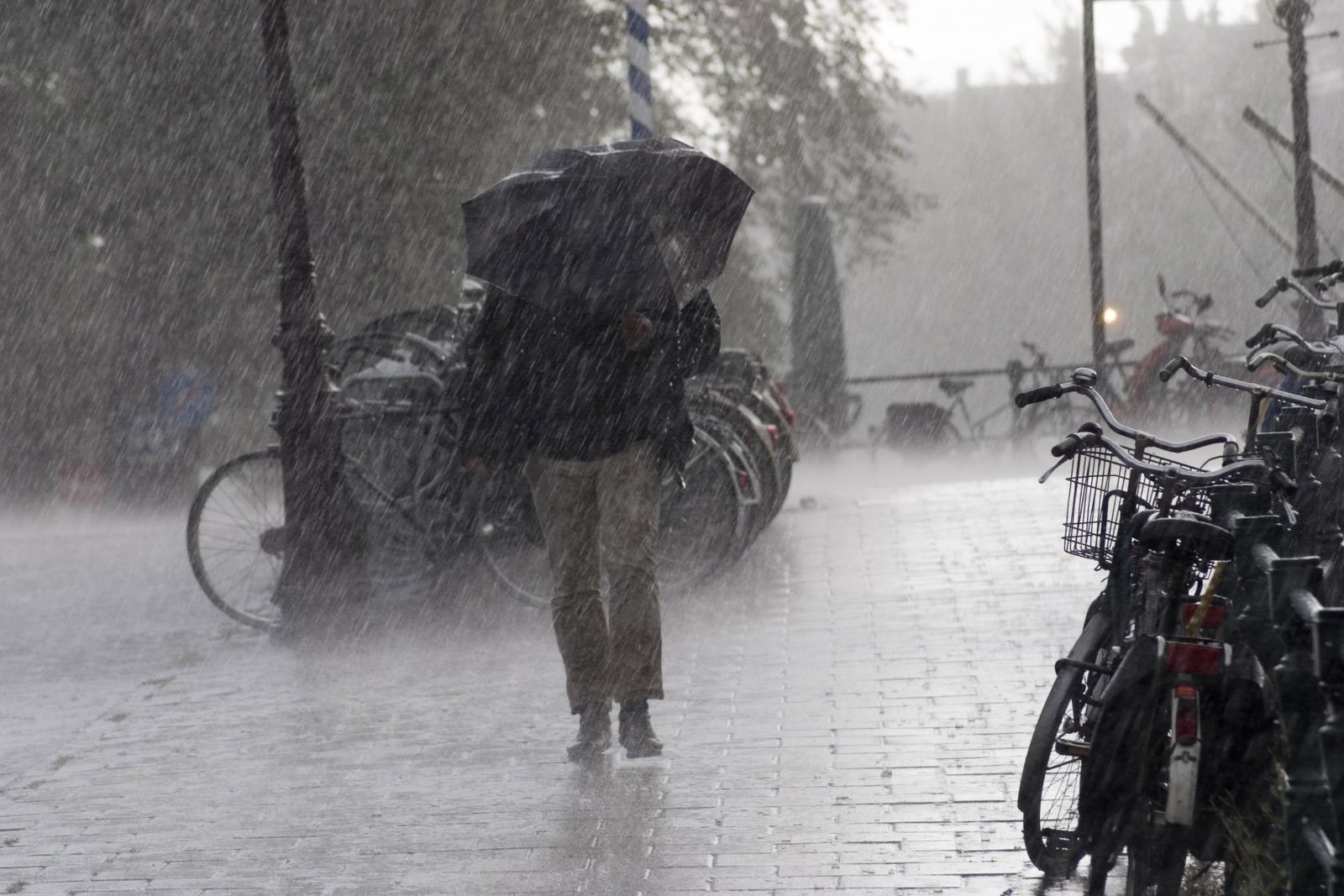
Speaking from “a rainy Hanover” where the group’s HQ is situated in Germany, chief executive Sebastian Ebel once again dismissed concerns price rises would be passed on to customers, revealing how the group was 85% hedged for the summer and around 60% for the winter.
Before the first-half year earnings call, Tui Group revealed it had officially suspended its revenue growth forecast for 2026 after the Iran war had wiped €40 million from second-quarter earnings.
It managed to narrow quarterly losses, with underlying earnings before interest and tax (ebit) improving 8.9% year on year to €188 million for the January-to-March period.
'Good year for Greece'?
Ebel confirmed that although demand has shifted away from the eastern Mediterranean there was still capacity available in Spain, the Balearics, Canary Islands.
But he added: “We think it will be a good year for Greece. There’s also a lot of capacity in Turkey. I would assume that this will normalise in time. We have made capacity adjustments to countries like Cyprus.”
Bookings for Egypt were 50% up before the Iran war began but they have now “normalised”, Ebel noted.
The group has reduced its risk capacity by 4% during the ongoing Iran war, making adjustments to countries such as Cyprus.
Around 45% of consumers are yet to book a summer holiday, with 60% holding off specifically because of the Iran conflict, according Tui Group’s latest market research. Ebel noted how late bookings in recent weeks had help the group remain level with May 2025 year on year.
He said: “People are hesitating longer term. In the short term, bookings are extremely strong. This year is not the best but there are still a lot of opportunities.
“If you want to go to the western Mediterranean, you should be prepared to pay higher prices, but in the eastern Mediterranean you will see great prices and very good offers.”
Ebel added: “The interesting question is how [the market] will go into the summer. The market intelligence suggests it will normalise.”
Middle East market 'dead'
However, Ebel declared the Middle East market “dead”, adding: “Hardly anyone goes on vacation to the Middle East right now. It’s still difficult to bring people to the Maldives and Thailand. This is the situation.”
But he added: “I’ve always said that business will recover by the end of the year.”
Tui Group has “no plans to bring price increases to customers”. “We think the conversation around fuel shortages is a bit artificial,” said Ebel. “We see no fuel shortages in the next couple of weeks or the summer. Remember Europe increasingly gets fuel from other countries in Africa like Nigeria. We’re luckily well hedged.
“There’s definitely enough fuel. It’s more a question of price.”
Ebel began the call by noting the gloomy weather outside which he later said was “good” for business. He explained: “We do need the rain in Europe because it is good for agriculture and for business. A rainy, cold summer is always good for business.”
Ebel said he was “a big fan of travel agents” given how retailers offered the group’s customers “a lot of value”.
“Customers go into agencies early and the retailers in Germany are able to upsell products. Retail is very stable,” he added.
“We do not see an uplift there but we do not see a decline. In Germany, we’re currently rolling out AI tools to retailers.”