Peru’s tourism industry has been given a boost by the opening of Lima’s new US$2 billion Jorge Chavez International Airport this year. The expanded airport now has capacity for 40 million passengers per year compared with 23 million previously.
This will be one of several talking points for PromPeru at WTM London (stand S5-220).

Ricardo Baraybar, deputy director of incoming tourism for PromPeru, said: “There certainly has been increased interest [in Peru] following the release of the third movie in the Paddington Bear franchise, and we anticipate even more interest when Paddington the Musical takes to the West End stage in London this November.”
He continued: “Peru is one of the key habitats of the Andean or spectacled bear species, especially in the Andean cloud forests, and there are a number of protected areas like the Manu Reserved Zone and the Chaparri Reserve, which have become some of the best places for visitors to see them.”
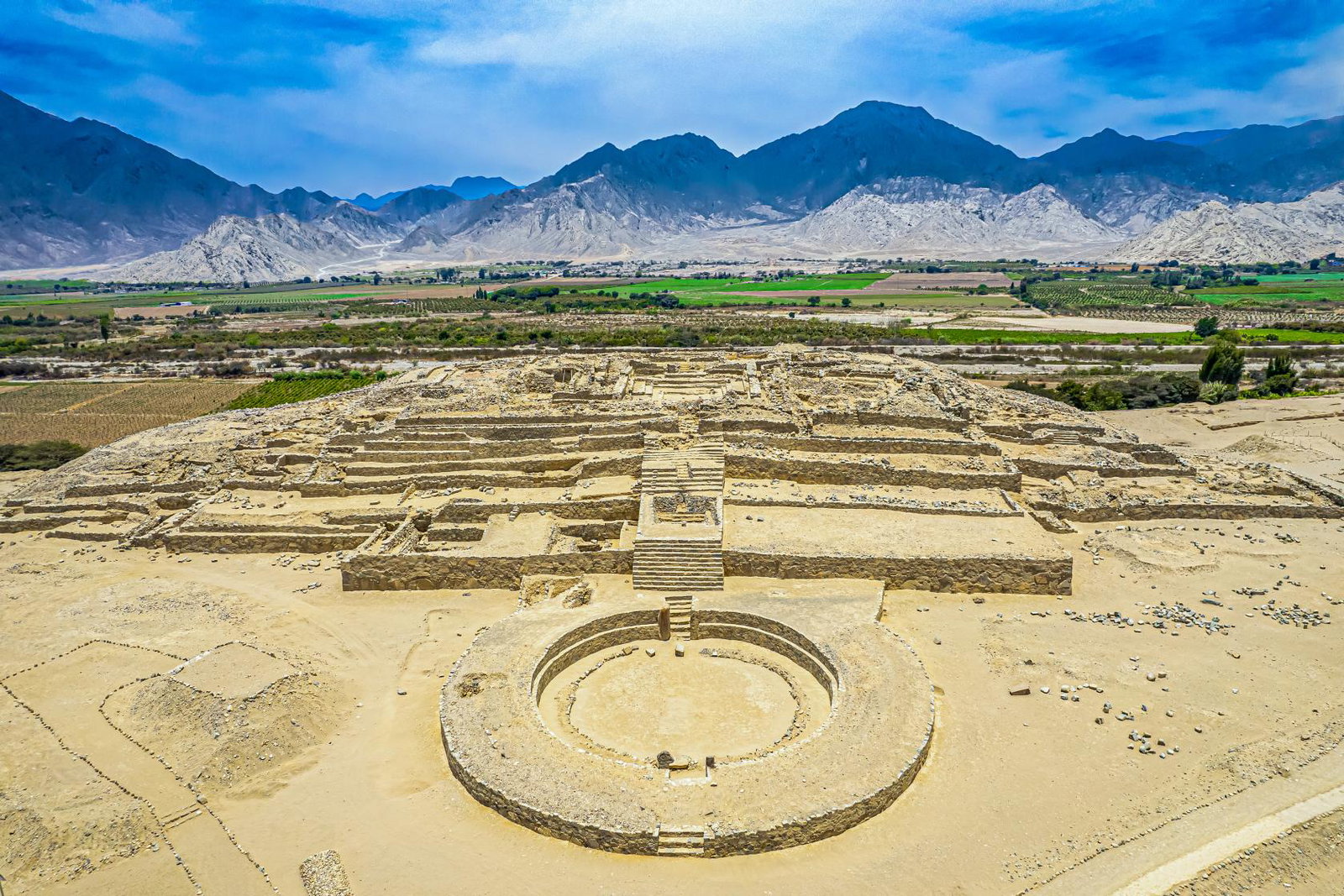
Further discussion points include the recent excavation of Peñico, known as the “City of Social Integration,” which has been incorporated into the Caral Archaeological Zone, joining a group of remarkable archaeological sites that predate Machu Picchu by thousands of years.
Dating from around 1800–1500 B.C., Peñico forms part of the Caral-Supe civilization, considered the oldest in the Americas and offering a deeper glimpse into Peru’s ancient origins.
Meanwhile, a multicoloured three-dimensional wall that could date back 4,000 years has recently been discovered in the Huaca Yolanda excavation site in the Tanguche valley in Peru’s La Libertad region.
Arequipa, which became a Unesco City of Gastronomy in 2019, has seen an influx of visitors due to its culinary offering and flurry of new high-design hotels, including the exquisite Palacio Guaqui.
Another noteworthy new property is the Melia Collection Lima, just steps from the Plaza de Armas, Lima Cathedral, and the Government Palace. The opening will take place in two phases, the first in July 2026 with 61 rooms and the second in July 2027, bringing the total to 107 rooms.
Baraybar said: “The Meliá Collection Lima will offer guests an authentic luxury experience deeply rooted in the city's history and identity.”
Visitation to the coast is also increasing with the likes of Grau Tropical Sea National Reserve, designated in 2024, off the coasts of Piura and Tumbes housing 70% of Peru's marine species (including hammerhead sharks and Humboldt penguins).
In the destination's 2026 marketing plan, PromPeru will continue to promote the country’s adventure and nature destinations, community-led tourism and culinary scene, with a strong focus on sustainability, Barabaybar added.
This year PromPeru took part in the first documentary produced by the Global Sustainable Tourism Council (GSTC), being the only Latin American country featured.
Set in the majestic Huascarán National Park, recognised in the 2025 Green Destinations Top 100 Stories, the upcoming film follows a local adventure guide as he travels through one of Peru’s most iconic and fragile landscapes. Along the way, he encounters park officials and community members who are working hand-in-hand to show what regenerative tourism looks like in action — where visitors don’t just witness beauty but help protect it.
Barabaybar explained why it was so important to tell a story highlighting how conservation, culture and economic resilience are deeply interconnected.
“Backed by innovative conservation efforts and community-led tourism in places like Huascarán National Park, every step in this country is a step towards meaningful travel. With award-winning and world-class cuisine, biodiversity hotspots, and a deep cultural heritage, Peru is not just a destination – it’s a story waiting to be lived.”
Visitors to PromPeru’s WTM London stand can discover samples of Peruvian food, demonstrations of coffee, Pisco and cacao making, plus traditional dance displays. There will also be an artisan from Chinchero, who will showcase the weaving techniques of Cusco with souvenir giveaways. Their craft preserves ancestral techniques of spinning, dyeing, and weaving – skills passed down through generations since Inca times, which can be experienced by visitors to Peru.