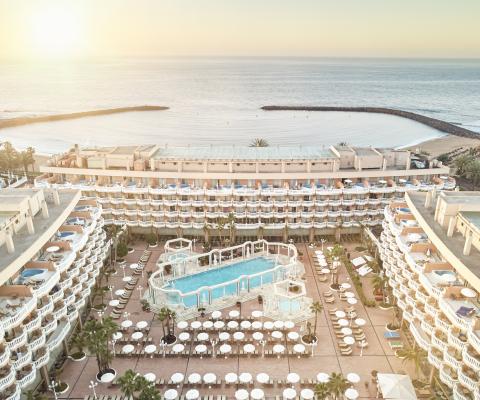
It’s been 10 years since the first Tui Blue hotel opened, Tui Blue Sarigerme Park in Türkiye. “Back then the ambition was to create a hotel concept that felt modern, flexible and genuinely built around how guests wanted to holiday,” explains Louise Bates, Tui Hotels and Resorts Director of Brands and Product.
The flagship hotel remains a top seller in the portfolio and was recently named Best Large Hotel globally at the Tui Global Hotel Awards.
“That’s a real testament to the strength and longevity of the concept,” she adds.

Since then, both guest expectations and the brand itself have evolved significantly. Today, Tui Blue has grown into a global portfolio of more than 100 hotels worldwide, mixing adults-only, family-focused and lifestyle-led properties.
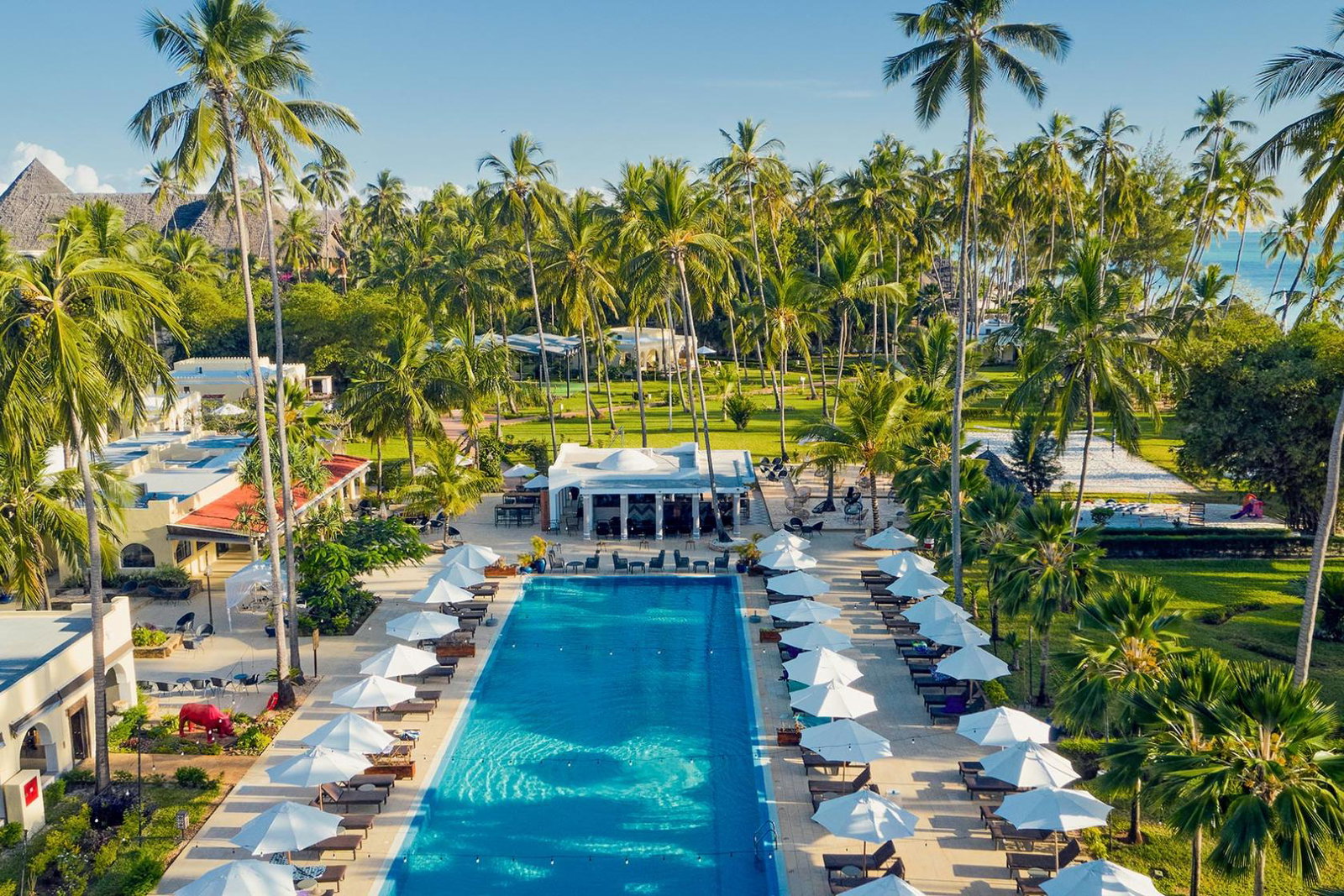
Hotels such as Tui Blue Barut Andiz best exemplify the expansion of the adults focused offering, while properties further afield, including Tui Blue Bahari Zanzibar, have successfully translated the concept beyond its European roots.
“While the footprint has expanded, our focus on quality, service and experience has remained consistent,” claims Bates.
Expansion opportunities for Tui Blue
While the Mediterranean remains a core region for Tui Blue, the brand’s growth ambitions are firmly global. Asia has become a particular focus, driven by increasing demand for leisure hotels that combine international standards with a strong sense of place.
Tui Blue hotels have already opened in destinations such as Bali, Vietnam, China and Cambodia, and there is long term potential across the region, thinks Bates.
“Asia offers opportunities both in established leisure markets and in destinations where guest expectations around experience, design and service are evolving rapidly.”
She adds: “Africa and the Americas are also areas of opportunity, particularly where Tui Blue can bring something distinctive to the local hotel landscape.
“Europe is a mature market, but we are always open to standout projects that authentically match the Tui Blue concept rather than simply adding scale.”
Changing customer expectations
There’s been a marked change in customer expectations when it comes to the experience of staying in a leisure hotel, says Bates.
Ten years ago, when Tui Blue was born, non-negotiables were largely functional: a comfortable room, decent food and, at best, basic Wi Fi.
“Today, expectations are far more personal and experience led,” she remarks.
“Guests now arrive with defined dietary needs, lifestyle preferences and clear ideas about how they want to spend their time. Hotels are no longer viewed purely as somewhere to sleep, but at the heart of the overall holiday experience shaping wellbeing, social connection and engagement with the destination.”
For Tui Blue, she says that means offering flexibility in dining, thoughtful wellness experiences and activities that suit different energy levels, all within a single hotel environment.
“The experience is increasingly individual, even within larger scale properties.”
Future prophecies
Predicting non-negotiables in the next 10 years, Bates believes personalisation will only grow in importance. Guests will increasingly expect hotels to recognise their preferences – from how they like to sleep and eat to how they choose to unwind – and adapt experiences accordingly.
She also thinks sustainability will shift firmly into the category of expectation rather than added value. Guests will want reassurance that responsible practices, such as reducing food waste and energy use, are embedded into everyday hotel operations.
From a guest perspective, Artificial Intelligence will increasingly support more personalised stays by helping manage preferences and remove everyday friction.
AI is already making a practical difference behind the scenes, she says, particularly in improving efficiency and sustainability. For example, AI is being used to analyse food waste by weighing and categorising discarded items, helping hotel teams plan more effectively while reducing waste.
“Technology will play a key role in enabling certain changes but it will support a smoother, more intuitive guest experience rather than replacing human interaction. Technology should always enhance hospitality rather than replace it. The human connection guests have with hotel teams remains central to the experience and always will.”
Independent agents 'vital'
Bates is keen to reassure independent travel advisors that they remain a vital part of the holiday booking journey, particularly for differentiated, experience led brands such as Tui Blue.
This is because advisors understand their customers’ preferences, priorities and concerns, and are able to match them with the right destination, hotel concept and experience, rather than simply responding to a headline price or online search result, she says.
“While technology can provide inspiration and options, it rarely delivers confidence, and that’s where advisors continue to add real value.”
“At Tui, our focus is on supporting with strong product insight, training and partnerships, ensuring agents feel confident articulating what makes Tui Blue different. That combination of human insight, trust and expertise is something technology alone can’t replicate, and it is why independent advisors will remain central to the booking conversation well into the future,” she concludes.