It’s fair to say I’ve had a bit of a love affair with Copenhagen.
I studied Danish in the capital city in the 1980s, and ever since, I have regularly visited to reunite with friends or enjoy breaks with family.
Most of those trips have involved seeing, or showing others, the many famous landmarks and attractions of this compact, friendly city, but venturing just outside the centre of town opens up a whole new raft of experiences.
If your clients are planning to explore the city, purchasing a Copenhagen Card is a must.
Valid from 1-5 days (and costing from £65-£155pp) the cards can be ordered online before any trip and activated on your mobile phone as an app when you want to start using them.
Use it in conjunction with the Rejseplanen app, which gives you real-time travel connections, to get free travel on Copenhagen’s buses, suburban S-Tog trains and extensive Metro network.
The Copenhagen Card also gives free entry to over 80 attractions across the region, including iconic venues such as Tivoli Gardens. It’s easily the most cost-effective way to explore the city, and after just two days of my three-day trip I’d already made a considerable saving on the prices of individual admittance and travel passes.
Armed with that knowledge, your clients can visit all the places Copenhagen is famous for, but also head for some amazing attractions (all included on the Copenhagen Card) that may not be so familiar.
Beach chic
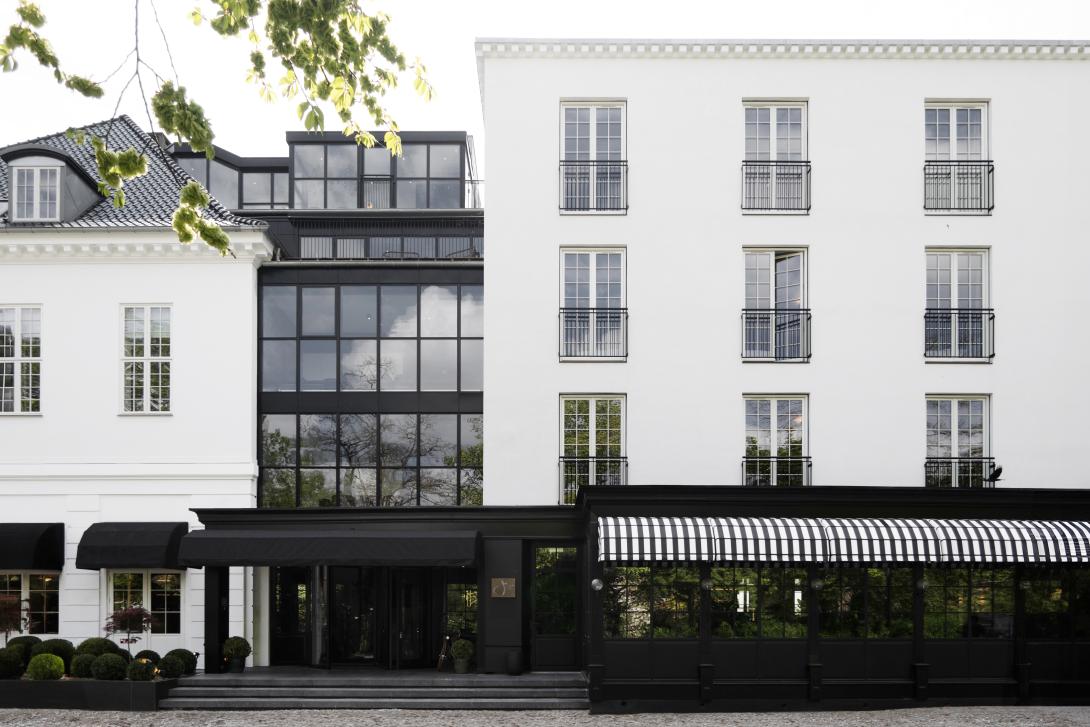
Of course, there is a plethora of hotel options in the centre of town, but just a 15-minute train ride away, in the leafy seaside suburb of Hellerup, my base was Park Lane Copenhagen.
The building, originally the town’s cinema before being used as a members’ club and local hotel, was re-opened as a five-star property in January 2025.
As the name suggests, the hotel takes its inspiration from classic London properties, with a grand, marble-clad lobby leading to the cosy wood-panelled bar area and on-site restaurant Yves at Park Lane serving modern French cuisine.
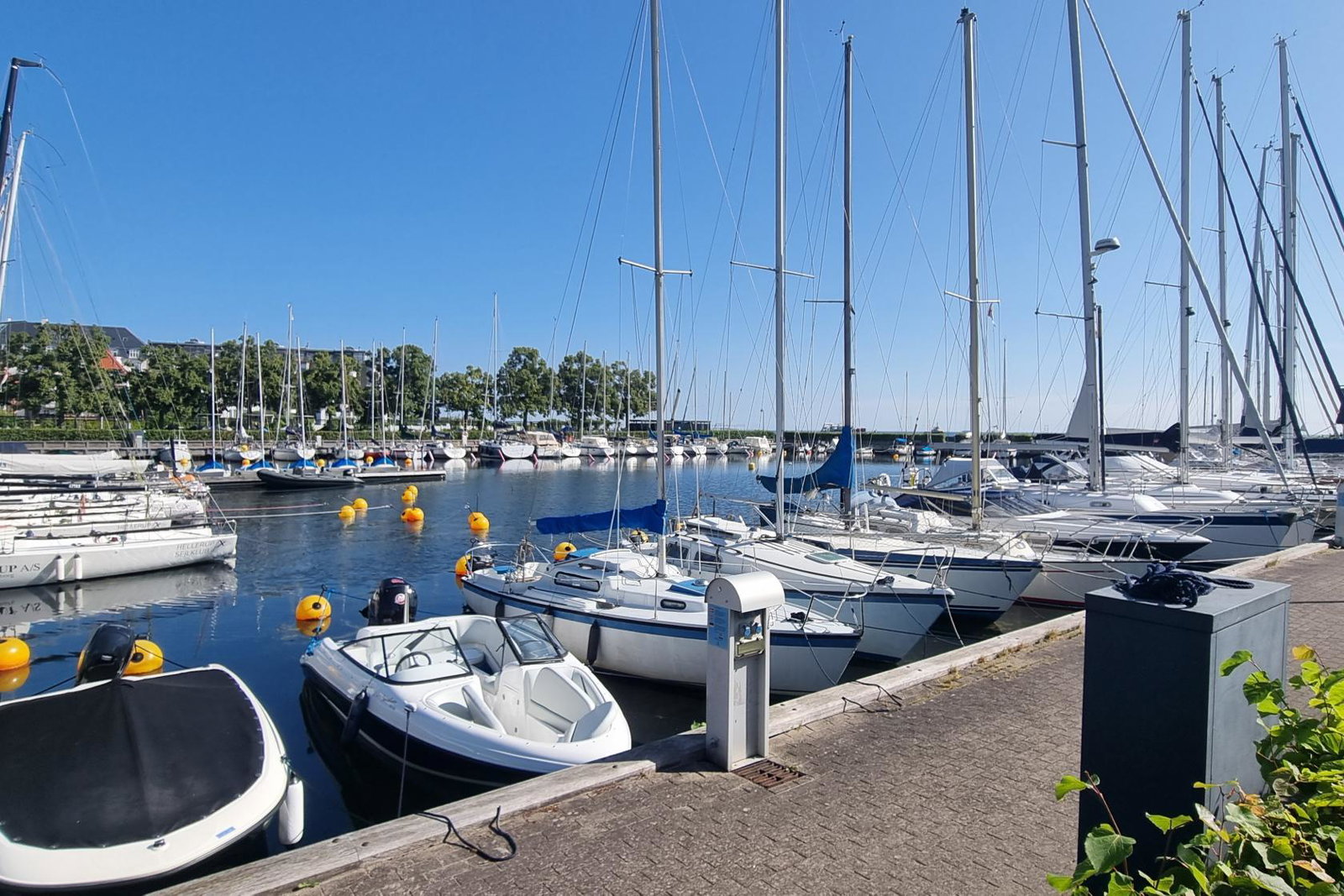
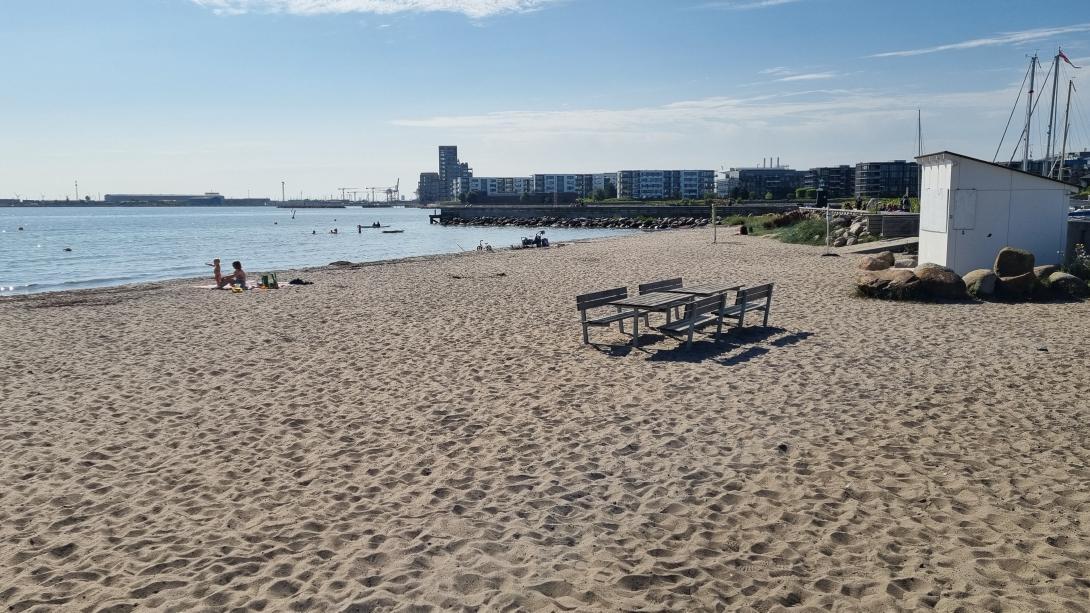
An oasis of calm in a capital city, many of the 69 rooms, suites and apartments feature views over Oregaard Park, while a 10-minute stroll takes guests to beautiful Hellerup marina, which boasts a sandy beach, swimming pier and cute cafe tucked behind an ornamental garden.
With excellent train and bus links to Copenhagen, this hotel is a tranquil alternative to a city-centre stay.
A Deluxe Courtyard room at Park Lane Copenhagen starts from £300 per night (based on two sharing) including breakfast.
Science in the suburbs
For clients with restless kids, just down the road from Park Lane Copenhagen lies the huge science space Experimentarium.
The set-up here is totally geared towards families, including free lockers where mum and dad can store all those cumbersome bags and buggies, leaving hands free to join in with some of the hundreds of science experiments, exhibitions and experiences.
It was listed among the world’s 100 greatest places by Time magazine in 2018 and it’s not hard to see why: I could have spent several days here exploring interactive attractions that enable kids – and adults – to learn about science in a fun way.
Another nice touch here is a picnic area next to the (reasonably priced) on-site cafeteria where families can enjoy pre-packed lunches and drinks if they so wish.
Copenhagen by canal
It may be less celebrated than its Amsterdam counterpart but Copenhagen has an extensive network of canals that provide a different viewpoint to some of the city’s landmarks.
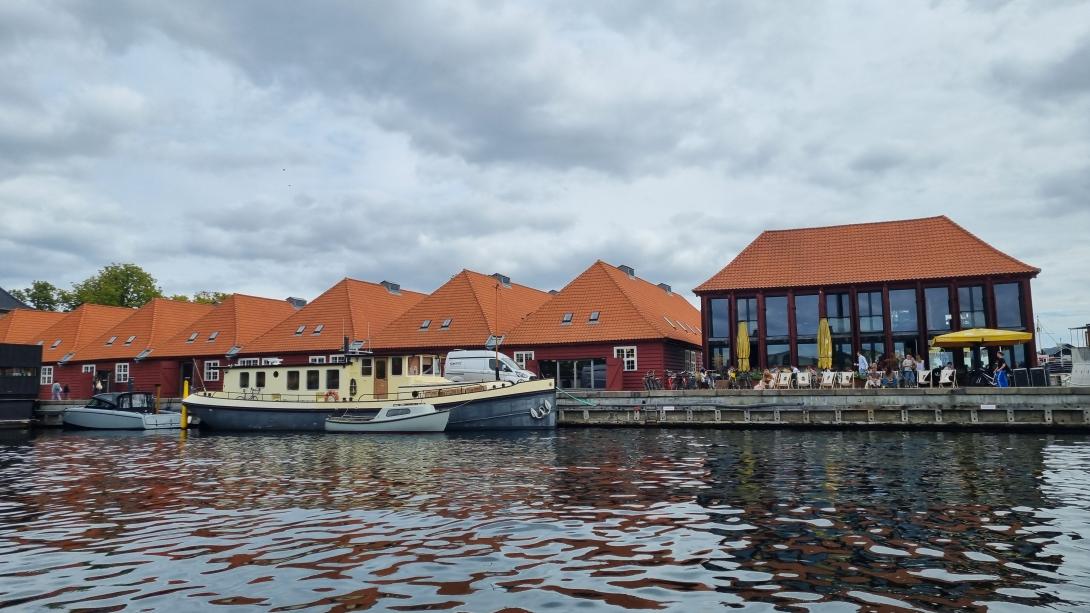
This Stromma Tours hour-long excursion features an onboard audio guide as it squeezes under some low bridges in the centre of the city out to the more expansive waters of Copenhagen harbour, passing iconic sights such as the brightly coloured buildings of Nyhavn, alternative community Christiania, the former army barracks at Holmen, the Copenhagen Opera House and, of course, the Little Mermaid.
Also included on the Copenhagen Card, it’s the perfect way to see all the major landmarks – without the legwork!
Oarsome experience
Encourage clients to make the most of Copenhagen’s reliable travel network by taking a train out to Roskilde, 20 minutes from the central station, to visit the Viking Ship Museum.
In the 1960s, Roskilde fjord was the site of an important archaeological find – five Viking boats dating back 1,000 years which were excavated and reassembled in a purpose-built hall.
So far, so standard museum, but what sets this place apart is that it’s also a working boatyard, where ancient techniques are employed to build seaworthy longboats.
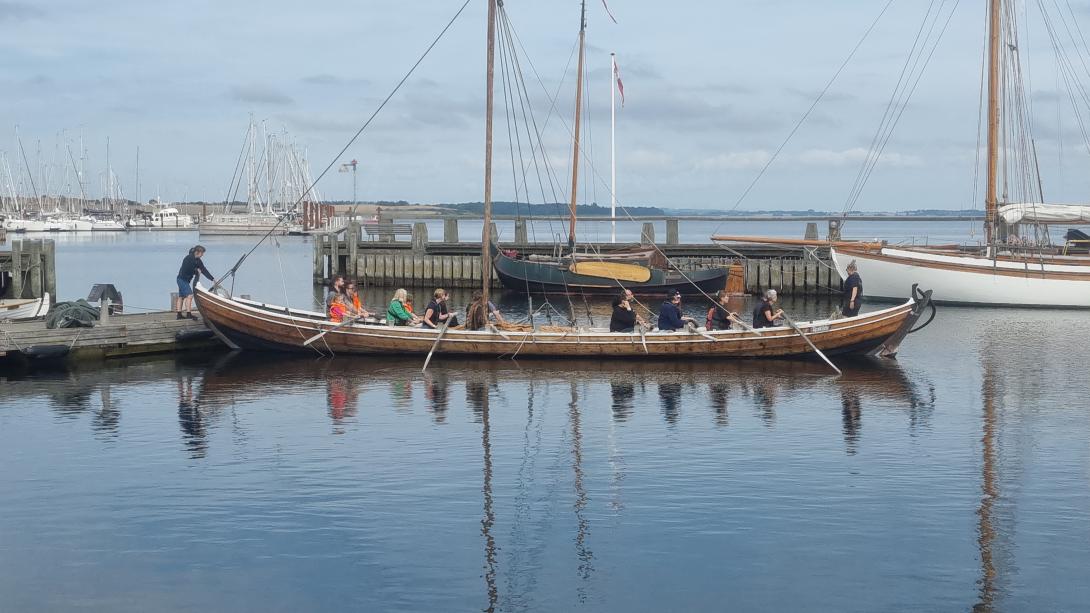
The Copenhagen Card covers admittance to the museum, but for just 140 Danish kroner (£16) extra, visitors can jump onboard one of these iconic vessels and become crew members for an hour.
Guided by a professional captain, it was amazing how quickly our multinational, multigenerational group pulled together – literally – to propel our longboat out across the fjord and back again.
It’s a magical experience that you simply have to recommend to clients.
Here for the beer
Ask anyone to name a Danish brand of beer and you’d probably get the same answer – Carlsberg.
The venue where I took a beer tour in the 1980s has long since been replaced by a fancy hotel and apartments, so I decided to pay a visit to its replacement, The Home of Carlsberg, which is situated in the company’s original brewery near Vesterbro.
Copenhagen Card holders get can enjoy free entrance to the on-site exhibition, which features interactive games and uses impressive videos to recount the turbulent relationship between Carlsberg founder JC Jacobsen and his son Carl, which had a profound effect on Danish industry as well as its culture.
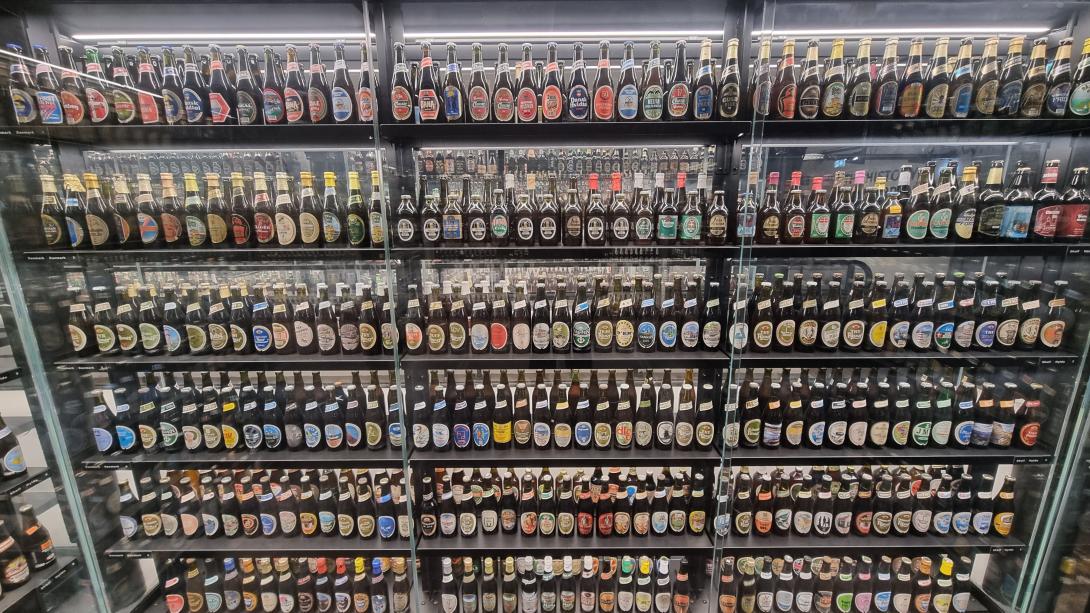
After passing through the spectacular “beer library” – a huge room full of floor-to-ceiling glass cabinets housing thousands of vintage beer bottles – it’s time for the final stop of the tour, the bar, where the friendly staff serve up an ice-cold draught Carlsberg of your choice.
I’ll drink to that!
For more information, please go to VisitDenmark.com and VisitCopenhagen.com.