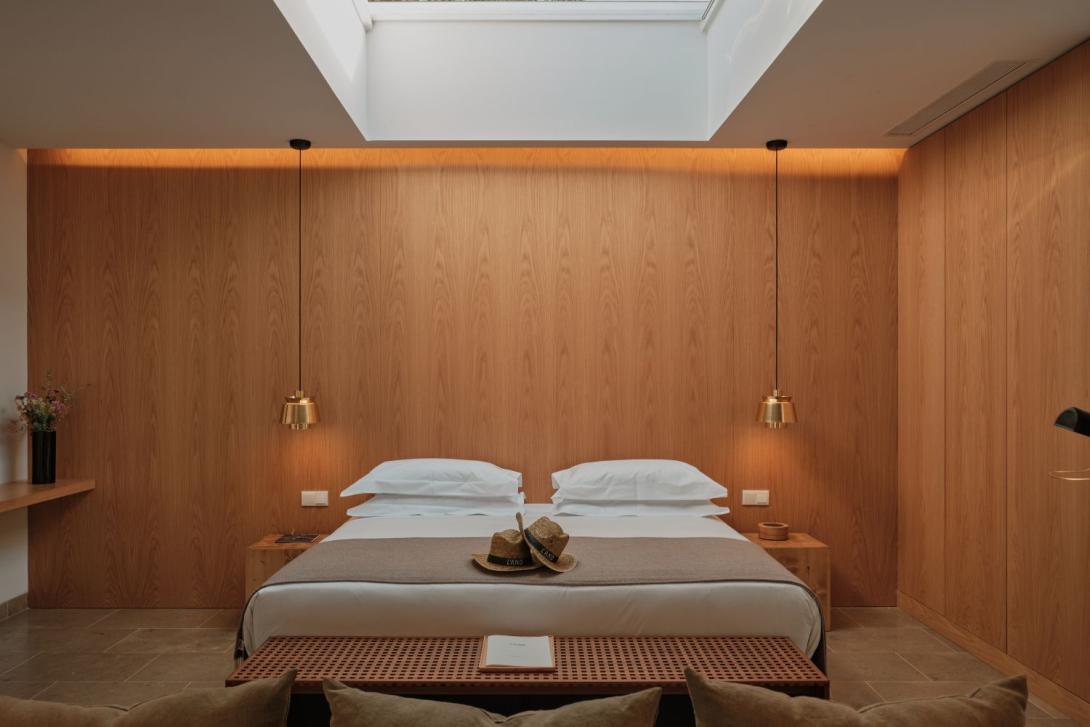
Advisors are finding innovative ways for their high-net-worth clients to relax on holiday, according to the latest insights report by ASmallWorld.
While adventure tourism remains popular with the luxury traveller, itineraries that encourage them to slow down are equally in-demand.
“We’re living in a world that’s always on,” said Grant Holmes, vice president of travel at ASmallWorld. “So it’s no surprise that travellers now see rest as the rarest luxury of all.”
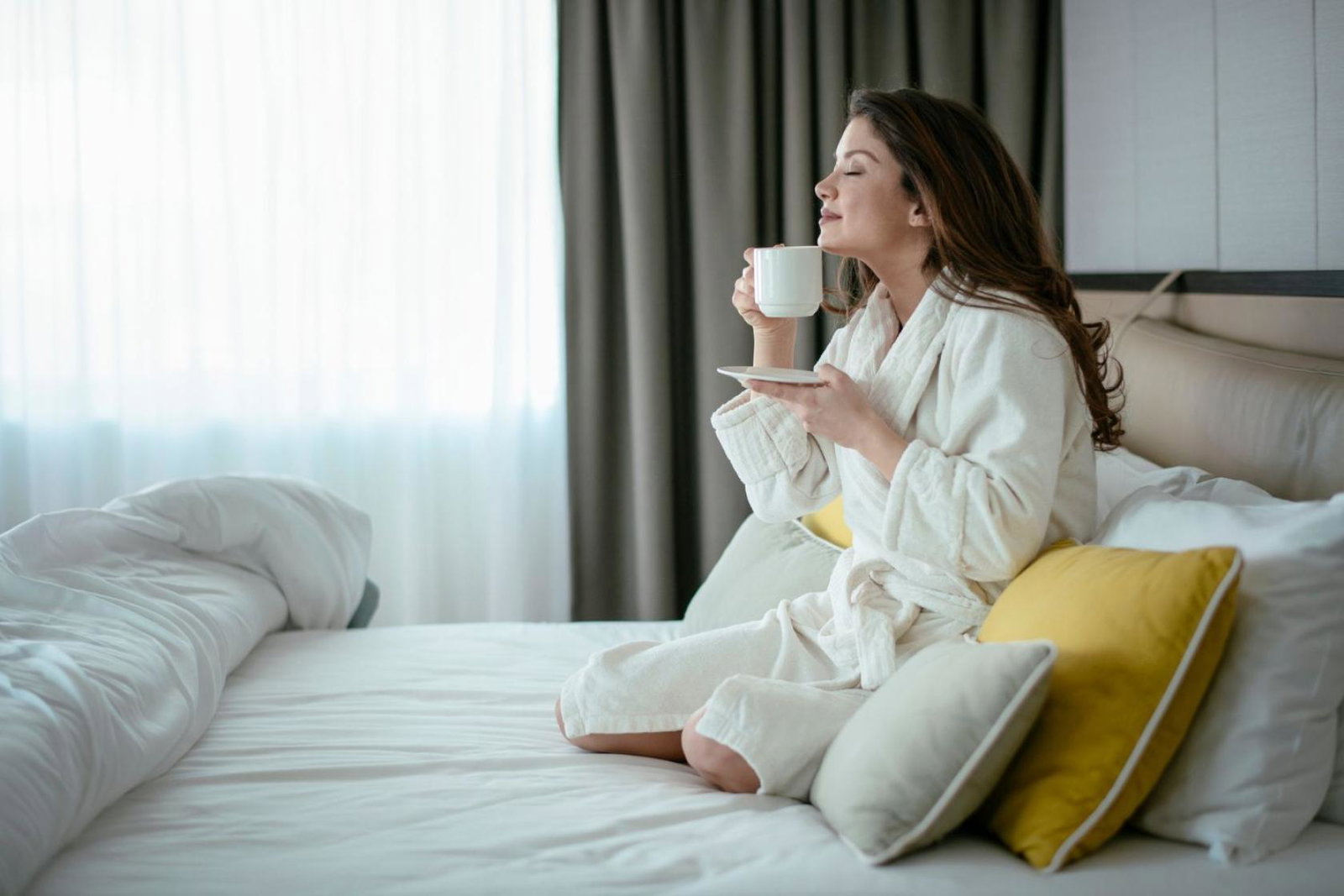
The luxury lifestyle community has predicted that ‘rest’ will be the top indulgence of 2026, with more travellers ‘hurkle durkling’ (the Scottish tradition of staying longer in bed) during their off-time.
Suppliers are already investing in this trend, with an increasing number of luxury hotels offering services that encourage restful evenings and gentler mornings.
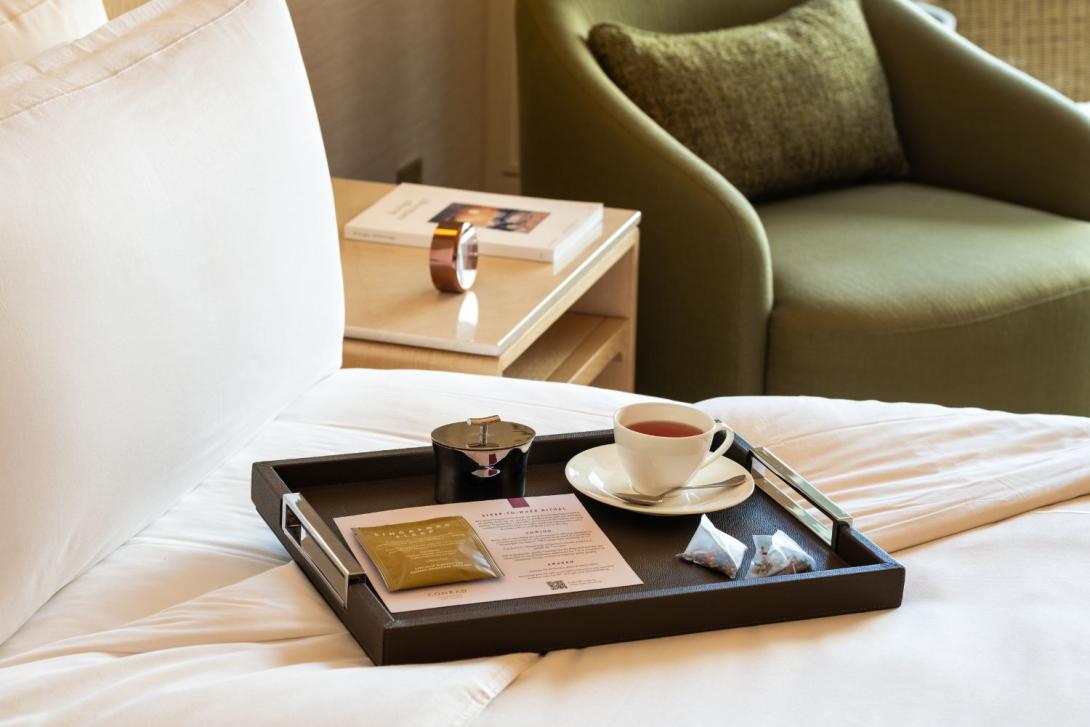
For example, Conrad Singapore Orchard’s ‘Sleep-to-Wake Ritual’, which launched in 2024, offers guests botanical tea, pillow menus and a guided sound bath to optimise their sleep.
Similarly, in Coimbra, Portugal, the CBR Boutique Hotel provides a ‘Sleep Spa’ experience, featuring premium Hastens mattresses (known for their natural fillings and layered spring systems) and sleep-inducing food and beverages.
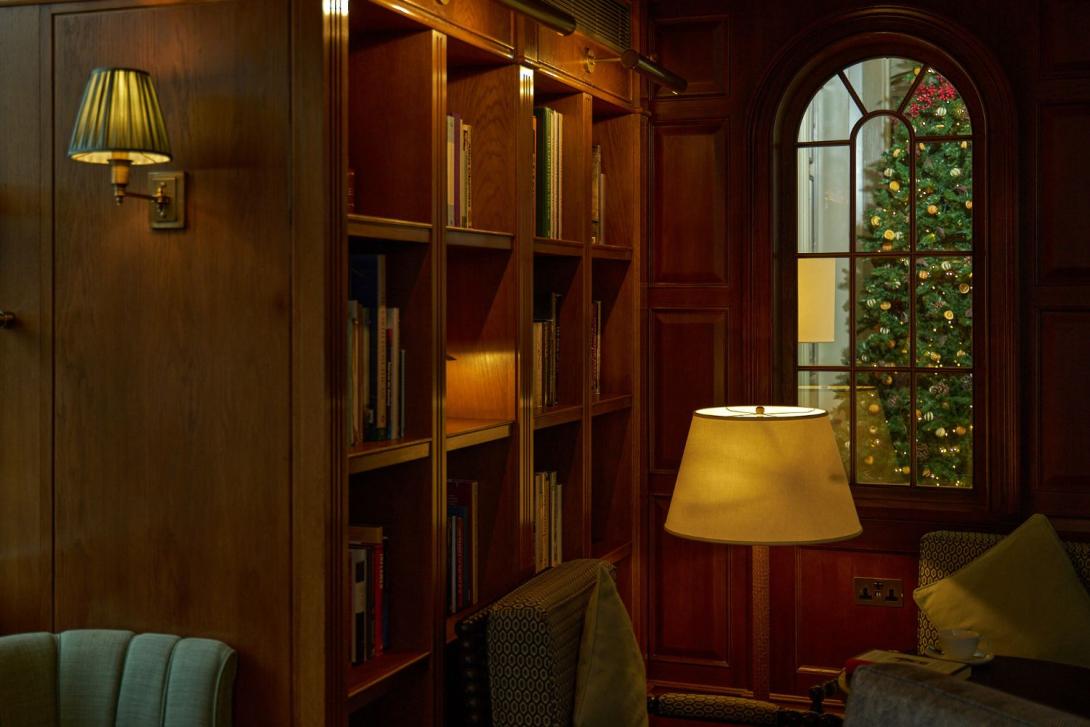
Hotels are also introducing services designed to enhanced sleep; for example, University Arms Hotel in Cambridge has a ‘Book Butler’ who delivers handpicked literary classics directly to guests’ suites.
Other properties are prioritising views; in Turkey, the Argos Hotel Cappadocia offers rooms that overlook the air balloon-dotted valley. Meanwhile in Zambia, guests at Time + Tide in South Luangwa National Park awaken to sounds of hippos and sightings of wading elephants.
Nocturnal tourism
Many luxury hotels and resorts are also embracing the nighttime to deliver a tranquil experience for guests. An offshoot of ‘nocturnal tourism’, this trend focuses on ‘sensory stillness’ – turning to the dark sky and silent surroundings as a means of slowing down.
Examples include paddling beneath the Midnight Sun in Norway’s fjords, bioluminescent plankton kayaking in Indonesia and stargazing the Milky Way in Namibia.
Activities are gentle, sometimes even stoic, allowing clients to become truly hypnotised by the night’s serenity.
“It's about acknowledging that we're chronically overstimulated and that sometimes, the most luxurious thing you can offer someone is genuine quiet and a sky full of stars,” Grant explained.
Luxury hotels are catching onto this trend; The Nautilus Maldives launched its ‘Moonlight Renewal’ sessions last year, combining Tibetan singing bowl therapy with aromatherapy and ocean sounds beneath the glow of a full moon. L'and Vineyards Resort in Alentejo, Portugal, also encourages guests to enjoy its astronomical beauty, offering suites which feature retractable bedroom ceilings for the ultimate stargazing experience.
In Iceland, Hotel Ranga has its own observatory, which houses two high-end telescopes for spotting constellations, planets and the Northern Lights.
Down under, Rosewood Matakauri in Queensland invites guests to learn all about Maori astronomy on its ‘Starry Night Adventure’ programme, while Trout Point Lodge in Nova Scotia runs guided stargazing sessions from its riverside meadow platform.
“The allure of nocturnal excursions is more appealing than ever before, as our guests increasingly request experiences that involve venturing out by night to avoid the crowds and embrace the silence – be it under the stars of a pollution-free sky or guided by the glow of the Midnight Sun,” said Simon Lynch, global product & strategy director at Scott Dunn.
“Hushpitality”
Luxury travellers aren’t just seeking peace; they’re looking for silence.
This blend of serenity and hospitality has been dubbed ‘hushpitality’ by Hilton’s trends report for 2026 and is expected to shape how both luxury suppliers and agents cater to their clients in the coming year.
Forecasters predict a rise in enquiries for more remote destinations, as travellers seek to escape the buzz of tourist hotspots in search of quieter alternatives. Places like Cosmoledo Atoll in the Seychelles, Samarkand in Uzbekistan and Fogo Island off Canada all offer this coveted tranquility, as well as the promise of unspoilt nature and preserved culture.
This desire for 'hushpitality' is also being met by the emphasis on private mealtimes; Conrad London St. James’s in-room dining service, The Pem in Bed, allows guests to enjoy the gourmet restaurant’s menu without leaving their suite, while the Aman New York offers in-room omakase for all suite guests.
Exclusive access is another synonym for quiet spaces; guests at the Cadogan Hotel in Chelsea are given keys to the square’s secluded gardens, while those staying at The Ned London are welcome to use its private club facilities.