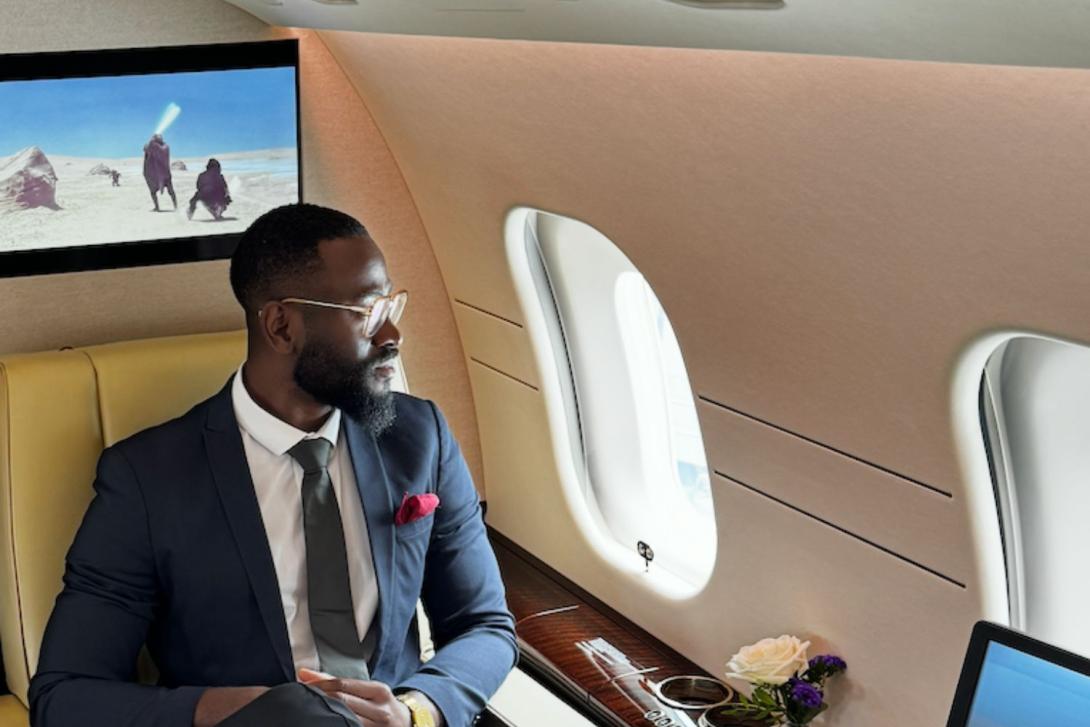
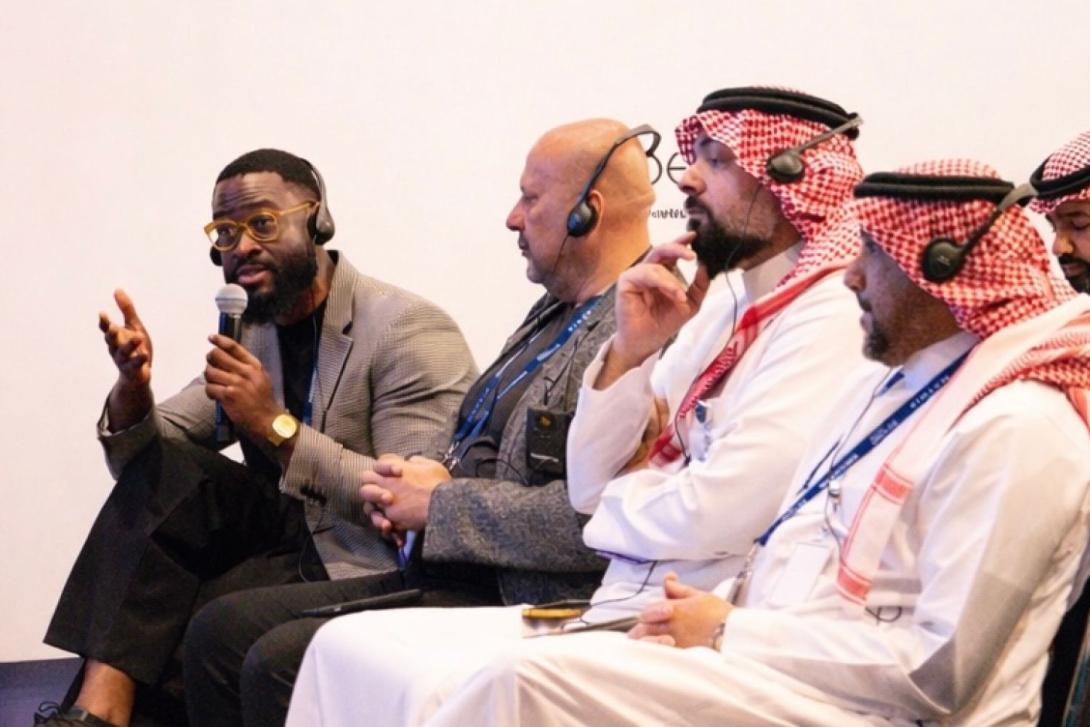
A luxury travel specialist has revealed seven rules for delivering ‘impeccable’ service to ultra-high-net-worth individuals after nearly ten years in the industry.
Kingsley Ben, managing director of Carlton Noble, has worked with some of the world’s most elite travellers since founding the luxury lifestyle house in 2018.
Partnering with top-tier suppliers, he prides himself on “orchestrating the finest bespoke journeys” for his clients – “unlocking access” to remote, exclusive and sometimes, unheard of, experiences.
Kingsley has now shared his expert advice for impressing these “highly-versed” travellers, as well as some words of warning for agents new to the art of VIP concierge.
Understand chronology
To ensure the traveller gets the most out of their trip, it’s crucial to understand their body clock. Kingsley always enquires about the client’s chronotype, which refers to their natural inclinations for sleep and peak productivity times, before planning the itinerary.
For example, if the individual is an early bird, he may book sunrise yoga, a pre-opening tour of a museum or an extravagant room service brunch. Conversely, for those who prefer to sleep in, he will leave mornings entirely free, and instead schedule excursions for the afternoon onward.
“If the client isn’t a morning person, there is no need to provide them with a morning-centric experience,” Kingsley explained.
This attention to the client’s chronotype is also essential for trips that involve long journeys and/or crossing time zones. If the individual is expected to be fatigued or jet-lagged on arrival, the agent should craft a welcome experience that prioritises rest and relaxation. This may involve allowing them to skip the formal check-in process, ensuring turndown service has already been done, or pre-ordering room service to their suite.
Focus on the senses
Kingsley believes that understanding a client’s sensory preferences, such as their favourite scents and tastes, is key to crafting a VIP experience.
“It’s one attribute most people tend to ignore,” he said. “But these small things need to be focused on.”
Kingsley will ask the client for their favourite “familiar scent” and “a scent that is unappreciated”; for example, coffee beans and freshly cut grass. He will then use this information to curate the aroma of their suite, organising for freshly ground coffee and earthy essential oils to greet them upon arrival. Equally important is the temperature of the space; Kingsley always ensures that the heating or air conditioning is set to the client’s preference before check-in.
He’ll also inquire about visual likes and dislikes, such as favourite and least favourite colours and patterns, to allow him to select a suite that is most aesthetically pleasing to the guest. Though most offer an elevated level of comfort, the style of luxury hotels varies widely depending on the property – and not all are guaranteed to suit the client.
“Some clients want darker and cosier rooms, others want airy and light ones,” Kingsley explained. “Some want traditional luxury, others want a very modern feel. You need to create an experience that utilises the senses, ensuring it’s in alignment with their expectations.”
Prioritise the chauffeur
First impressions in luxury travel aren’t made at the hotel – they’re made from the moment the journey begins. Kingsley always asks clients about their transfer preferences, from their ideal car temperature to their susceptibility to motion sickness. He also checks if they like to travel in silence or to chat with their driver, as well as their music likes and dislikes.
Screen airport facilities
Although the majority of major airports today have first-class lounges, it’s no secret that the standard of these spaces varies widely from country to country. Kingsley always informs his clients of the lounges’ facilities before the trip, briefing them on everything from sleeping pods and private showers to work stations and bar service.
If it’s a group booking, Kingsley may suggest flying private rather than buying multiple first-class seats on a commercial flight.
“Chartering a jet can be more cost-effective for clients travelling in small groups, with the total price often the same or less,” he explained.
Private aviation tends to mean higher control over the logistics of the trip, allowing for more flexible scheduling, a bespoke inflight experience and emergency adjustments.
“Flying private gives you a lot more freedom and you can have the experience on your own terms,” Kingsley said.
Don’t book villas – unless you fully understand them
It’s no secret that demand for villas is rising, with around 27% of high-net-worth travellers now favouring vacation rentals over luxury hotels. This shift has been reflected in operators like onefinestay and CV Villas investing heavily in their trade partners, with the latter recently hailing agents for boosting their 2025 shoulder season bookings.
But while these properties can offer a number of benefits, Kingsley strongly advises against booking a villa without prior experience.
“Private villas really require a level of expertise,” he said. “The property may be great, but the reality of staying there isn’t always.”
Common problems when reserving luxury villas include insufficient security measures, inadequate staffing and unsuitable locations – all of which have the potential to spoil the entire experience.
To minimise these risks, Kingsley emphasises the importance of building a strong relationship with the property’s managers. From the outset, he establishes a clear channel of communication from which he can advise on everything from the client’s dietary requirements to the minute details of their schedule.
He also makes sure that the property has all the necessary security, such as perimeter protection, CCTV cameras and round-the-clock guards, and that staff are fully briefed on discretion and privacy beforehand.
“It’s your duty as a travel designer to craft something impeccable by working closely with the house manager, the chefs, and the security.”
Attend events
In the world of ultra-luxury travel, attending events isn’t an extra – it’s a necessity. Suppliers are more likely to trust agents they have met in person, and trade shows like ILTM and Black Book are invaluable for linking up with exhibitors whose product or services may not be readily available on the marketplace.
“It’s super important to attend these events,” Kingsley said. “It gives you the opportunity to connect with new suppliers and inventories, as well as tourism boards for key destinations.” These events are also excellent spaces for finding potential mentors, who, along with introducing you to their inner circles, can provide a source of impartial knowledge and guidance.
Set boundaries
It may be tempting as a luxury travel advisor to say “yes” to every request, but Kingsley believes it’s important to set clear boundaries with clients.
“Some agents are terrified of their clients, but that should never be the case,” he said. “A doctor wouldn’t be terrified of their patients.”
This doesn’t mean Kingsley turns down his clients’ requests, however. Should an individual ask him to fulfil a wish that isn't feasible, he will always offer an alternative solution – using these scenarios as opportunities to showcase his knowledge.
“Discerning clients do not want order takers,” Kingsley explained. “They want experts. Every recommendation should be thoughtful, informed, and genuinely in their best interest, even when that means refining or redirecting a request. That discernment is where real value is created.”
Want to discover more luxury trends?
Apply now to attend Black Book – a new luxury travel event designed to build relationships and help travel designers unlock insight into the future of luxury travel.
Enjoy curated one-to-one meetings with leading luxury brands and delve into an inspiring conference programme, where travel designers can gain first-hand understanding of how to future-proof their business.