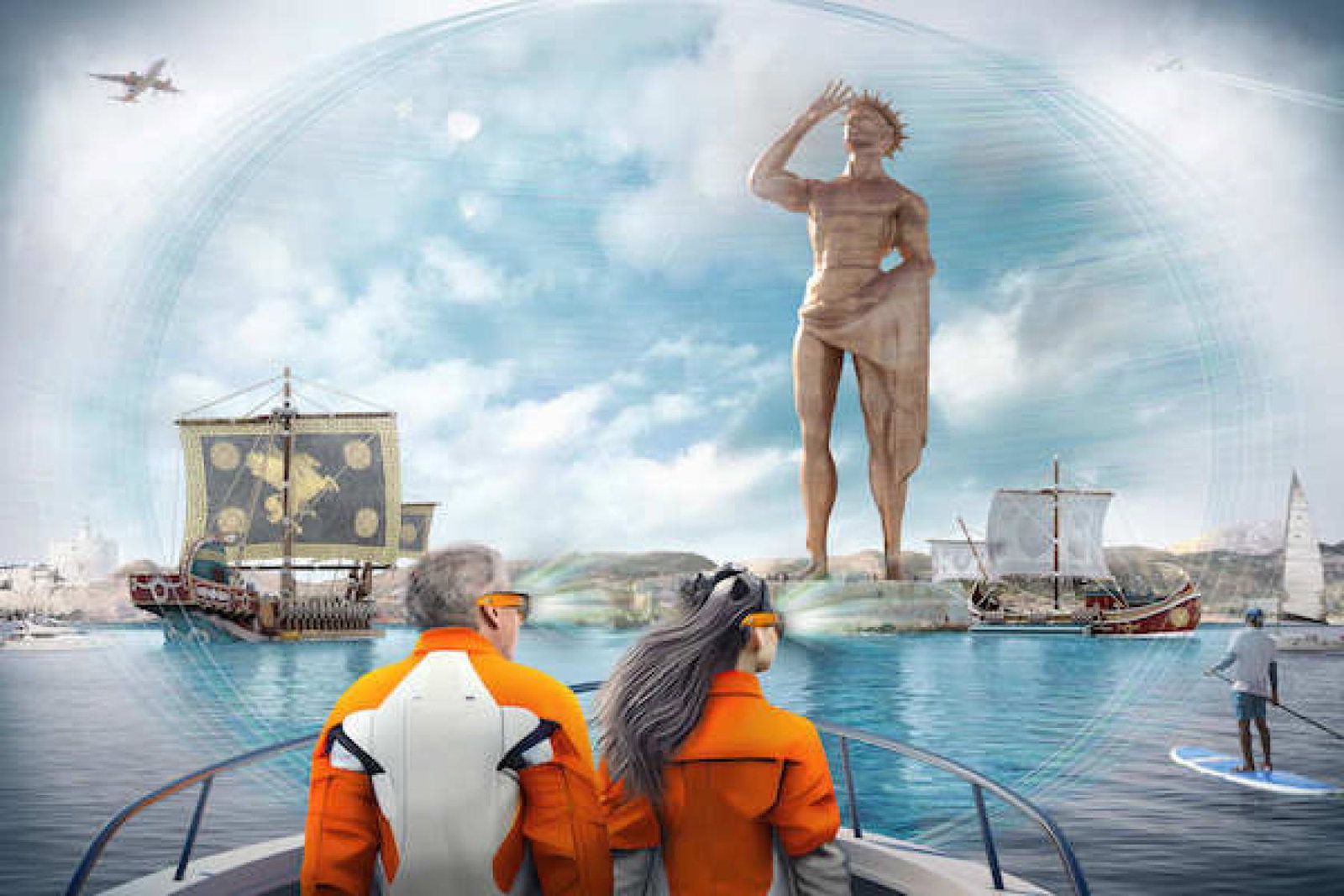
The carrier has commissioned some of the UK’s top academics and futurists to reimagine how travel and tourism will develop of the next half a century, with some startling conclusions.
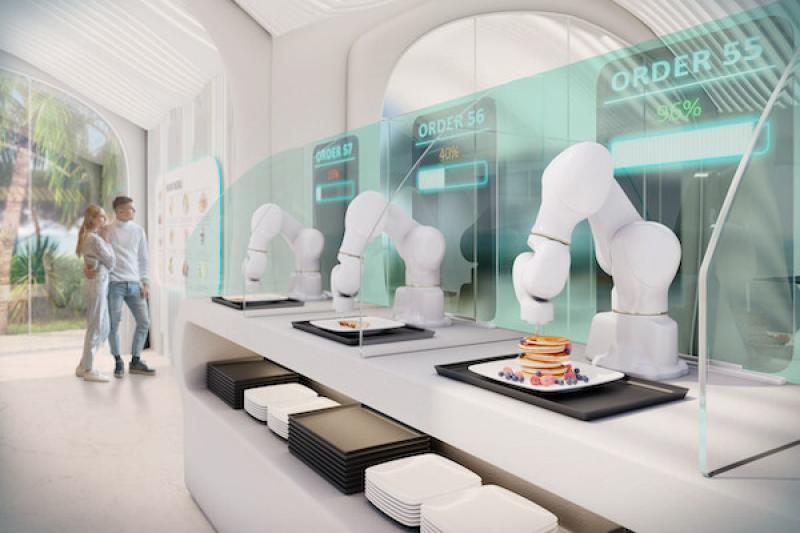
But while the report reads like a trip down memory lane, or a forgotten chapter of The Hitch-Hikers Guide to the Galaxy, is the notion of 3D-printed buffets or in-flight entertainment beamed directly before passengers’ eyes really that fanciful?
New technology, easyJet insists, will also help keep demand for holidays high, with 75% of Britons telling the carrier technological advances will make them more likely to travel.
“Looking forward, by the year 2070, the destinations we fly to, the type of accommodation we stay in, and the experiences we have, will have changed immeasurably,” said one of the report’s co-authors, professor Birgitte Andersen of Birkbeck University.
So what can we look out for according to easyJet’s 2070: the future travel report?
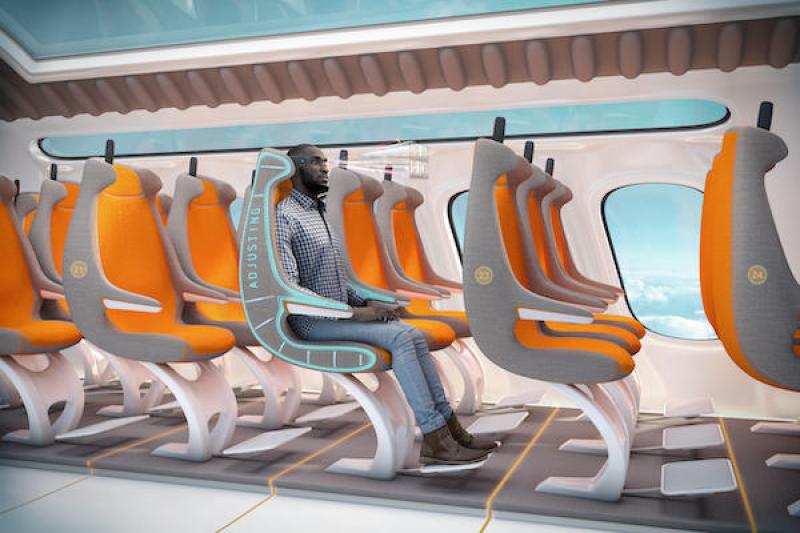
Heartbeat passports and sensory plane seats
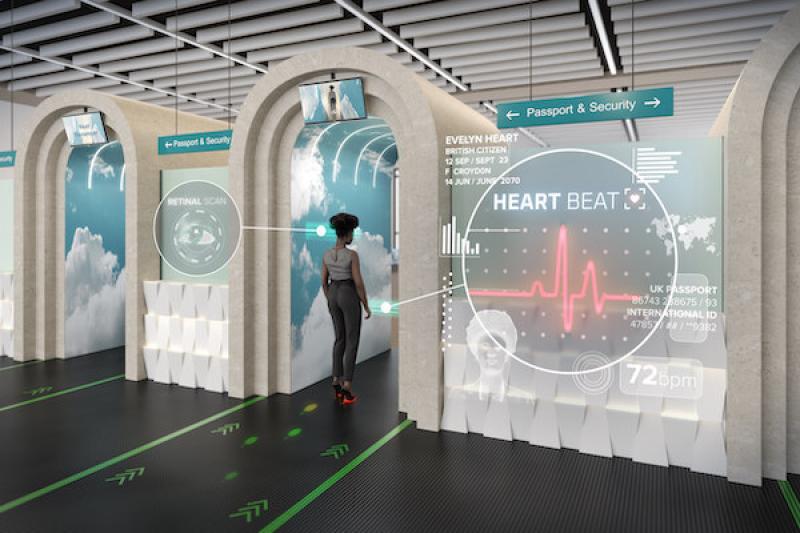
According to the report’s authors, the biggest revolution in airport journeys will be the adoption of heartbeat and biometric signatures instead of physical passports.
The experts believe each person’s heartbeat and biometric data will be registered in a global system, allowing travellers to breeze through airports without worrying about queuing.