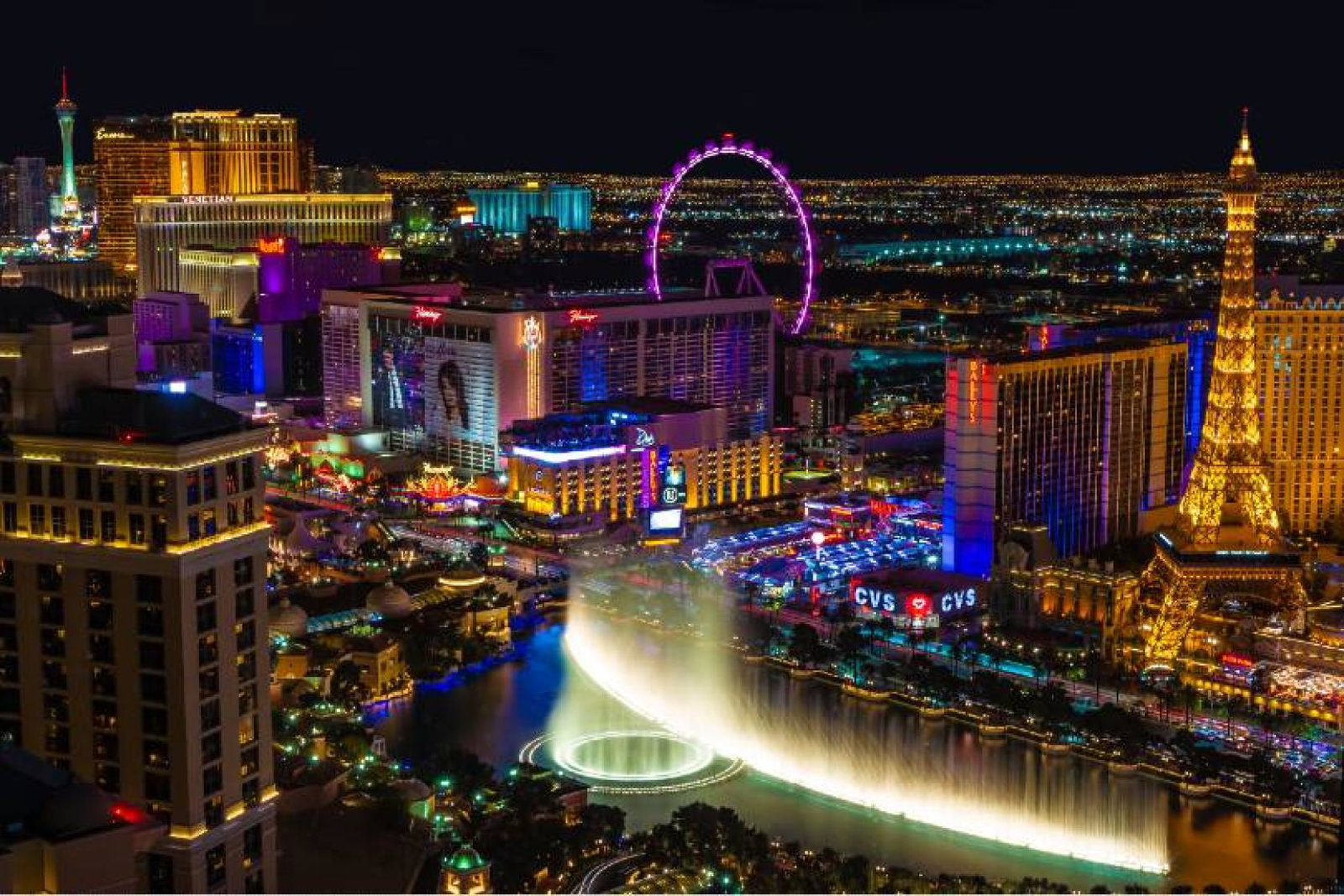
Fees have long been a feature of trips to Las Vegas, for instance, but agents tell TTG that since 2020, they have noticed charges popping up across the country, naming New York, San Francisco, Miami and Fort Lauderdale as some of the worst offenders.
While they vary from property to property, about $45 per room per night now seems to be standard, regardless of a property’s star rating.
Cruise365 owner Anthony Blackmore said he believed the practice had arisen to make hotels appear cheaper on OTAs’ websites, with the growing costs leaving a nasty taste in the mouth.

"It began with the price comparison sites – all the resorts took their prices down so they could be first in the search," he said. "They charge for very basic things like coffee in reception in the morning or internet access, which you would have got for free anyway.”
’Getting out of hand’
Travology Travel owner and managing director Lucy Clarke agreed the practice was become increasingly prevalent – she visited the US in November last year and ended up spending around an extra $700 on fees during a 16-night itinerary.
She added that even when resorts include proper perks as part of the charge, they can still backfire. “In New York, we did get free bike hire, but by the time you had paid the extra charges at the bike hire place, it meant it was dearer than renting bikes somewhere else.”
Clarke said another problem with the fees was that agents aren’t able include them in the overall package price, meaning they can’t provide their clients a complete upfront cost. Clients, in turn, are left having to stump up on arrival and pay the hotel direct.
"People are paying it, but they are starting to think this is getting a bit out of hand now," she said. Clarke added that as a result of the increased costs, customers were becoming less likely to book short trips and city breaks to the US.
Transparency
A spokesperson for the American Hotel and Lodging Association (AHLA) defended the charges, claiming they allow properties to bundle amenities such as pools, beach access, and food and beverage credits "at a lower cost than they would otherwise be available separately".
The spokesperson said data it collected in December 2022 showed just 6% of more than 62,000 hotels nationwide charged “mandatory additional fees”, adding they had not seen any spikes in the data since.
They added the association had long advocated for legislation making hotel charges more transparent, and stressed it supported the US Hotel Fees Transparency Act, which was passed by the House of Representatives earlier this year and now awaits Senate approval.
The law seeks to create a nationwide standard for advertising room fees, while a recently introduced rule by the Federal Trade Commission (FTC) demands all-in hotel pricing be displayed at the start of the booking process.
The Trump effect?
Westoe Travel owner Graeme Brett agreed the fees have been spreading – he has seen his Canadian business grow by a third as customers opt away from the US, but does not believe cracking down on fees will make a difference.
“It’s not just the cost that is putting people off, it’s mainly the president that’s doing it," he remarked.