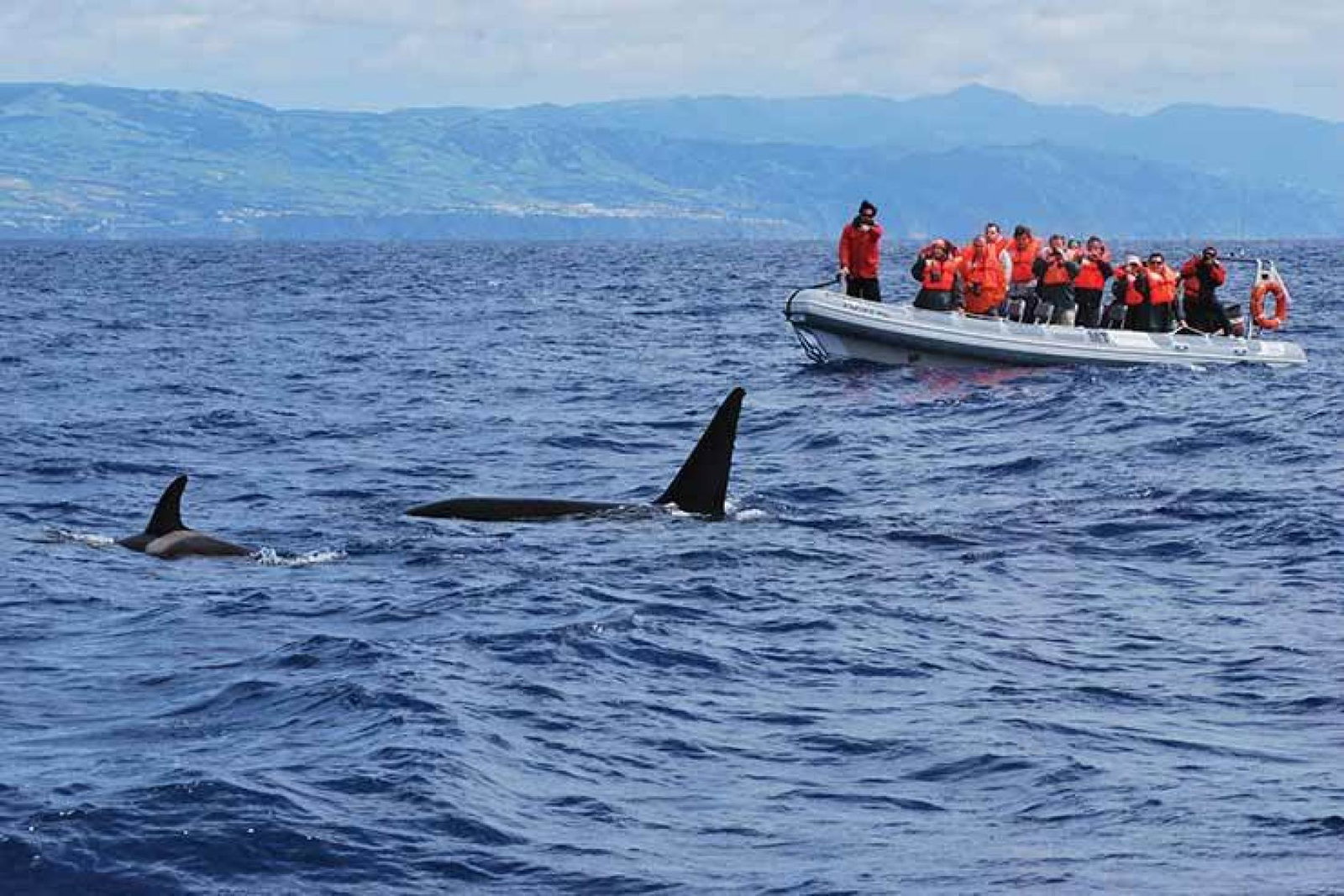
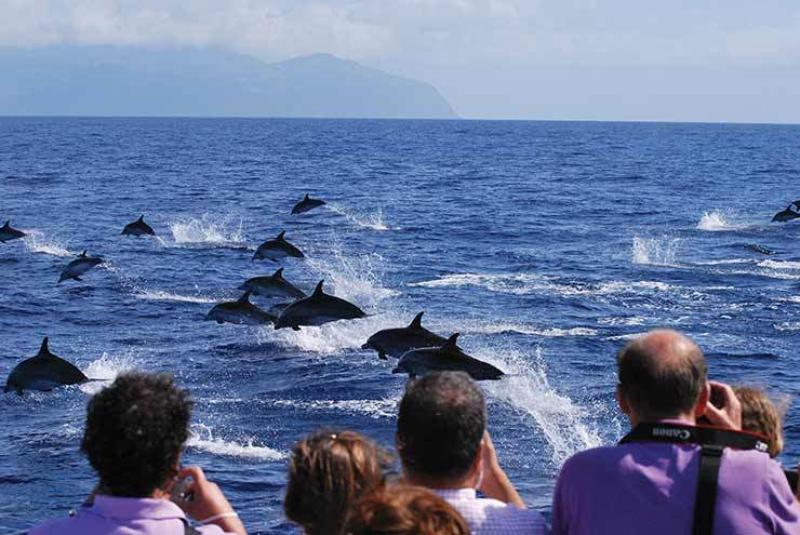
A new whale-watching accreditation scheme is being launched with the hope of making the increasingly popular tourist activity more sustainable.
World Cetacean Alliance secretariat Dylan Walker said following the Whale Heritage Site Accreditation Scheme’s launch in January, he was hoping to have up to 10 destinations signed up in 2017.
While whale-watching figures are hard to come by, a study conducted by the International Fund for Animal Welfare conducted in 2009 showed that in 2008, 13 million people went whale watching in 119 countries, generating $2 billion.
More recent studies remain elusive, but individual country surveys have revealed that in Iceland, 230,000 people went whale watching in 2014.
The number represents an increase of 11.6% year-on-year, similar to global increases in 2008, and means £12 million was generated for the country’s economy.
As customers increasingly focus on real-life experiences, global growth in whale watching is likely to continue.
Walker says: “We live in a world now where people and the natural world live in ever tightening concentric circles; we’re living closer together and it is becoming increasingly apparent that the travel industry can play a major role by giving them protected habitats.
“The industry can do its bit by allowing people to interact with nature in a responsible way.”