Risk of further major insolvency episode 'significant'
The report further warns the risk of another major airline insolvency episode over the next 15 years is “significant”, likely affecting half a million passengers were it to happen today - and nearly a million by 2033, the increased risk attributable to “passenger demand growth and increasing insolvency risk”.
Bucks says too many air passengers are flying without adequate protection against the insolvency of their airline, despite this increased risk of failure.
He says the current protection landscape does not adequately support passengers, is confusing, and can lead to passengers paying twice for protection while others - knowingly or not - travel unprotected.
“Air travel clearly brings huge benefits, connecting people from all over the world, but when an airline goes out of business, it can affect large numbers of people who can often look to their government and the taxpayer to assist them in their hour of need,” said Bucks. “Too many do not have protection of their own, too often requiring the taxpayer to step in.
“Even though airline insolvencies are relatively rare, we need to be prepared to deal with the consequences for passengers when one occurs. Ensuring all passengers can get home requires organisation, funding and in many cases, more than simply rebooking onto other flights.”
The review explores the interplay between the major stakeholders in international air travel, such as airlines and governments, and the role any formalised financial protection plays, like the Atol scheme.
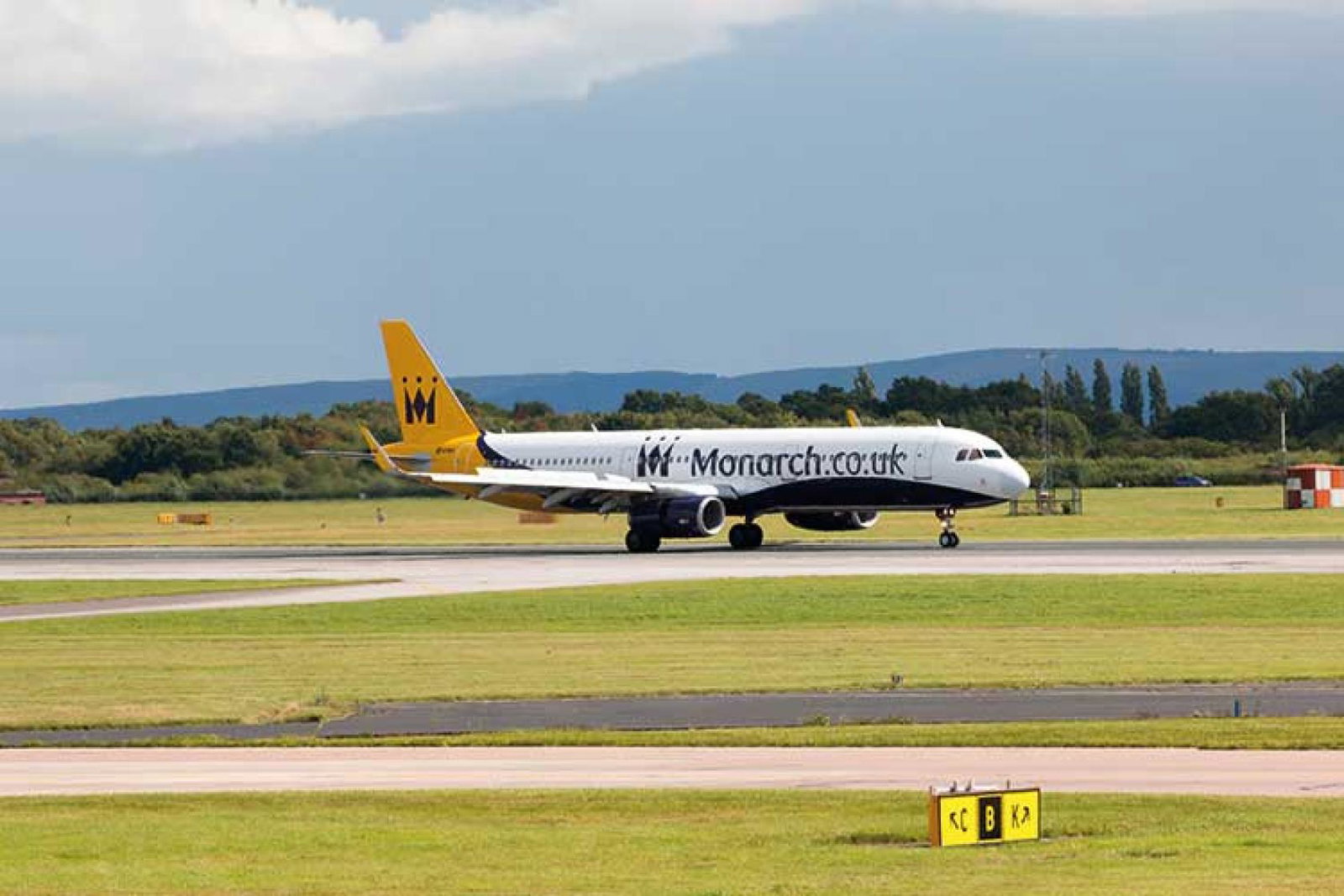
Although it acted swiftly, the government was criticised for its intervention over Monarch failure, with its actions - taken during the Conservative party conference - seen to either undermine, or invalidate entirely, the Atol scheme.
Bucks notes governments face the “moral hazard” of protecting or repatriating passengers who failed to protect themselves through their travel arrangements, adding over the last 20 years where there have been two significant insolvency events, the UK government has intervened to mitigate the impact on unprotected passengers.
Following the collapse of Monarch, Abta was highly critical of the CAA, the body responsible for the Atol scheme, for its lack of transparency.
Chief executive Mark Tanzer said: “Only 5% of Monarch’s passengers were travelling on Monarch package holidays, yet to the outside world Monarch was an ‘Atol-protected’ company."
Tanzer added the government’s repatriation effort set a dangerous precedent, which left the industry - and savvy consumers - wondering what the role of the Atol scheme was in the event of government intervention.
"The government decided they would repatriate everyone free of charge and try to recoup as much as it could from Atol holders and credit card companies, who were not consulted and certainly had no say in the cost incurred.
“What is the point of Atol protection if everyone gets brought home anyway? Customers will expect the same free repatriation in the event of future airline failures.”
Abta: 'Review an opportunity to set things right'
Abta chief executive Tanzer said: “It is good the review has confirmed there is a problem with the existing protection arrangements if an airline goes out of business.
"Abta has been highlighting for some time that the lack of any formal protection arrangements for scheduled flights leaves many passengers at risk, and the government and taxpayer with a potential repatriation cost. This review is an opportunity to set this right.
“We’re pleased the review team is engaging with industry and look forward to continuing to work with them to come up with concrete proposals.”
Abta has produced five design principles it says most inform and drive the government's approach to airline insolvency, they are:
- Giving consumers transparency and clarity around consumer protection;
- Preventing market distortions between competing businesses – in particular, not allowing a new rule to fall only on UK airlines and travel organisers in a market where consumers are served by carriers from many other jurisdictions;
- Avoiding duplication of consumer protection costs, and additional cost burdens for businesses currently providing protection;
- Providing all purchasers of airline seats with equality of protection – consumers, business travellers, travel agents/intermediaries and organisers;
- Making sure that funds are immediately available in the event of failure, to pay for repatriation