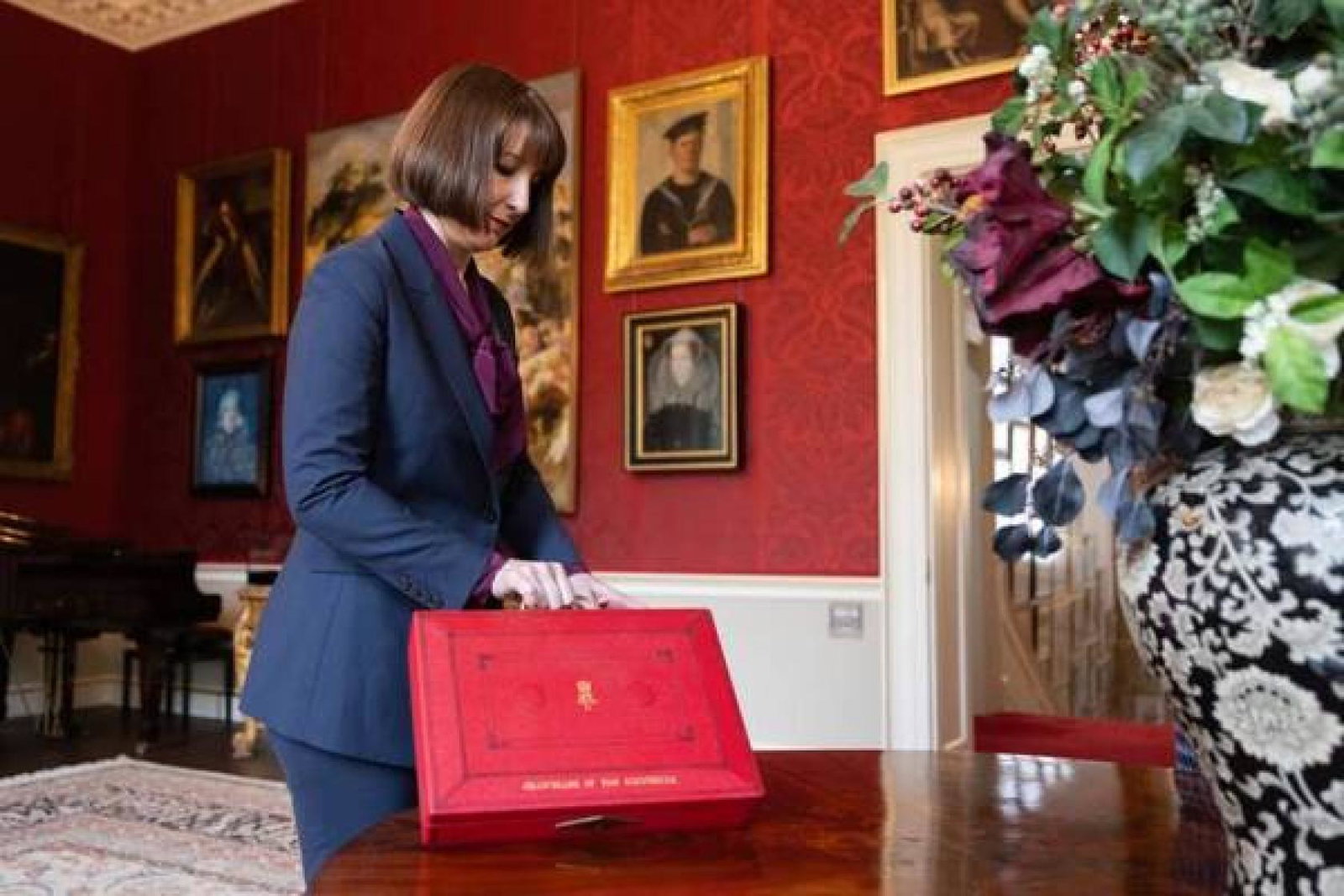
The number crunchers have done their job and the industry has digested the new Labour government’s first Budget. Broadly speaking, it brings increased costs for employers, but there is help on the horizon for the high street.
Some, though, remain distinctly unhappy, like Advantage Travel Partnership chief executive Julia Lo Bue-Said. “You’ll need to find something like £900 per person extra in costs on an average wage to absorb it,” she forecast.

“If you have an average four shops and 20 staff, National Insurance and National Minimum Wage will cost £70,000 [extra] without any growth. If you think about the margins this industry works on, it has to come from somewhere – it will be the difference between turning a profit or not for a lot of businesses.”
Jet2holidays chief executive Steve Heapy was similarly blunt. “It is going to cost us and every other airline and operator lots of money,” he said, speaking to TTG after Jet2.com confirmed it would open its 13th UK base at Luton airport next year.
Just over a week later, in a half-year trading update, Jet2 estimated a £25 million a year hit in extra staffing costs as a result of the Budget, while Hays Travel is looking at a £6 million hike.
Barrhead Travel president Jacqueline Dobson is another critic. “The Budget really did not offer much for businesses across all industries,” she said. Dobson added Barrhead “can still focus on growth”, but Lo Bue-Said warned agents must think carefully about the future.
“For a lot of our members, it will create a real conflict of decision around increasing costs just to stand still versus any potential investment, whether that’s in premises or staff,” she said, adding: “I’ve not had anyone say I’m not going to open more shops, but it’s a time for reflection.”
Recruitment experts don’t predict fewer firms seeking new staff. “We haven’t heard from any companies considering this, but it could potentially become the case,” Barbara Kolosinska, managing director, C&M Travel Recruitment, told TTG.
One consequence may be how firms employ their teams. “We could see some companies taking on more self- employed staff,” said Kolosinska. She warned against commission-only roles, telling employers “they simply won’t find qualified employees willing to take these positions”.
Kolosinska also allayed fears staff could be forced into new roles. “Transitioning staff to self-employment would be very problematic because there are many contractual and legal consequences.”
However, some legal experts believe self-employment could increase. Travlaw partner Ami Naru said: “It’s not a new concept in travel to have self-employed divisions. I think these divisions will expand. The travel industry is on the front foot compared with other industries.”
However, she warned: “I do think we need the government to provide guidance about when a worker is self-employed.”
Kolosinska added the increase in National Living Wage was a positive. “As an industry, we talk about the fact pay is too low in travel,” she said. However, another HR professional, Claire Steiner, said this was “a double-edged sword”. “Travel is perceived to be a low-paid industry,” she added. “However, we’ve been hearing from some SMEs that the increase in costs will affect recruitment and growth plans.”