







Tui’s head of sustainability Ian Corbett said the operator was very invested in the wellbeing of the destinations it operates in, such as by helping them strike a better balance between the needs of residents and tourists.
“It’s for destinations to decide what number and what type of people they want,” said Corbett, addressing the Spanish Tourist Office’s annual sustainability summit Spain Talks on Wednesday (30 April). “We, as a group, look forward to being part of the solution and redressing that imbalance.”
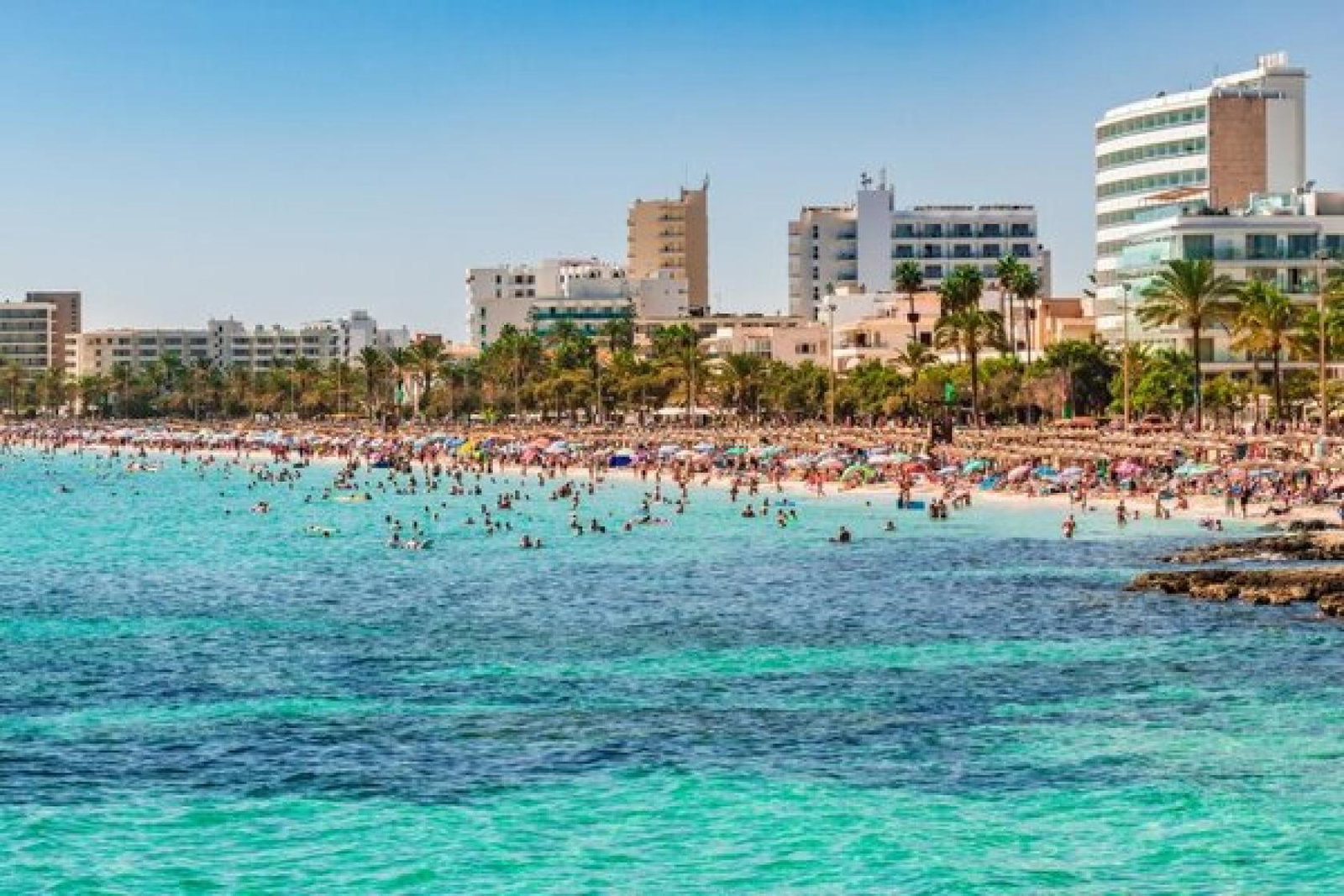
Corbett’s comments came after representatives for two popular of Spain’s most popular destinations, Palma and Barcelona, highlighted some of the steps taken to promote sustainable tourism and attract higher-quality tourism.
These include working in tandem with residents, capping the number of tourist beds available, and promoting other aspects of a destination’s offering such as its culture and, in Barcelona’s case, its suitability as a centre for meetings, incentives, conferences and exhibitions (MICE).
“We have 154,000 beds in Barcelona and we want to decide who’s sleeping in those beds,” Turisme de Barcelona director general Mateu Hernandez told delegates.
EasyJet holidays chief operating officer Matt Callaghan also pledged the operator’s support, stressing its model was based on having a positive impact on the destinations it operates in. "We recognise the places we call destinations, other people call them home, and we feel a great sense of privilege and responsibility [when we serve them],” he added.
Callaghan said easyJet holidays’ ethos was to work as closely as possible with local destination management companies to provide employment opportunities for local people who, in turn, are more willing to introduce visitors to hidden gems that enhance their experience.
“Who better to take care of our clients than the people who call the destination home, who know all the best places and can share some of the hidden gems that are off the tourist track,” he explained.
Corbett highlighted some of the focus Tui was placing on limiting the strain its operations place on local infrastructure, telling delegates a third of its hotels produce their own renewable energy. “80% of our hotels are sourcing their food and beverage in the country of origin, while 80% of staff are from there as well,” he added.
Seasonality key
Both Tui and easyJet holidays believe tour operators need to step up and help promote the different sides of destinations at different times of the year.
"We’re now able to support destinations more broadly than we have in the past because while we can’t always operate our own flights, we can use our brand and platform to grow demand in the shoulder season,” Corbett added.
However, more yet needs to be done to pursue seasonality according to Sunvil founder Noel Josephides, who highlighted the additional infrastructure investment needed to embed a year-round model.
“If you want to lengthen the season, you need a lot of investment and you have to make sure that the infrastructure is there and is open," he said. “And at the moment, that’s not happening. It’s all well and good to say we want to lengthen the season, but lengthening the season costs money.”