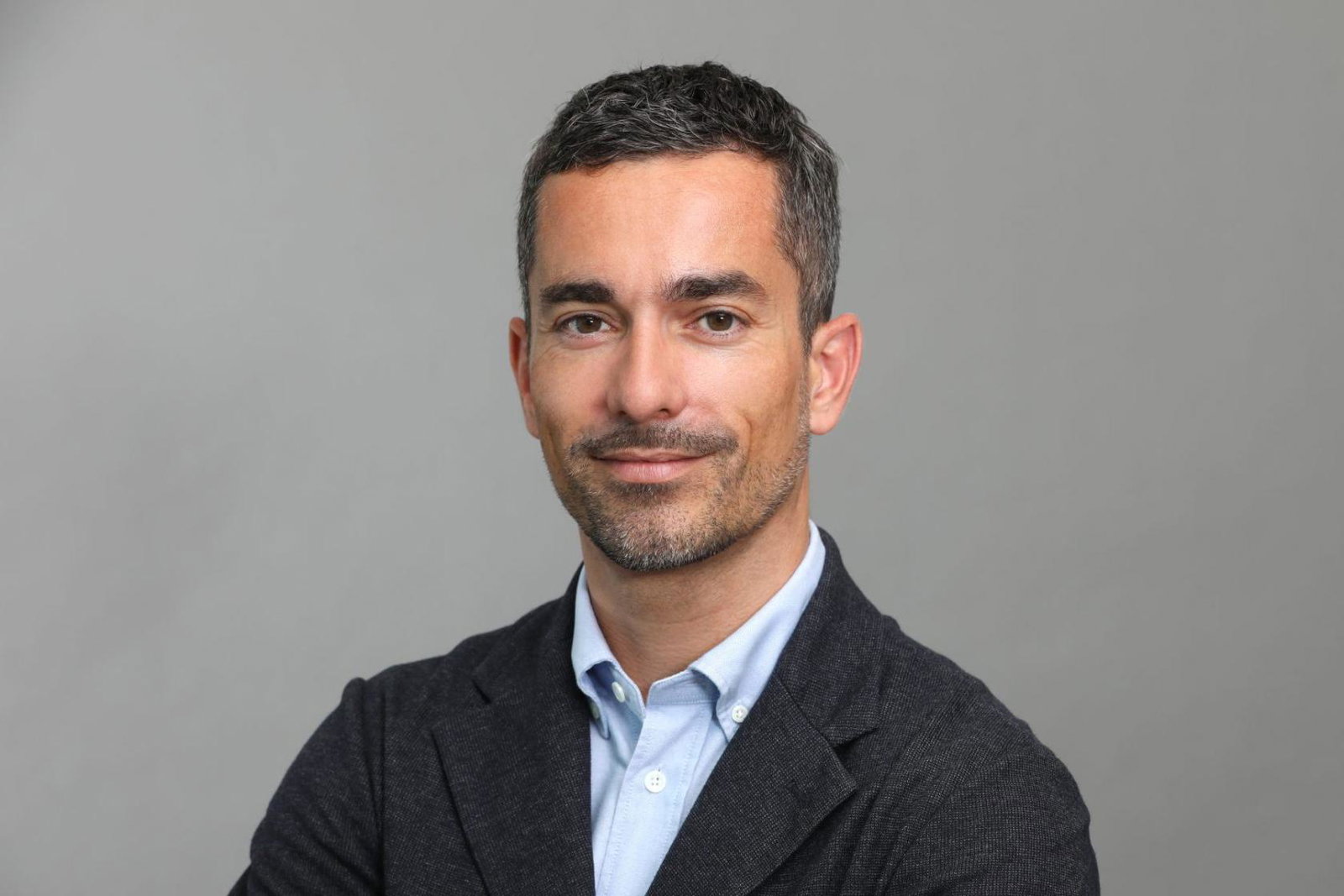
Ben Boesch, Joint Chief Executive of Kuoni parent Dertour UK, cautioned fellow travel professionals against using large language models (LLMs) like ChatGPT for recommendations or inspiration, describing them as “machines of average”.
Boesch, who was appointed joint leader of Dertour in the UK in December following its acquisition of Inghams, Explore, Santa's Lapland and Inntravel parent Hotelplan UK, was speaking at the Institute of Travel and Tourism's latest Leadership Dinner this week.

He argued that while AI is efficient for coding, contracts and other manual or administrative tasks, it isn't yet equipped to come up with the original travel ideas that set apart itineraries drawn up by industry experts.
“If you ask an AI for an off-the-beaten-track recommendation, you get the ‘average’ off-the-beaten-track trip, which means it isn't one," Boesch told guests.
He recalled a recent experience in Greece, whereby locals informed him an event had been postponed at the last minute. “There had been rain and, as a result, a ceremony commemorating the Virgin Mary had been pushed back," he said.
“An LLM would have never picked that up. I needed a real person, a destination expert, to tell me what to do.”
Boesch urged travel professionals to consider the shortcomings of AI and to offer clients an organic alternative to its suggestions. “We have an opportunity to help our customers deviate from that ‘average’, to make it personalised, to weave in our own experiences and create the extraordinary,” he said.
The Dertour chief also reflected on the UK’s “loneliness epidemic”, before highlighting the power of travel businesses to combat this issue. “Joint experiences – group tours, villa holidays, sporting events and collective memories – are what we deliver as an industry," he added. "We can provide this canvas for those moments of joy.”
The dinner was also addressed by Amelia Wolsey, Senior Trade Manager at the Saudi Tourism Authority, who highlighted the resilience of tourism in the Middle East amid the war in Iran.
"It’s a really strong region and always bounces back,” she said. “The industry itself always moves forwards and often stronger than before when these setbacks happen."