Phil Douglas, speaking at the Airlines 2025 conference, admitted he was anxious about some aspects of EES, which went live last month. EES requires UK nationals travelling to the EU to provide their fingerprints and undergo biometric facial recognition.
This will largely be completed at holidaymakers arrival airport. However, some checks at juxtaposed EU borders, such as at Dover (for ferries), St Pancras International (for Eurostar) and Folkestone (for Eurotunnel), will be completed in the UK.
Douglas identified Dover as a worry, but stressed: “I think we have got some good solutions there."
More from the Airlines 2025 conference:

He said the situation overseas was another concern. "The other border I’m still worried about is small airports – the Gironas, the Heraklions don’t have capacity for big queues.
"Will that have a slap-back to the UK in terms of delays? I would say there is probably a lot more work to do.”
However, Tui Airways chief executive Marco Ciomperlik told delegates EES had so far gone smoothly. “We have not seen any issues,” he said.
Facial recognition trials
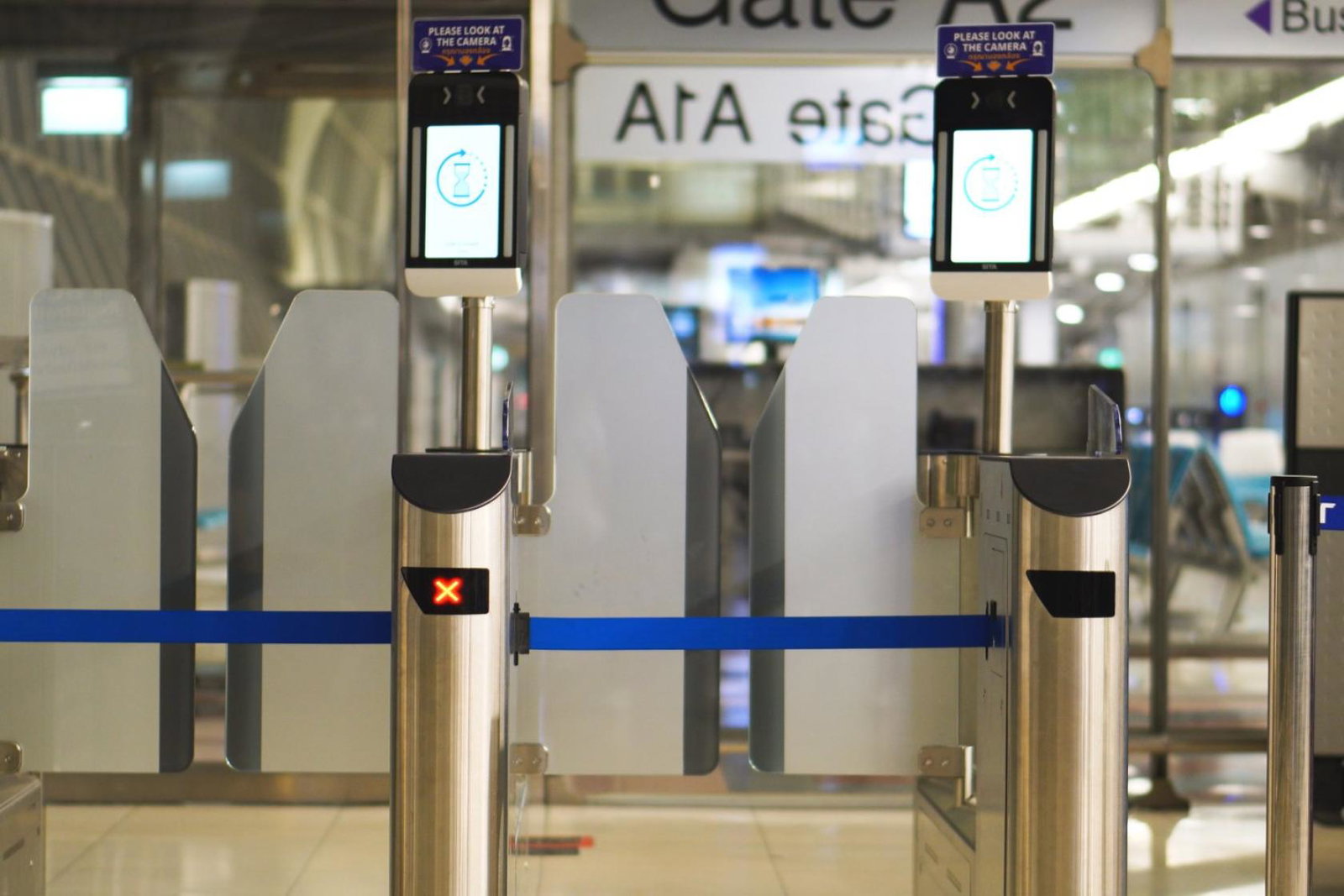
Douglas said the facial recognition trial at Manchester had allowed UK passport-holders to approach the eGates as normal on arrival without the need to have their passport read. “They are already on our database and the eGates recognise them,” he said.
He said a lot of the technology needed for contactless travel, like scanners and AI, was “already there”. “There is a real opportunity to put that together in the next few years.”
Douglas gave the examples of airports like Dubai and Bahrain. “You just walk through an arch, your face is recognised, and you are checked against systems.”
Facial recognition was already in use by Eurostar, he said. However, he indicated passports would remain the key form of identification.
“The technology exists to use biometrics as an indicator, but we need an assurance those biometrics are fixed to an individual," he said. "Until then, I can’t really see passports disappearing, but already, people are leaving their passports in their pockets.”
Some believe speeding up one part of the airport process simply means queues at other pinch points. Douglas said the Manchester pilot scheme “showed we can reduce transaction times”, while also admitting: “Some airports have said ‘don’t get too fast because you will give us problems at baggage collection'."