Commissioned research by Tourism Economics, part of Oxford Economics, found the operator's activity contributed €2.4 billion to GDP across the three markets, supported 42,900 jobs and generated €678 million in tax revenues. EasyJet holidays' packages generated €5.9 billion across Spain, Greece and Turkey last year, according to the report.
The report also found easyJet holidays customers spent an estimated €1.2 billion with local businesses, while tending to stay longer than average visitors, boosting in-destination spend.

Alongside this data, the operator reported major growth in its sustainability programme under its "Holiday Better" strategy, including a 65% year-on-year increase in certified sustainable hotels across its portfolio. More than 2,800 properties now hold recognised sustainability certifications, including 42 of its top 100 highest-volume hotels.
The expansion comes as tour operators face mounting pressure from both regulators and consumers to demonstrate measurable progress on sustainability.
EasyJet Holidays said it is continuing to work with the Global Sustainable Tourism Council (GSTC) to support hotel partners and expand certified options.
The operator also pointed to its work with UN Tourism, on what it described as "the first environmental, social and governance framework for tourism businesses", as well as a partnership with Winnow aimed at reducing food waste in hotels.
The report also outlined efforts to widen tourism’s benefits beyond established hotspots. In Greece, easyJet Holidays has partnered with Planeterra to support community tourism enterprises in rural areas, with a focus on training, new tourism income opportunities and potential future excursions for clients.
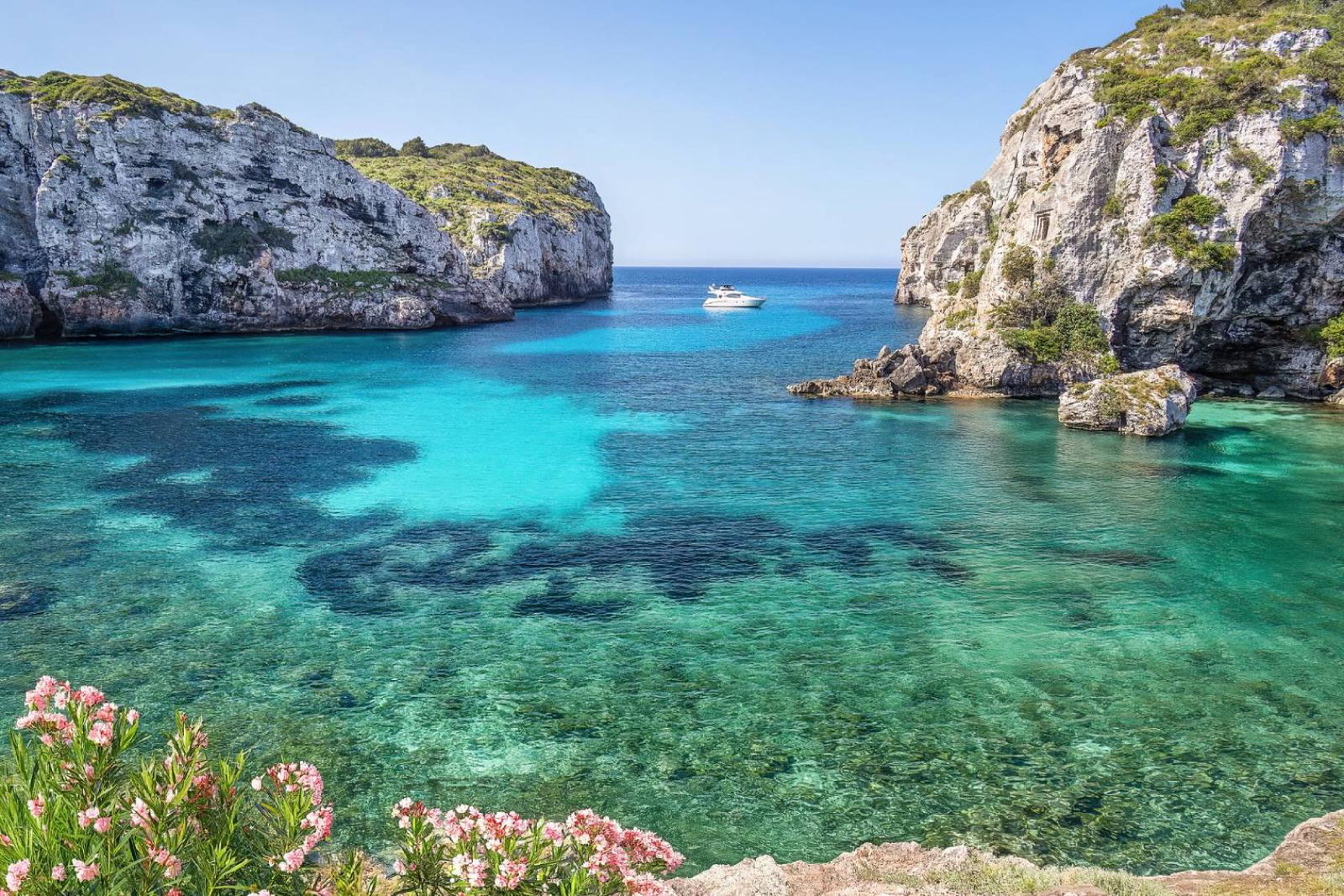
Destination-level environmental initiatives are also being scaled, with easyJet holidays expanding its work in Menorca to combat single-use plastics. Four hotel partners have entered certification processes, with more than 100 plastic-free alternatives introduced and over 50 kilograms of plastic waste avoided so far.
Lower-carbon transport also featured prominently in the report, with more than 11,000 customers now having used electric airport transfers following easyJet's expansion from Rhodes into Antalya. The initiative has covered nearly 500,000 kilometres and is estimated to have saved more than 85 tonnes of CO2, according to the operator.
EasyJet holidays chief executive Garry Wilson said the report was intended to show how mainstream operators could drive change at scale.
"As a mainstream tour operator, we have both the responsibility and the opportunity to help shape the future of travel," he added. "This year’s Impact Report highlights the progress we’re making and, for the first time, helps quantify the wider contribution of our holidays through our partnership with Oxford Economics."