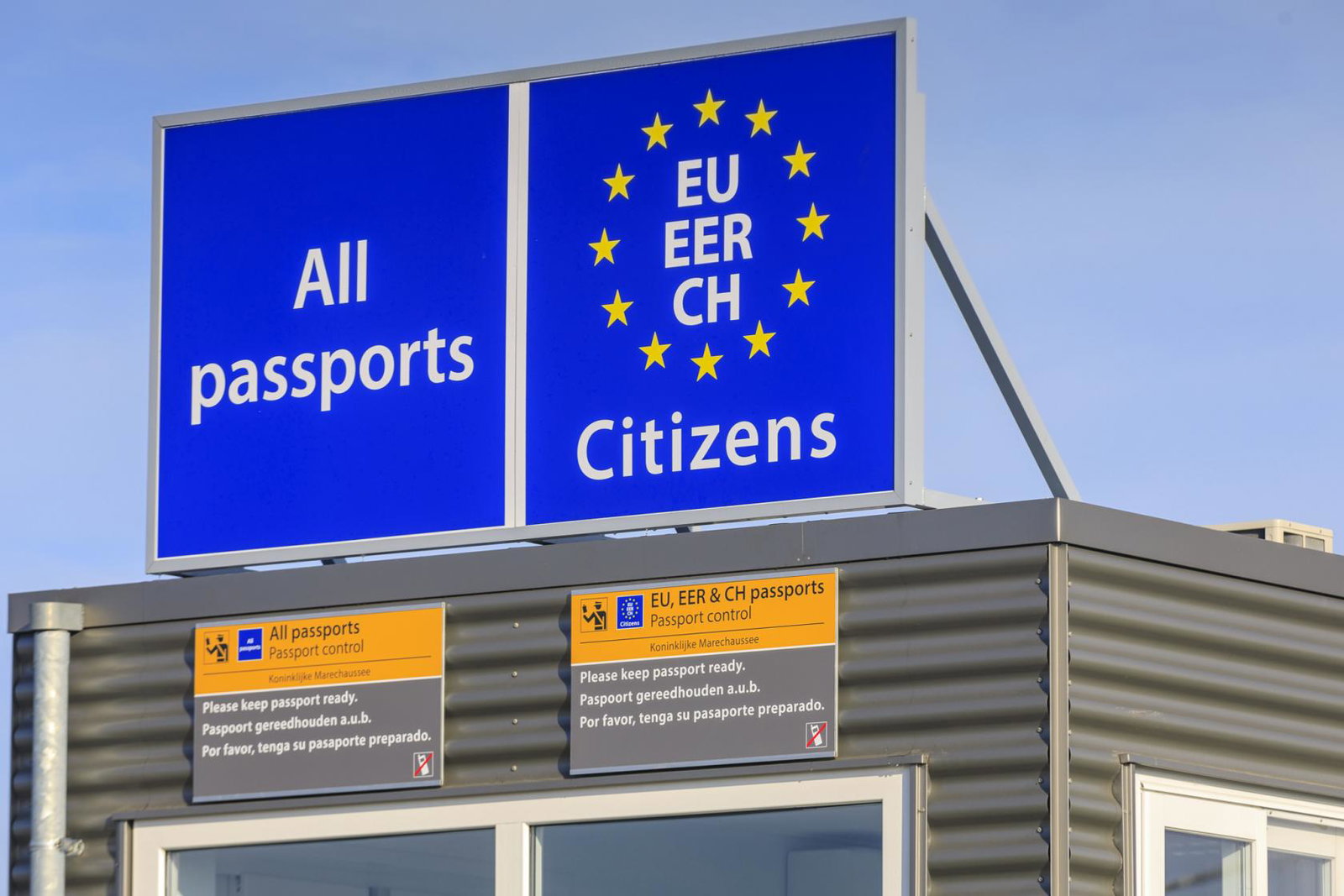
The association wrote to the European Commission this week regarding "challenges" with EES after a commission spokesperson reminded the 29 European countries participating in the scheme they have measures available to them to avoid delays.
The EU hopes to have EES fully operational by 9 April, although contingency measures will be available up to and throughout the summer, according to the commission spokesperson.
Abta said passengers' experiences of EES have been mixed so far, with some people having no issues whereas others have experienced queues or technical problems.

In December 2025, "mounting issues" with EES – including three-hour delays, regular outages and "persistent" configuration problems – were reported at several major airports across Europe.
Abta said its members have reported a lack of consistency among EU member states around the use of contingency measures, with some borders not applying them at all.
It added the "underuse of the [contingency] measures has meant that there have been occasions where passengers have unnecessarily been caught up in lengthy delays". This, Abta said, can have a knock-on impact for onward travel.
In addition to applying contingency measures, Abta has also urged border authorities to plan for peak travel periods and bring in more border guards at the busiest times.
Abta chief executive Mark Tanzer said: “The ambition of a project like EES means it was never going to go completely smoothly, and we were prepared for that.
"However, what is frustrating is that border authorities have it within their power to ease queues and deal with issues as they arise – but that doesn’t seem to be happening across the board."
He added: “As the roll-out expands and we head towards peak travel periods, we’re urging border authorities to plan for busy periods and use the contingency measure available. It’s critical the Commission keeps a close eye on this throughout the roll-out and beyond.”
What is the EU Entry-Exit System?
Following Brexit, the UK is now considered a "third country" by the EU, meaning this new border rule applies to all UK passport holders travelling to the European Union.
The regulation was originally proposed in 2016, though issues with the underlying technology meant the launch was postponed several times in 2023 and 2024, before being officially launched in October 2025.