In the travel industry, we’re no strangers to turbulence. And we're used too to navigating conflicting media narratives.
But the latest wave of urgent and inaccurate travel alerts dominating mainstream outlets and social platforms is stirring up a storm that needs to be stopped in its tracks before it causes irreparable damage to the tourism industry.
As travel professionals, we have a responsibility to push for balanced reporting, particularly when it comes to trusted mainstays of the British holiday market such as Greece and Turkey.

Despite the alarmist headlines suggesting widespread disruption, the facts on the ground tell a vastly different story. The Foreign Office (FCDO) stance confirms the situation remains stable with no travel warnings in place for the Greek mainland or its islands.
'Misinformation spreads like wildfire'
Aito's specialist tour operator members, who remain in constant contact with their local teams, report operations in Greece will continue as normal and anticipate no disruption nor change in FCDO advice.
Similarly, while the FCDO maintains standard advisories for specific Turkish border regions areas not typically frequented by tourists, major hubs such as Istanbul, Antalya, Dalaman, and Bodrum remain fully accessible and open for business.
There simply isn't any "do not travel" advice for these holiday regions. Travellers should exercise the same caution common to all overseas destinations, but nothing more.
The immense economic and reputational damage caused by clickbait reporting is immediate and measurable. Stafanos Chronopoulos from Aito member Ionian & Aegean Island Holidays notes potential customers are hesitating to book, while existing guests are calling to cancel based on false narratives.
Furthermore, anxiety is contagious, and the power of word of mouth and social media means misinformation spreads like wildfire.
Sensationalist reporting has a tangible impact on the finances of small and medium-sized travel businesses. Alarm over travel insurance validity and misrepresentation of FCDO guidance can deter families from booking well-earned holidays, directly reducing bookings and revenue.
For independent and specialist tour operators, this kind of media-driven fear translates into lost income and operational disruption, and places real economic strain on businesses that rely on every booking to thrive and, indeed, in the long-term, to survive.
Reckless headlines have consequences
As Aito celebrates its 50th anniversary this year, the importance of specialists has never been clearer. Our members offer expert local knowledge and personalised service that acts as a vital buffer against misinformation as well as crucial assistance when required.
We urge travellers to look beyond the headlines. Consult the FCDO website directly and trust in the expertise of independent operators.
Greece and all Turkey’s tourist regions remain as safe and welcoming to tourists as ever and, as clearly stated by the FCDO advice, other popular destinations such Sri Lanka and the Maldives, which have also been implicated in these reckless headlines, are equally safe and open for travel.
At the same time, it is equally important the travel industry itself stands up to sensationalist reporting and continues to advocate for balanced, responsible coverage that gives travellers the full picture.
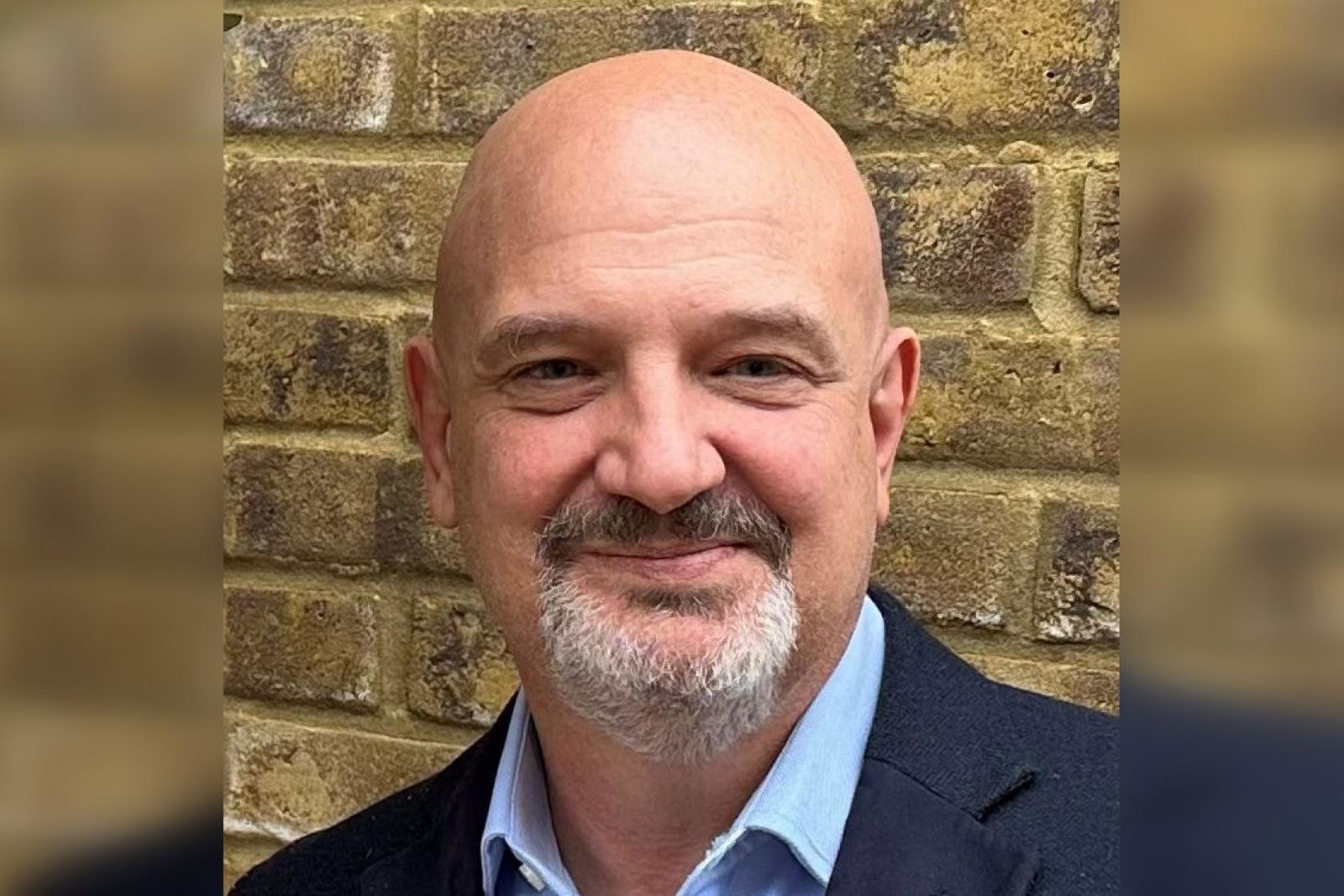
Martyn Sumners is executive director of Aito, the Specialist Travel Association.