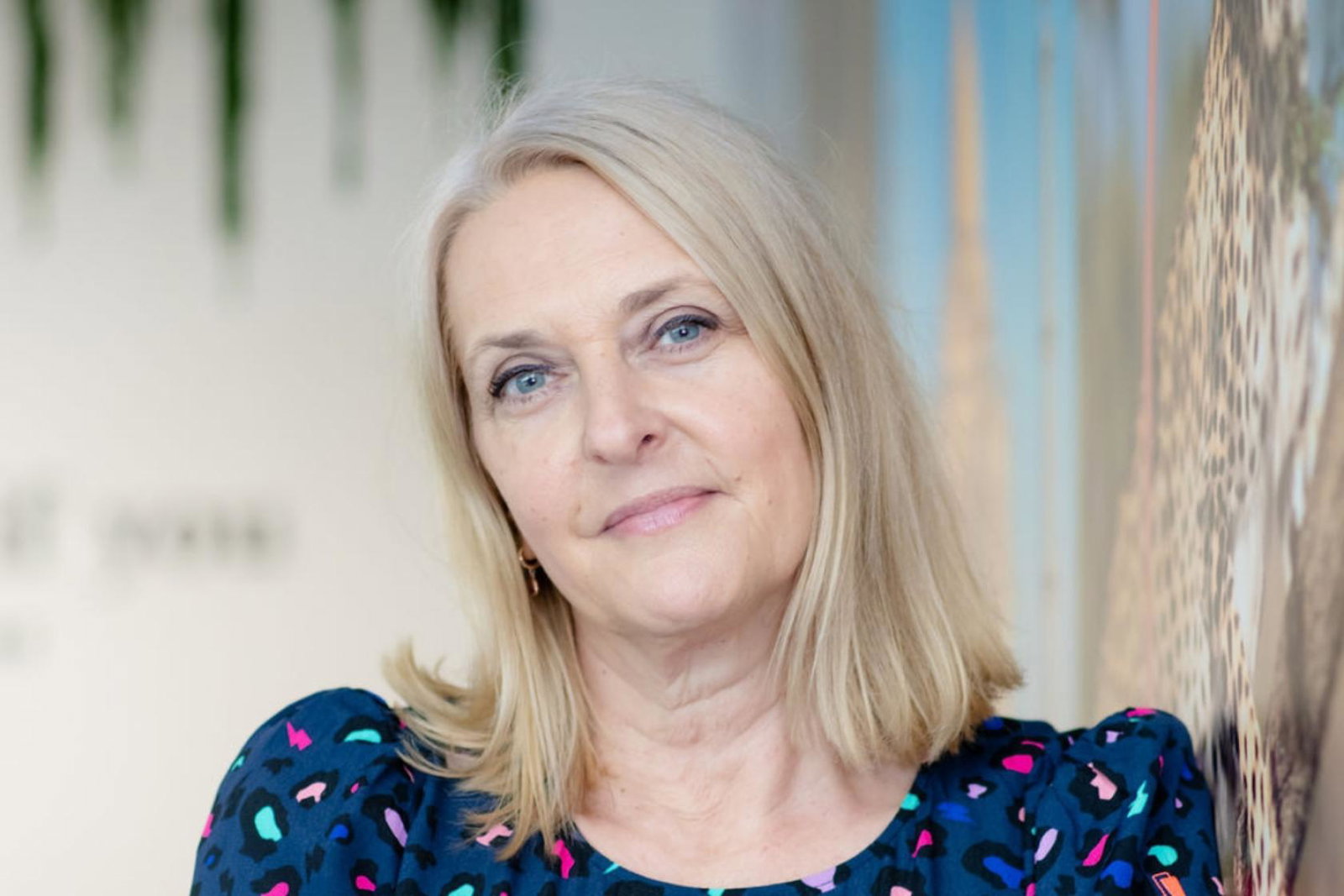
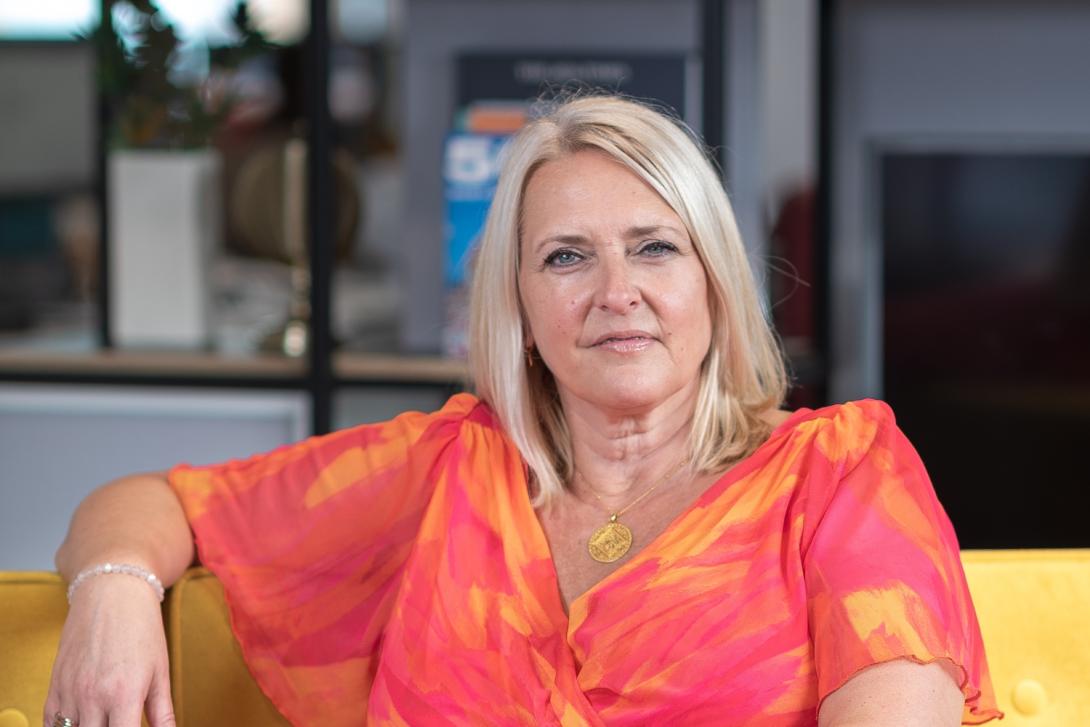
Men must be involved in the movement to stamp out workplace sexism, says Debbie O’Neill, chair of the Association of Women Travel Executives (AWTE).
The strong message comes at a thriving time for the organisation, with membership growing by 47% in the past three months alone.
The surge takes its total number to more than 150 women from across the industry, including 84 individual members and 32 companies.
AWTE attributes the influx of sign-ups almost entirely to its new LinkedIn strategy, which has placed a heavy emphasis on supporting women in both their personal and professional lives.
But with industry sexism still prevalent and less than 25% of travel’s C-suite roles held by women, the group believes it is impossible to make true progress without male involvement.
“We want to get men engaged – women can’t tackle this on their own,” O’Neill, who became Jules Verne’s first-ever female managing director in 2023, told TTG.
The travel veteran emphasised the importance of recognising male allyship, noting there are “many men in travel who are rooting for women.”
“A lot of them want to be able to support women in their business, but don’t know where to start,” O’Neill explained. “They might also be scared of getting it wrong.”
To address these concerns, AWTE is currently looking to introduce a membership tier for its male allies. The idea is still in the development stages, but would likely see men sign a charter vowing to call out problematic behaviours in the workplace.
O’Neill believes such a group is the only way to create psychological safety for women in the industry, as well as to reach those men who continue to hold misogynistic views.
“We need the men to stand alongside us and do the work with us,” she said. “If you get those guys speaking up, then hopefully the others will rethink their position. We’re not going to convince them ourselves.”
‘What has changed in 70 years?’
But O’Neill acknowledges that the path forward isn’t easy.
A 2026 report by TTG exposed the pervasiveness of sexism in the travel industry, with 46% of respondents admitting they’ve felt uncomfortable in the workplace. The survey also shed light on the pay gap and the motherhood penalty, as well as the systemic barriers that hinder women from assuming senior leadership roles.
“When you think about it, what really has changed in the 70 years since AWTE started?” O’Neill asked. “We may be allowed into men’s networking groups today – but do we even feel like we belong there? I’m not sure.”
O’Neill wants AWTE to be a place where women feel comfortable discussing the challenges they face in a non-judgmental, safe environment.
“The old adage was, ‘Don’t bring your personal stuff into work’ but we know that’s not possible – you can’t separate the two,” she explained.
From childbirth and menopause to divorce and grief, the group will unapologetically be addressing issues that have historically been considered inappropriate for workplace discussion.
“I know from my training as a coach that women thrive in community. Companies may have internal support networks, but women also need support outside their organisation, where they can step away from the hierarchy and the politics. They need safe spaces where they can be authentic and be themselves, without fear of judgement. That gives them the best chance to thrive.”
‘We want more companies onboard’
O’Neill is also keen to see more businesses take corporate membership of AWTE, arguing that supporting female employees should be viewed as an investment rather than an individual responsibility.
“We are definitely interested in getting more companies onboard,” she said. “Why wouldn’t a company pay to support all of their women? Why should one woman have to pay an independent membership fee?”
To accelerate its corporate enrolment, O'Neill has prepared a business case for AWTE membership. The one-page document, which any individual member can take to their employer, outlines the commercial benefits of signing up – from attracting more female talent to strengthening retention rates.
“Typically in business, it’s all about the numbers, and unless finance directors understand the value of signing up to AWTE, they have no reason to do it,” she said. “But I’m very focused on people – and people deliver numbers.”