During a Destinations with Heart panel session, Iceland, Thailand and Malta highlighted how they have used travel and tourism as a force for belonging, connection and shared humanity, earning plaudits for their vision and leadership.
Hanna Katrin Frioriksson, the Icelandic government's minister of industries (tourism, fisheries and agriculture), said her country increasingly felt that offering a tourism product from the heart was valued by its foreign guests owing to the number of active localised conflicts around the world and rising tension between global superpowers.

She highlighted how Iceland was consistently ranked as the safest country in the world, topping the Global Peace Index since 2008, and how it was important for visitors to feel how valued they were, given how tourism had helped Iceland’s rural communities to thrive.
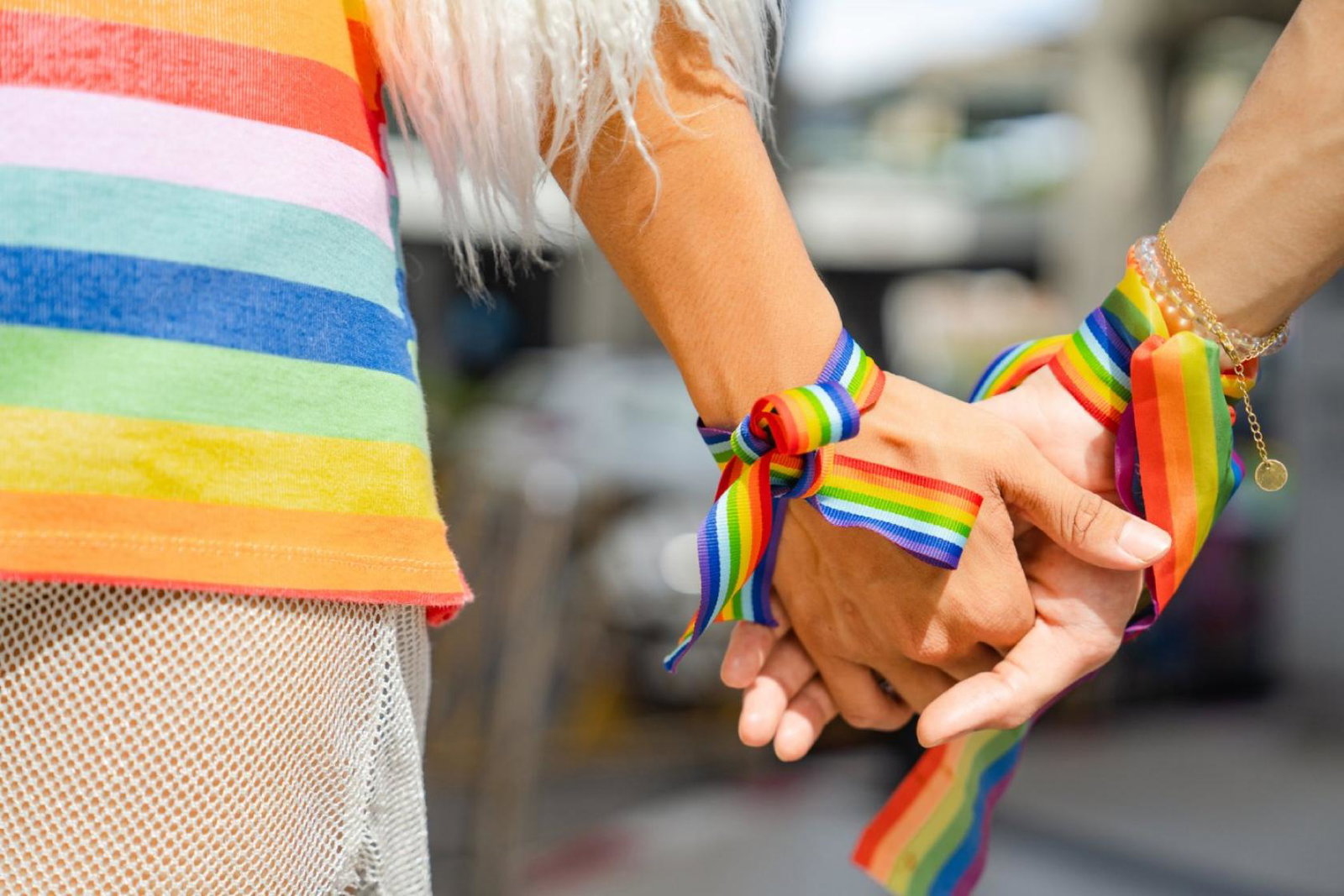
Chiravadee Khunsub, deputy governor, international marketing at the Tourism Authority of Thailand, described how tourism from the heart came naturally to Thailand, which earlier this year became the first country in southeast Asia to legalise same-sex marriage.
But even in a country such as Thailand, which has a long history of social acceptance, she said it was important to continue to improve services and products, and to “over-exceed expectations in every way".
'Inclusivity for absolutely everybody'
Tolene van der Merwe, the Malta Tourism Authority's UK and Ireland director, agreed training was vital even for destinations already considered leaders for inclusivity.
For 10 years now, Malta has topped the ILGA-Europe Rainbow Index, yet additional training was still organised for hotel staff ahead of Valletta hosting EuroPride in 2023 “to know how to welcome people from the LGBTQ+ community”.
Van der Merwe spoke about how inclusion needs to be embedded in the DNA of a destination or a business, and that it needs to be covered in every discussion point. “Asking yourself whether I am making this accessible for everybody is a complete mindset shift, but it's so important," van der Merwe
She explained how Malta was working on a project to bring its cultural and architectural assets to visitors with sight disabilities. “How can we help them to see what we see," she said. "We want to make Malta inclusive for absolutely everybody.”