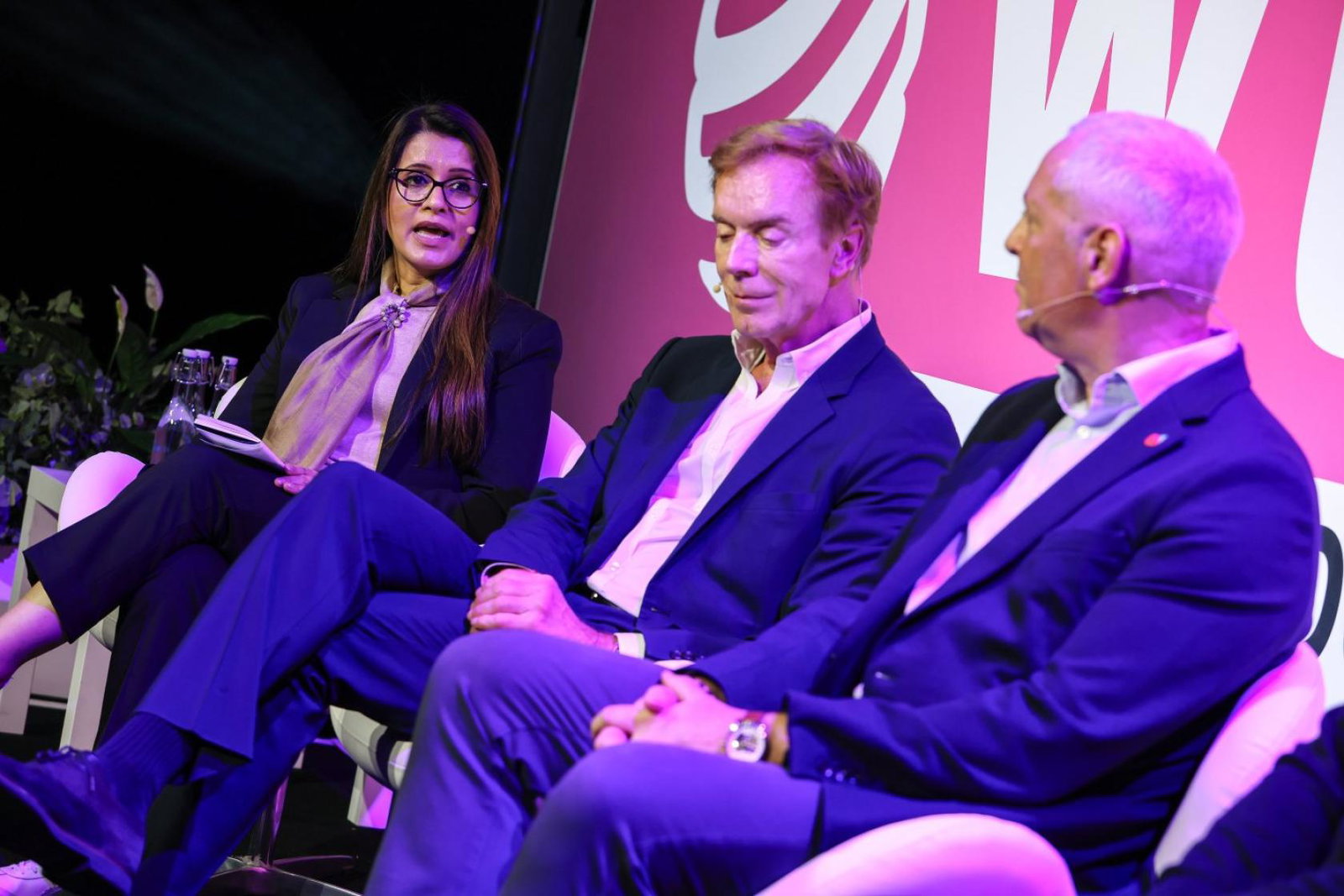
The Policies and Perceptions panel agreed the industry carried a responsibility with regards to climate concerns and expectations. However, the panel noted a lack of collaboration between different industry sectors, such as aviation and cruise.
Jane Thompson, director of aviation, travel and tourism at consultancy ICF, said businesses traditionally preferred to be competitive, but gave the example of Oneworld alliance airlines contributing to a sustainable aviation fuel (SAF) development fund.
She said growing ESG (Environmental, Social and Governance) reporting requirements were encouraging businesses to act “more conscientiously as well as be competitive”.

Thompson gave the example of airports becoming more aware of their role in contributing to overtourism, saying: “Airports have finally started to play a role in destination management. If they are behaving more collaboratively, it’s only a good thing.”
Anthony Daniels, Ponant's UK and Ireland general manager and chair of The Expedition Cruise Network, said: “There has to be more collaboration, there has to be one single voice.”
He said the current generation of expedition cruisers were not particularly interested in or engaged with sustainability, but warned "the next generation would be".
'I wish clients would care more'
Other panel members highlighted a lack of impetus on sustainability from some consumers. Transcend Cruises chief executive Hans Rood said many of his clients were from the MICE sector. “Consumers, in general, care less than the corporations. I wish the client would care more.”
He added travel needed to be more proactive: “I wish as an industry we did not wait for regulation. I think we carry a bigger responsibility than we are taking right now.”
But Nico Nicholas, chief executive of the Zeero Group consultancy, told the audience: “Governments are retracting from climate change responsibility. They’re only ever in power for about four years, so the future of our planet is in your hands. You hold so much power in your hands.”
Thompson said that part of the issue was a lack of understanding at board level. “Middle management say the C-suite doesn’t understand.” She advised: “You can upward or downward educate, at government level or with consumers.”
However, she acknowledged the issue with scaling SAF was that the public wanted to travel responsibly but believed “responsibility sits with companies facilitating my travel”.