“It describes the idea that people experience and interact with the world around them in many different ways. There is no one ‘right’ way of thinking, learning, and behaving.”
This is how Hester and Kelly Grainger, co-founders of consultancy Perfectly Autistic, define neurodiversity.
With studies estimating that 15-20% of the global population are neurodivergent (meaning they could have been diagnosed with conditions such as autism, ADHD, ADD, dyslexia or dyspraxia), awareness is rising, yet there is still a way to go on ensuring the wider population recognises, accepts and understands it.

Holidays can throw up a number of challenges for neurodivergent people. Recognising this, Tui UK & Ireland has been working on a project to make its holidays more neuro-inclusive, part of which involved training 2,500 customer-facing employees. The training was carried out by Perfectly Autistic, a consultancy set up by husband-and-wife team, Kelly and Hester Grainger, both of whom are neurodivergent and who have two neurodivergent children.
Here the pair, who have also worked with Royal Caribbean as well as other customer-facing organisations such as M&S and Value Retail, share their tips on how to take a neuro-inclusive approach to travel.
1. Take time to understand
Many people don’t even know they are neurodivergent so you won’t necessarily have someone come in and say: “Hi, I’m neurodivergent, can you book me a holiday?” Don’t judge people if, for example, they are a bit blunt, have headphones on to block out noise or may not be making eye contact. Instead, understand what they might need and go from there.
2. Make your store inclusive
Help customers understand what to expect before they enter your store. Give them a full brief: Who will they meet? How much time should they allow? What sort of questions will they be asked? It’s important to take away the unknowns.
Other things you might consider include name badges on the desks, allowing bookable appointments, avoiding overly loud music and staff eating lunch in the room. Consider children – you might have a colouring corner for under-fives but what about older ones? Reassure parents that it is ok for children to wander around – make sure they feel at ease.
3. Conversation starters
A good way to begin is to ask something like “How can I support you?” or “Are there any challenges you or your family have on a holiday?” Agents may be afraid to say anything to avoid causing offence but these questions give all customers the opportunity to let you know about anything that might affect their trip.
4. Keep it simple
When you start the enquiry ask questions with just two options initially such as: “Do you want somewhere hot or cold?”, “active holiday or beach?”, “busy or quiet?”, “Europe or further afield?” Too many questions can mean there is too much processing. In a distracting environment such as a travel agency it can be hard for a neurodivergent person to remember all the options you’ve presented. Remember this isn’t special treatment as such – if you create a level playing field then you will incorporate everyone.
5. Stay on track
Check your client’s budget, duration and how far they want to fly early on in the process. It is especially important for neurodivergent people that the agent is not egging them on. If they have never flown before and have an autistic child – don’t push them to take a seven-hour flight. Instead, ask if it is more sensible to try a two-hour flight first. Clients might also come in with a budget and end up getting carried away when the dopamine kicks in. The agent is the person keeping the client on track and helping them stick to their original brief.
Following up afterwards is important – booking a holiday can be an overwhelming experience and they may need further reassurance to go through with the booking.
6. Everyone is different
No two neurodivergent people are the same and, just like anyone else, their needs and wants from a holiday can be very different. They may prefer a smaller, quieter airport or, if they have issues with food for example, a larger airport with a broader choice of restaurants may be more suitable.
7. Preparation is key
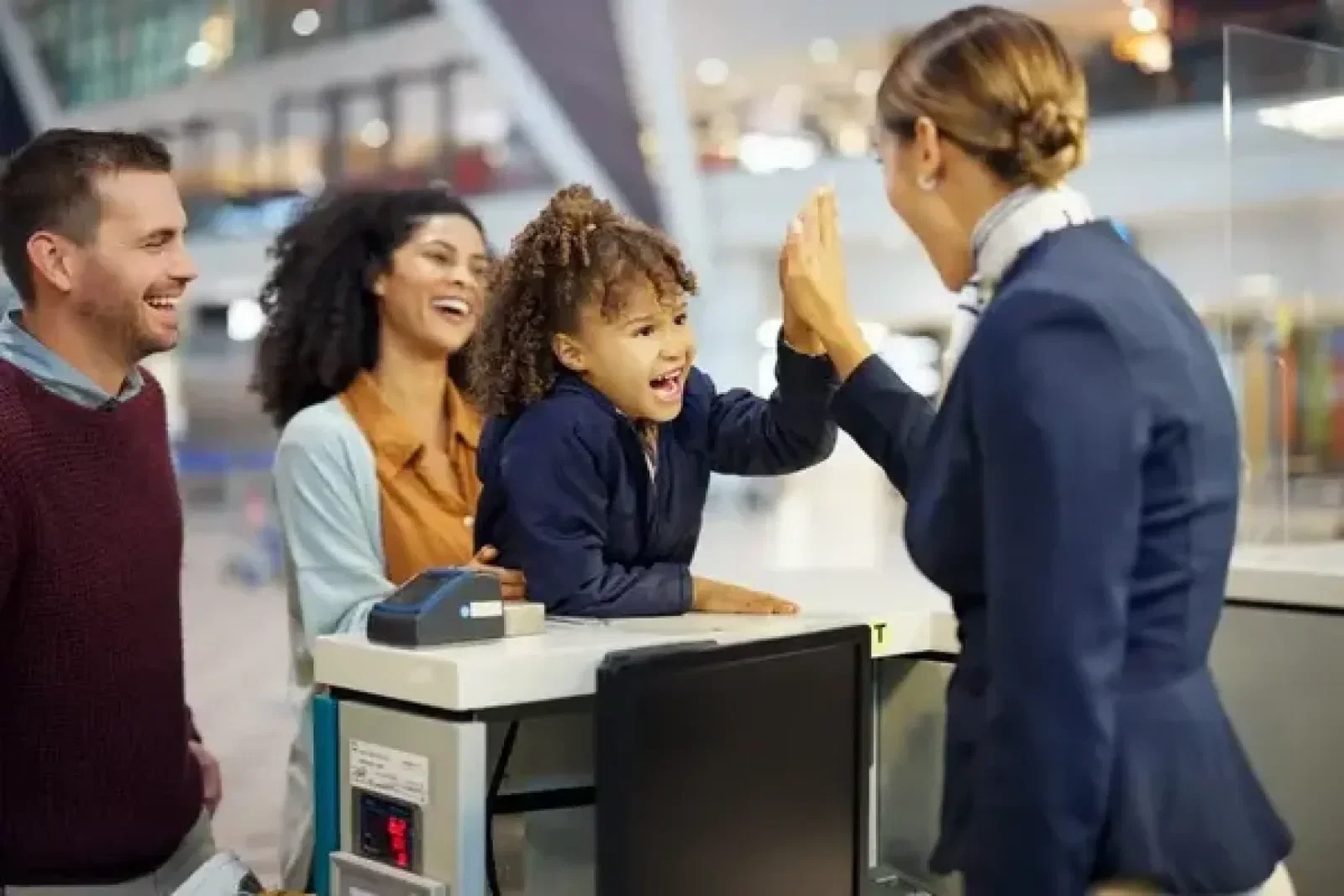
You can help by providing as much information as possible. Explain the process of going through the airport and boarding the plane. Make sure they are aware of how much extra baggage they can take. Highlight the sunflower lanyard, a global scheme that shows the wearer has hidden disabilities, and explain how it can support them on holiday. Advise them to take children’s favourite toys and snacks and prepare them with YouTube videos of airports and planes.
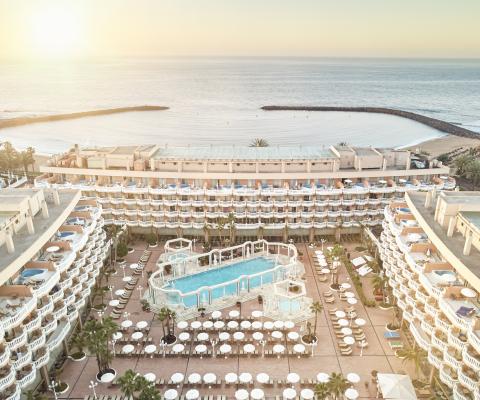
Share a virtual tour of the resort if one is available and ask for floor plans so they can familiarise themselves with it in advance. You can also let the resort know that an individual is autistic or has ADHD and if they have any additional requirements.
8. Friendly follow-up
When clients return, remember that coming home can be just as tricky as departing and they will need some decompression time. A quick friendly call to check in is likely the best approach but don’t be tempted to press for lots of feedback at this point.
Visit perfectlyautistic.co.uk for extra resources about neurodiversity