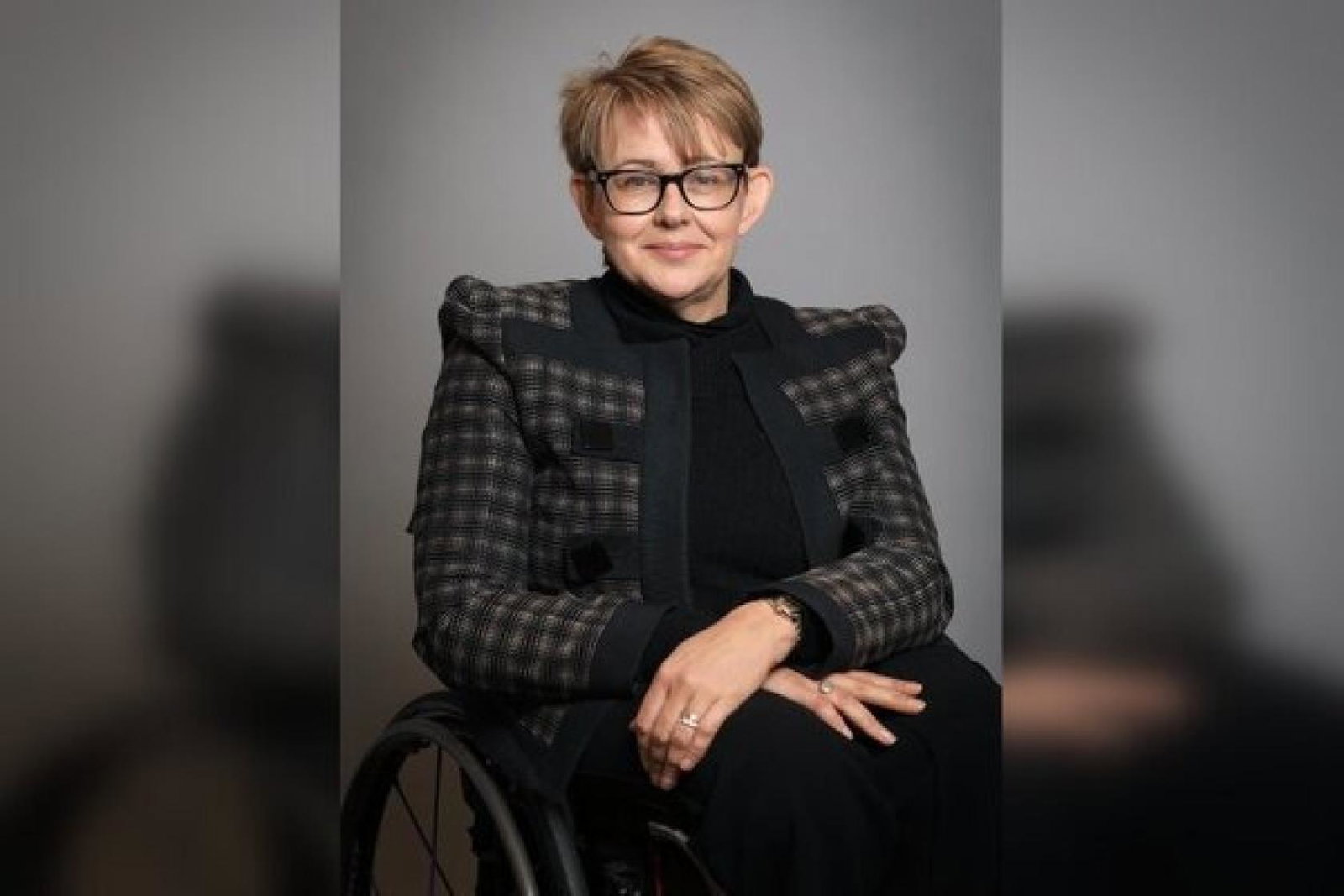
Baroness Tanni Grey-Thompson, who chaired the government’s Aviation Accessibility Task and Finish Group, said she had “no budget” and no new laws were in the pipeline. The taskforce returned its findings on Wednesday (16 July), highlighting nearly 20 "key actions".
She told the BBC: “The starting point is that I have no money and there’s no legislation planned, so we’ve had to work with the industry – partly to recognise the problem, but also to gather some solutions.”

Training was an issue, she said: “[The] training people receive is completely ad-hoc and not standardised. Anyone who has an airport pass should have an appropriate level of training, whether that’s someone that works in a coffee shop or security or is handling mobility equipment to actually understand that every passenger should be able to fly with dignity.”
She also called for more information “so people can make choices about what help they need and how they are able to navigate the system”.
She said there was an issue with determining who was responsible, for example, for making sure disabled people were able to disembark “in a timely manner” and were not left waiting for help.
“The challenge for disabled people is when it goes wrong, it’s catastrophic," Grey-Thompson continued. "One of the challenges is it’s really hard to complain or even raise an issue that can be used as learning because people assume you have the contract with the airline, but actually it’s far more complicated than that.
“When there’s low-level discrimination in most parts of your life and it’s not a great experience, most people don’t complain and it’s hard for the service to improve. This is the chance for the industry – they’ve been really supportive and been part of the whole process. This is their chance to step up.
“Even booking a ticket is overly complicated and trying to let the appropriate people know you need assistance varies for every airline.”
Grey-Thompson promised to maintain pressure on the industry. “The government might not intend to introduce legislation – it takes two years minimum – but that’s not to say myself or others won’t do something to step it up if they don’t bring about change.
“There’s been some really positive conversations with the Civil Aviation Authority in terms of standardising information, they can track data, there’s training package audits, some technical stuff behind it. We’ll see what happens.”
Abta chief executive Mark Tanzer said that while the industry had made progress on accessibility in recent years, there was always more that could be done. "Abta and our members are keenly aware of the need to ensure ravel is accessible to all [and] we’ve been pleased to have an active role on the taskforce.
"We look forward to sharing the taskforce’s recommendations with our members and being part of the new taskforce implementation group. We will also continue with our other accessibility work, which covers the whole customer journey – from booking through to travelling on all types of trips, and how to make that more accessible and inclusive.”