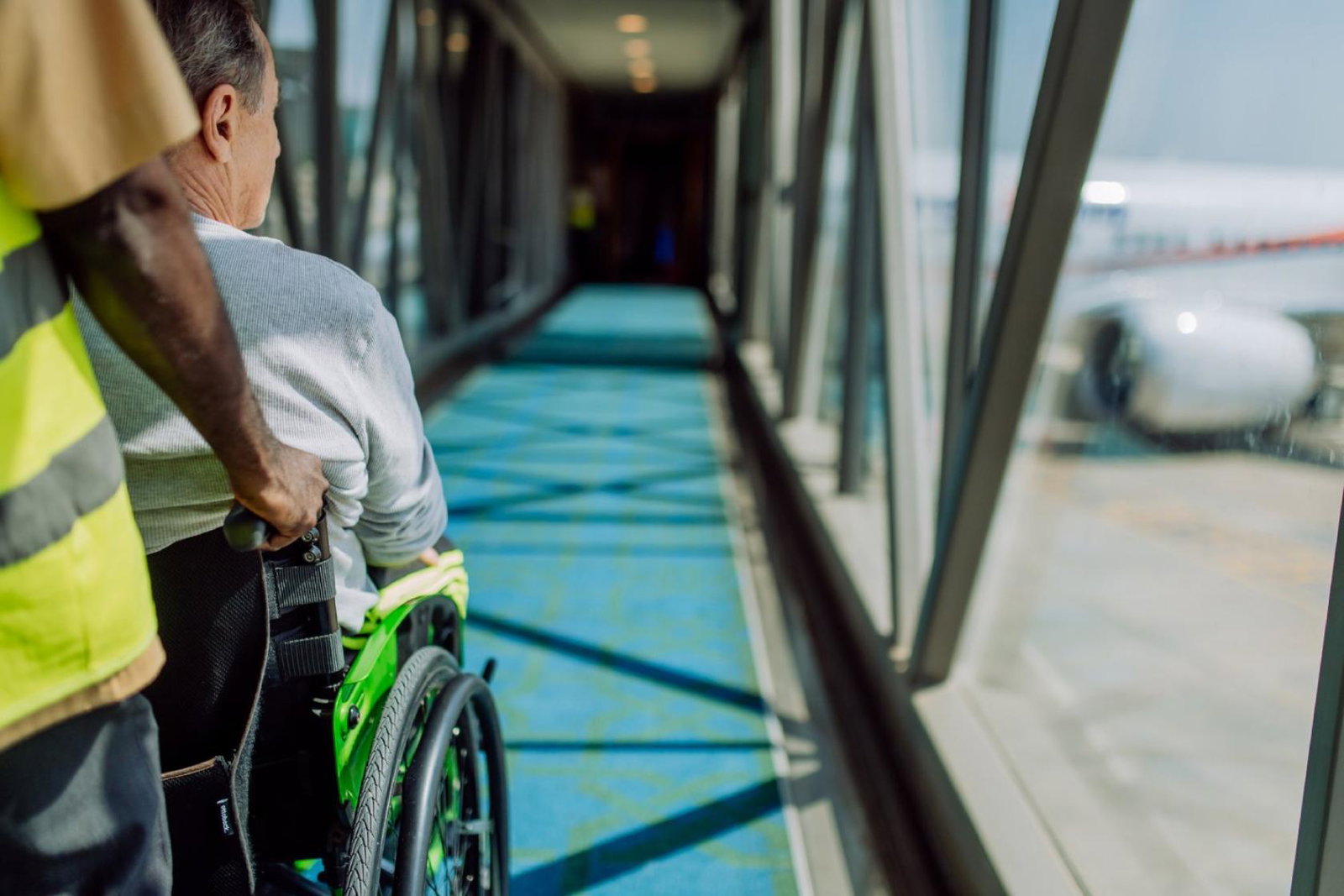
A consultation is under way, which will run until 19 November.
The CAA said: “We believe being able to access this information would be beneficial to consumers, empowering consumers to make an informed choice about travelling with their mobility aid.”
The authority said the “loss, delay or damage of a mobility aid can have a profound impact on an individual’s independence, particularly if they are unable to use their mobility aid for an extended period” – such as during a holiday.

Views are sought from airlines and airports as well as consumers and disability campaigners. The CAA said it was keen to hear from “those who we have not already had direct conversations with during our research”.
This summer, the government’s Aviation Accessibility Task and Finish Group made almost 20 recommendations to improve flying for the disabled.
Among them was better information for travellers with special needs and more staff training. Taskforce chair Baroness Tanni Grey-Thompson described training as “completely ad-hoc and not standardised”.
She admitted the taskforce had no budget and no new laws were proposed, “so we’ve had to work with the industry”.
She added there were numerous incidences of disabled passengers trying to disembark flights having to wait for assistance, with no clarity over who was responsible.
The situation prompted Limitless Travel founder and chief executive Angus Drummond to suggest direct action may be necessary. He accused airlines of seeing accessible travel as “an inconvenience – a loss-making product that doesn’t fit the model”.
Earlier this year, three airports were told by the CAA to make improvements to disabled access, but the authority stressed the landscape across the UK was improving.