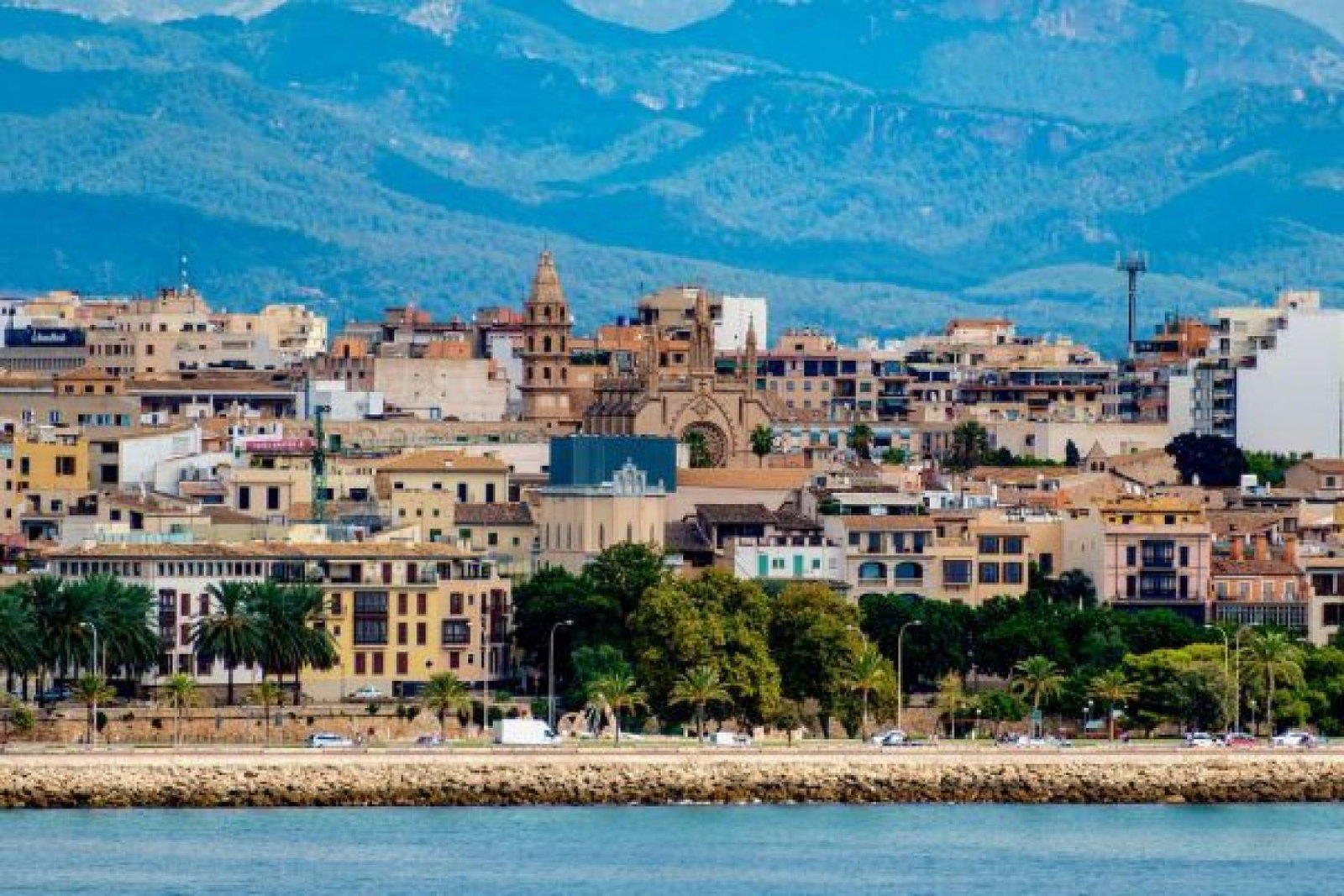
Last year, Barcelona welcomed 15.5 million tourists – nearly 10 times the city’s 1.6 million residents – while visitors to Palma hit 4.5 million; again, around 10 times more than the local population, which numbers less than 500,000.
The strain tourism places on both destinations is well documented, impacting local infrastructure and services, and creating housing shortages, and tensions between residents and visitors have bubbled over on several occasions.

Images of protestors squirting tourists with water pistols in Barcelona last summer made headlines around the world, while more recently, local activists have begged holidaymakers not to visit Majorca, warning the island "isn’t the paradise" visitors are being sold.
Speaking to TTG ahead of Spain’s annual sustainability summit, Spain Talks, industry leaders from the two destinations – despite the varying issues each faces – are taking broadly similar approaches to the challenges they face, including pursuing fewer, but higher-spending, visitors and shifting the focus of their offering to culture.
‘We’re not Disneyland’
Palma is, in just a few short years’ time, bidding to become 2031 European Capital of Culture. Pedro Homar, managing director of destination marketing organisation (DMO) Turismo Palma de Majorca 365, said holidaymakers had to recognise the island’s main city and others in Spain were unique destinations in their own rights – not theme parks.
"We’re not Disneyland, that’s not the reality of many Spanish and European hotspots," he said, with culture being one way to ensure differentiation. "We really do believe culture is going to change the tourist model, the type of people that come into the city and their motivation for visiting."
Homar insisted travel agents can play a fundamental role in Palma’s transformation by promoting the city’s most authentic experiences and not just its “magnificent beaches”, stressing too that attracting higher quality tourism could prove more lucrative to them.
"The traditional shops, the modernist architecture and the 32 palaces we have in the city – these are the things that make Palma different from other cities around Spain," said Homar. "We all have our own personality, and that’s what travel agents should be promoting.”
Homar revealed the DMO would also market to residents, such as by promoting exclusive free activities – including art courses and tours. It will start rolling out the year-long initiative in November, funded by tourism proceeds, with the aim of instilling pride among residents in their home.
"Palma residents don’t perceive the hotels and all the beautiful infrastructure we have to be part of the city’s patrimony,” Homar explained. “They think it’s just for tourists, but that’s a mistake, it’s for everyone.”
From ’Visit Barcelona’ to ’This is Barcelona’
Like Palma, Barcelona is adopting a "less is more" approach to tourism, working hard to restore relationships with residents while pushing the city’s cultural and music aspects.
Mateu Hernandez, director general of Turisme de Barcelona, highlighted how the DMO recently changed its slogan from "Visit Barcelona" to "This is Barcelona" to signify a more cautious approach to tourism.
“The new slogan [aims] to show respect to the city and, at the same time, create a sense of pride in residents,” he said. “A healthy city needs locals to be proud of their tourism industry and their visitors, and that’s why we have taken this approach, which is highly different from what we did in the past.”
Investments have been made in Barcelona Art Season and Barcelona Obertura, an annual effort to promote classical music taking place in some of the city’s top opera houses and auditoriums, while design and sport are two other areas of focus through prestigious events such as the MIRA Digital Arts Festival and the Spanish Formula One grand prix held just north of the city.
"We proud of British citizens visiting Barcelona and we invite them to come for the music, the sport, the art and the gastronomy – and then stay for the rest, which is the Barcelona way of life,” Hernandez added.
’Discover the rest’
Turespana, the Spanish government’s tourism arm, is holding Palma and Barcelona up as examples of how Spain is evolving its tourism offering with a view to placing it on more sustainable footing while defusing any flashpoints.
Director general Miguel Sanz Castedo told TTG the agency was this year running a campaign focusing on lesser-known regions of Spain in a bid to balance tourist flows more evenly across the country.
Sanz Castedo revealed that despite Spain being one of the world’s biggest destinations, tourists were typically only visiting about a third of it, with this visitation largely concentrated in areas like Catalonia and the country’s islands that are already struggling with tourism numbers.
Moreover, he said this came at the expense of spreading the positive impacts of tourism and spend to less visited areas. "For our 40th anniversary, we have decided to produce a new campaign that will focus entirely on undiscovered destinations in Spain, showcasing regions people won’t instantly identify as Spain such as Asturias, Navarra and La Rioja,” he said.
"Spain is already the world’s favourite holiday destination and people only know a third of the country so with this new campaign we’re inviting people to discover the rest."
Addressing the trade, Sanz Castedo said agents working hand-in-hand with Spain on this approach would gain a competitive edge while simultaneously promoting more responsible travel. "We’re more than willing to help agents market these new destinations, products and experiences,” he added.