This is a great place for skinny dipping,” says our guide, one of three Kangaroo Island locals to advocate for the castaway lifestyle in this way in as many hours.
And scanning the gloriously deserted beach and turquoise shallows of Pennington Bay, he’s not wrong. It may only be a 30-minute flight from the state capital, but the people of Kangaroo Island all harbour that twinkle in their eye that comes with knowledge of the infinite horizon, sunset swimming spots and hidden trails.
The island’s status as a refuge for Australian wildlife and nature saw it hit the headlines when fires hit Flinders Chase national park, killing koalas and other endangered species.
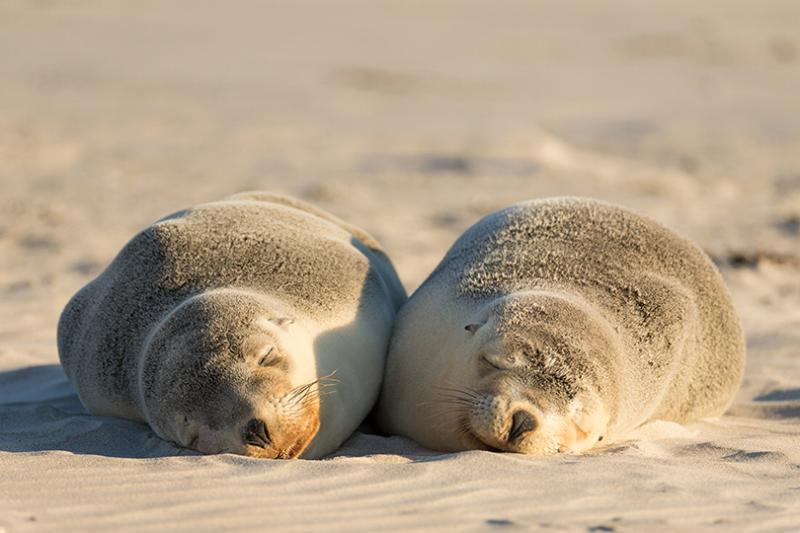
But while it’s true that the speed of the damage wrought was unprecedented, the newspaper headlines far from told the whole story, and as I wriggle my toes on the sands of the east coast after spotting sea lions and blonde echidnas on the half of the 90-mile-long island untouched by the fires, it’s clear that paradise isn’t lost after all.
Awesome Adelaide
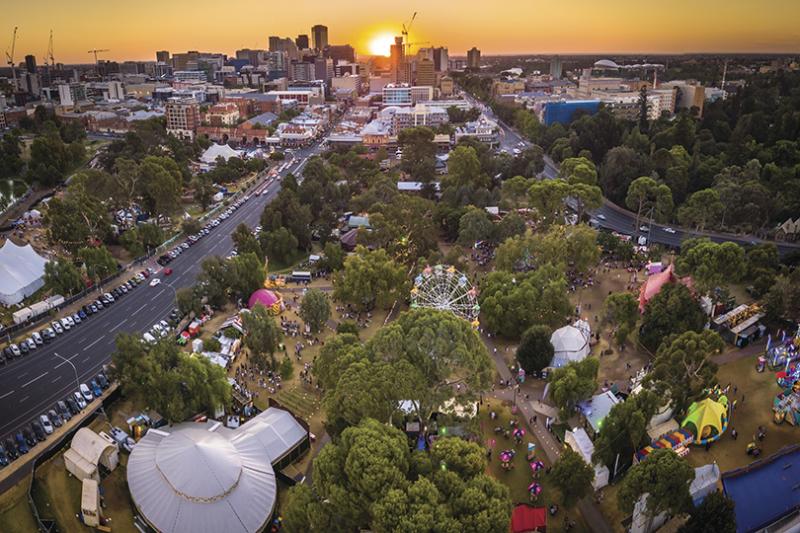
When we touch down in laid-back Adelaide the parks and theatres are buzzing with artistic and cultural events, including WomAdelaide and Adelaide Fringe, the world’s biggest fringe festival after Edinburgh.
We explore the city by electric-assisted rickshaw, trundling along jacaranda-lined streets and miniature bar-crammed laneways, waving to families floating down the Torrens river on rental boats and spotting street murals.
After a quick flight across St Vincent Gulf to Kingscote, we’re motoring along red dirt roads in a 4x4 with Gavin Mathews of Kangaroo Island Wilderness Tours, who we soon discover can spot a marsupial at 50 paces. “People who use blanket terms like ‘wiped out’ and ‘devastated’ about the burnt parts of our island don’t understand this landscape; look closely and you’ll see it’s still very much alive,” he says.
The curved limbs of gum trees that were charred black by the fires make for an eerie sight, but it’s also striking how many of them are encircled by greenery. Gavin explains how some eucalypti actually rely on fire to trigger seed dispersal, while others regenerate from fire-resistant root systems. We also find trees with scars from previous bushfires. “As confronting as it is, fire is part of our history and the darkness it brings helps us to more fully appreciate the beauty of this place,” adds our guide.
A post-bushfire silver lining for visitors is that displaced animals searching for new haunts are easier to spot than normal. We tally more than 10 koalas along a single portion of track and have to halt to allow a Rosenberg’s goanna to cross.
The lack of foxes has made it a safe haven for rare species such as the Tammar wallaby and famously tame kangaroos. While tagging along with wildlife rescuer Roanna Horbelt, it’s equal parts heartbreaking and uplifting to have our legs hugged by orphaned joeys and hear about the incredible healing capacity of animals that first arrived at her door covered in ash during the fires.
Adaptation and renewal
After a night at Mercure Kangaroo Island Lodge, we explore the east coast under the wing of Exceptional Kangaroo Island’s Ron Swan, spotting night herons and hoary-headed grebes around American river.
Over lunch, proprietor Craig Wickham reflects on how tour operators have evolved since the fires, as well as the resilience of the industry, which faced similar challenges when the national park last burned in 2007.
“We reopened mid-January with new itineraries and what’s interesting is how easy they were to create without compromising on the experience,” he explains.
“The Kangaroo Island visitor isn’t simply looking to ‘tick off’ places and, with the feedback we’ve received, we won’t be dropping these new tours once we’re back running trips in the [west].”
The next day we take the SeaLink ferry across to Cape Jervis, where we’re whisked straight to Silver Sands beach for a glass of bubbly overlooking the flat-calm waters by the team from Coast & Co.
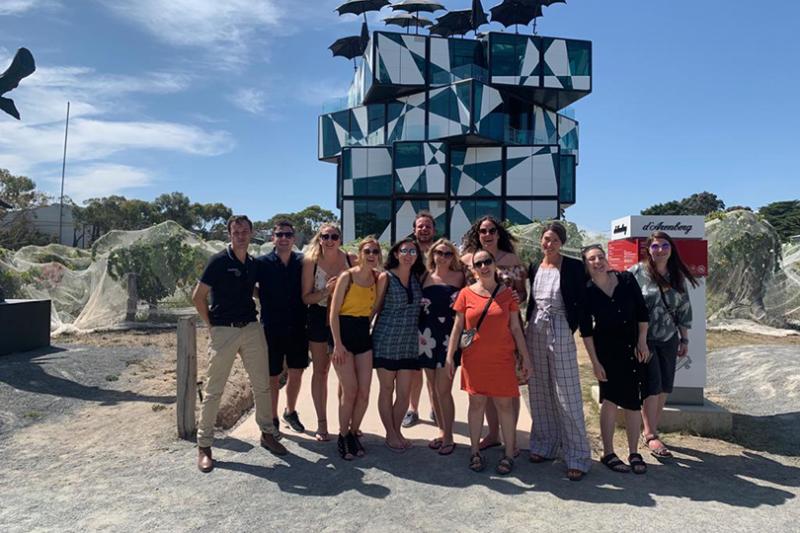
Founder and Fleurieu Peninsula local Simon Burley says his patch is receiving increasing attention as a gateway to world-class food and wine experiences beyond the bigger-name Barossa Valley.