With social media’s prevalence and the ease of email marketing these days, client magazines might seem outmoded.
But for many agencies they represent a more considered, quality approach. Winged Boots has had an annual magazine for eight years as a major part of its promotional strategy, and 20,000 copies are now distributed around peaks.
Led by head of marketing Lauren Godfrey, it’s created in-house over 10 to 12 weeks, then printed by a Winged Boots client.
“It’s a well-oiled machine between marketing, product and sales,” Godfrey says.
Dubbed The Lifestyle Brochure, its typical 164 pages are split 50/50 between editorial (on glossy paper) and brochure content (on matt).
“Our clients don’t want to be sold to; a load of offers won’t work,” explains Godfrey. Articles on itinerary planning, touring routes and Antarctica FAQs have received positive feedback. Agent and product team expertise is highlighted via travel anecdotes and reviews, while interesting clients appear in interviews.
Though there’s an e-version, Godfrey feels print’s quality and intimate feel aids “conversion through personal recommendation”. She adds: “We want it to be a coffee table book – when friends and family visit, it’s a talking point.”
This key investment accounts for 20% of Winged Boots’ promotional budget. Some costs are recouped via advertising from resorts, tour operators and lifestyle brands. Godfrey retains editorial independence, however.
Though the magazine has QR codes and the e-version click-through links, the delay between inspiration and booking means tracking return on investment is “a little loose”, she admits. “We just know anecdotally it does amazingly.” For the cost-conscious, Travelspeak is among companies providing off-the-peg magazine templates.
Used by more than 150 agencies, including Swords Travel, it features customisable content and ready-made layouts. An example 24-page digital magazine would cost £216, with the physical version £390 for a 150-copy print run.
Capturing customer insight is a key pay-off for Designer Travel, which released its fourth e-magazine in February. With turnable pages and clickable links, it’s produced in-house by business development manager Di Victory and travel advisor Laura Price. “We get a clear idea of what people are reading... hovering over,” Victory says.
Behind the Scenes includes travel inspiration and also highlights the trainings agents have been on. “[It shows] we’ve got in-house experts,” says Victory, adding: “When you’re a homeworker, you can be a bit faceless.” Currently bi-monthly, the magazine’s frequency should soon double. Part of Victory’s intention is to reduce reliance on volatile social media.
Print fans
Virtuoso has had a publication since 1988 and Virtuoso, The Magazine recently gained a dedicated UK edition. It goes to members’ and advisors’ most valued clients and inspirational content includes off-the-beaten-track destinations.
“The experience of a thoughtfully curated magazine is simply different,” says print fan Helen McCabe-Young, senior vice-president of marketing. “Our focus is not ‘book now’ messaging, and is more relationship-based.”
However, readers do often book the experiences featured. “Engagement is exceptionally strong, with readers spending 92% more on their travel compared to Virtuoso clients who don’t receive the magazine,” McCabe-Young adds.
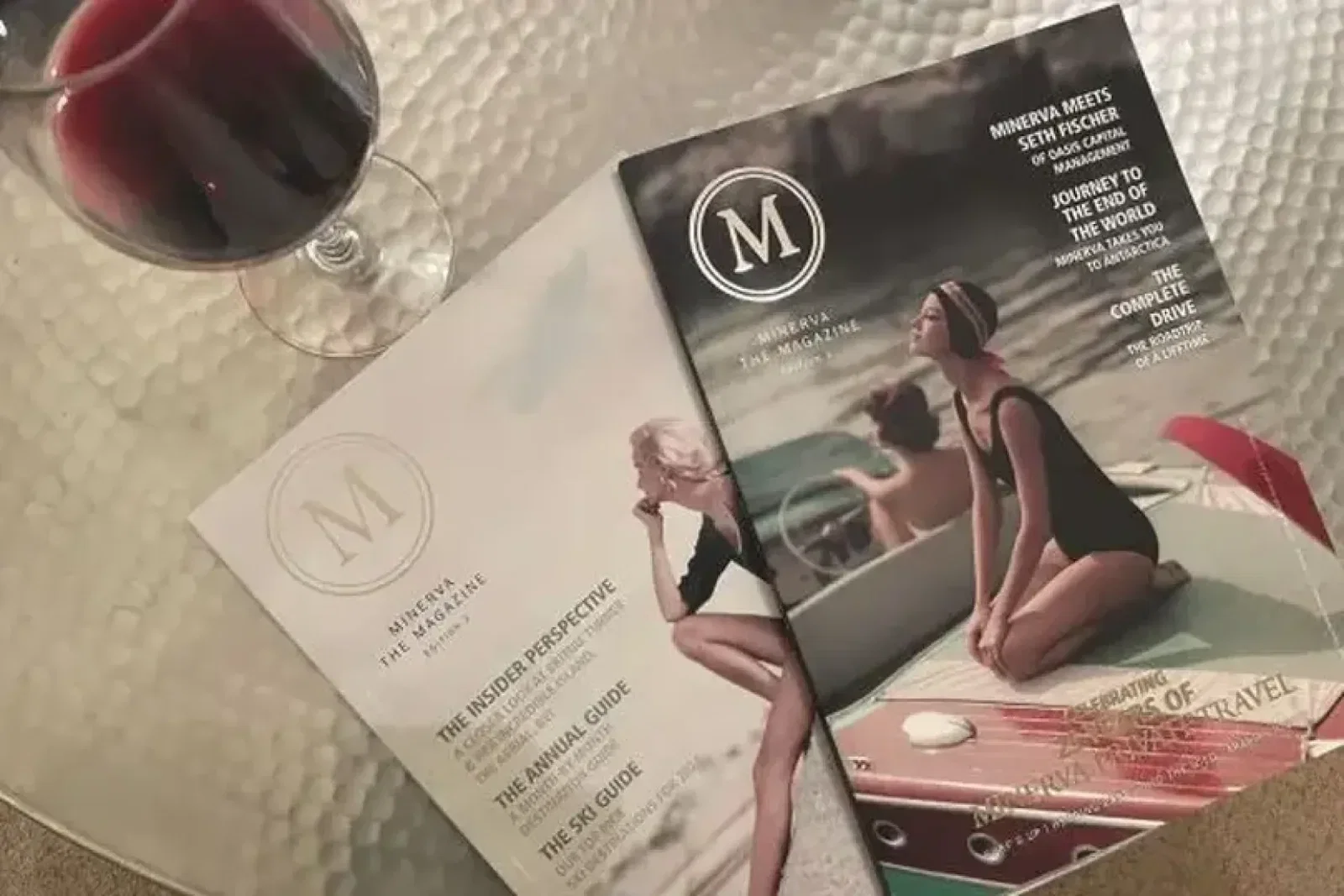
When Amanda Teale, managing director of Minerva Private Travel & Lifestyle Management wanted to increase communication, she chose print as clients resented email overload. The resulting bi-annual magazine also has an e-version on request. “Two editions a year is just right as clients look forward to it,” she explains.
Content is 75% travel, featuring destination inspiration and interviews with suppliers such as DMCs and Minerva’s jet provider, while the rest of the magazine covers art, fashion and fitness.
It’s been a major investment, with Teale recruiting an editor, assistant editor and writer. The likes of Bentley and major hotel groups advertise, but she limits commercial content.
“We don’t want to be seen as biased,” she says. Instead, she uses some of the proceeds from her agency’s strategy of charging fees of 3.5%. “That has enabled me to enhance what we offer our clients,” she enthuses. “So many people have booked things they’ve seen in the magazine.”