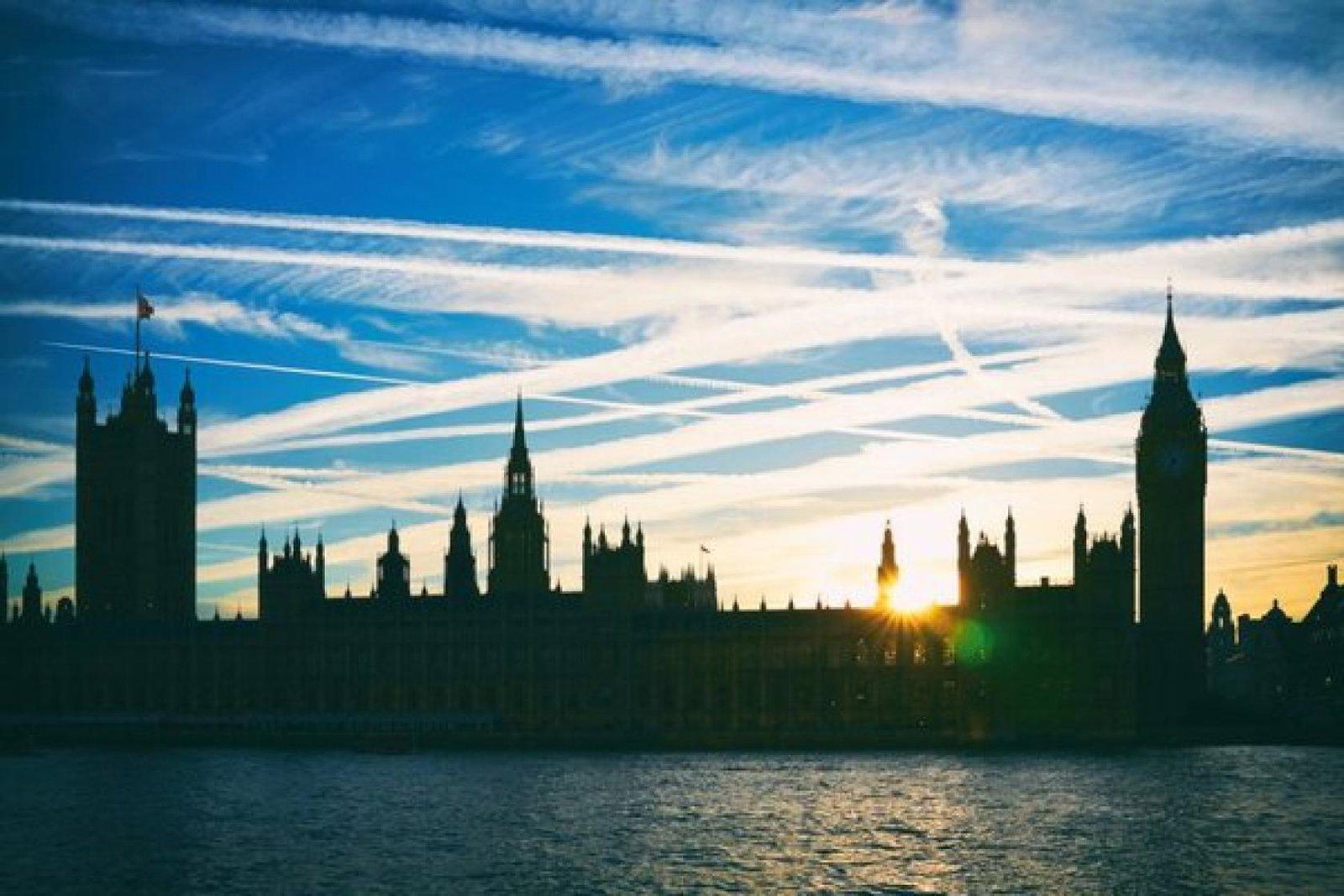
The 2024 election may not have had the slogans or celebrity sparkle of 1997, but the familiar story of division and sleaze in the incumbent government meant voters craved change every bit as much.
Labour’s promise to “kick start economic growth” and support small businesses struck a chord with many, including those in the travel industry, where businesses were still trying to recover from the pandemic – battling debt and grappling with over-regulation and red tape.

So one year in, has Labour delivered? The Autumn Budget was a rocky start. Instead of measures to drive growth, businesses faced rising wage costs and greater employee benefits to budget for, increasing the burden on SMEs already feeling the pressure.
Aito had hoped Labour’s commitment to cutting red tape would provide some relief. Yet the recent consultation on reforming the Package Travel Regulations looks, disappointingly, like a missed opportunity.
Instead of fulfilling the objective of balancing the needs of consumers and businesses, the proposals offer no meaningful reform. SME travel businesses will, therefore, remain burdened by over-complex and disproportionate regulation, with no recognition of their size or limited resources in comparison to larger operators.
They will also continue to face the significant consequences of being held financially responsible for disruption beyond their control, effectively being forced to act as insurers of last resort.
It leaves little hope for the long-delayed reform of Atol, which caused shockwaves when it was raised in 2021 during a period of unprecedented instability. This remains a source of uncertainty for many SMEs, with the fear of additional constraints looming over them.
Mixed messaging from government isn’t helping. In public, ministers have said outbound travel is as vital as inbound – but actions suggest otherwise. Increases to Air Passenger Duty, and the shift from the Tourism Industry Council to a domestic-facing Visitor Economy Advisory Council, seem to marginalise outbound travel’s key role in the UK economy.
It’s not all bad news. There are signs of promise, with the UK-EU deal potentially paving the way for a youth mobility agreement, and the ability to use e-gates abroad could vastly improve the consumer travel experience. Progress on airport expansion is also encouraging for many. Coupled with investment in sustainable fuels through the SAF mandate, it shows some much-needed forward thinking.
While many remain sceptical, the real positive is that MPs and officials appear willing to engage and take time to listen. This is where Aito, alongside our partners in the UK Outbound Travel Group, continues to play a vital role – lobbying for our members and connecting them with decision-makers through roundtables, conferences and MP visits.
These conversations matter. They bring home the reality that challenges caused by over-regulation don’t just stifle growth – they threaten survival.
Despite everything, our sector remains impressively resilient, and continues to innovate, creating exceptional travel experiences, supporting 360,000 UK jobs and contributing £52 billion in gross value added (GVA) to the UK economy.
We can continue to thrive and deliver on the government’s growth strategy. But to do so, we must be treated as a partner, not as an afterthought. One year on from the election, the rhetoric is promising, but we need action.
Christina Brazier is head of industry affairs at Aito.