





Toureasy has invested in 100 tonnes of offsets in advance of its launch, covering 10% of its expected festive break programme offset requirements. It will continue to cover the offsetting of all its holiday and business operations, funding projects across the globe – including tree planting.
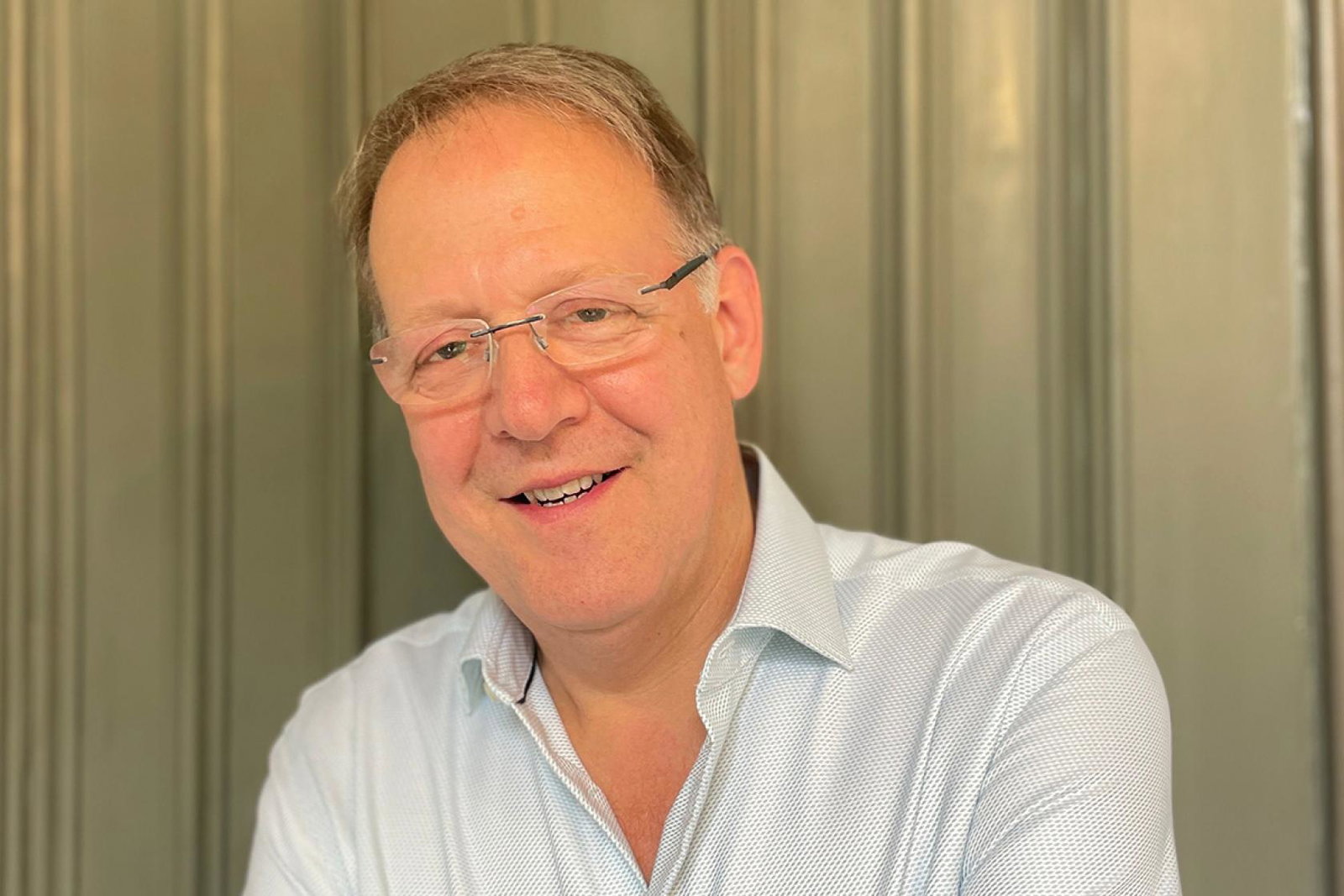
Founder Sean Taggart leads a team of seven staff backed by unnamed “angel” investors, including some from the travel industry. He was previously with group travel specialist Albatross and chaired the Coach Tourism Association for 10 years.
He and his team have spent a year on Toureasy’s launch. “The pandemic has changed elements of consumer behaviour that creates an opportunity," he told TTG. "The sustainability angle was not necessarily the starting point. It’s fundamentally about great-value short breaks in the UK, but it plays on all the issues we have around climate.”
Taggart said he planned to carry 15,000-20,000 passengers next year, and would target a younger age group than the traditional coach tour demographic.
“We want to position ourselves as not simply the home from home for the traditional coach traveller," he continued. "My sustainability curve has really accelerated over the past year, so it is an opportunity to match the two – unless you are going on your bike or walking, there is no other more climate-friendly way to go on holiday.”
Taggart said Toureasy had “first mover advantage” but admitted there was nothing to prevent others copying the carbon neutral offer. “If we are the catalyst, I don’t mind.”
Open to agents
Toureasy will use partner coach and hotel operators but will not initially brand the vehicles. Taggart said: “We expect to work with partners that take sustainability seriously, it will be a central theme of working with Toureasy.”
Its first festive programme will be sold mainly direct, with a lead in of £79 for a two-day tour. “We are open to working with agents that want to work with us, but it’s a difficult time for the industry,” Taggart said. “We have a concern around financial protection of agents, particularly as furlough winds down. We may not start working with them until 2022.”
He said future sustainability goals depended on developments to replace diesel powered vehicles but admitted there were obstacles: “There is research around hydrogen. Hydrogen buses are fine, but they have a very short range. Coaches are a different proposition.”