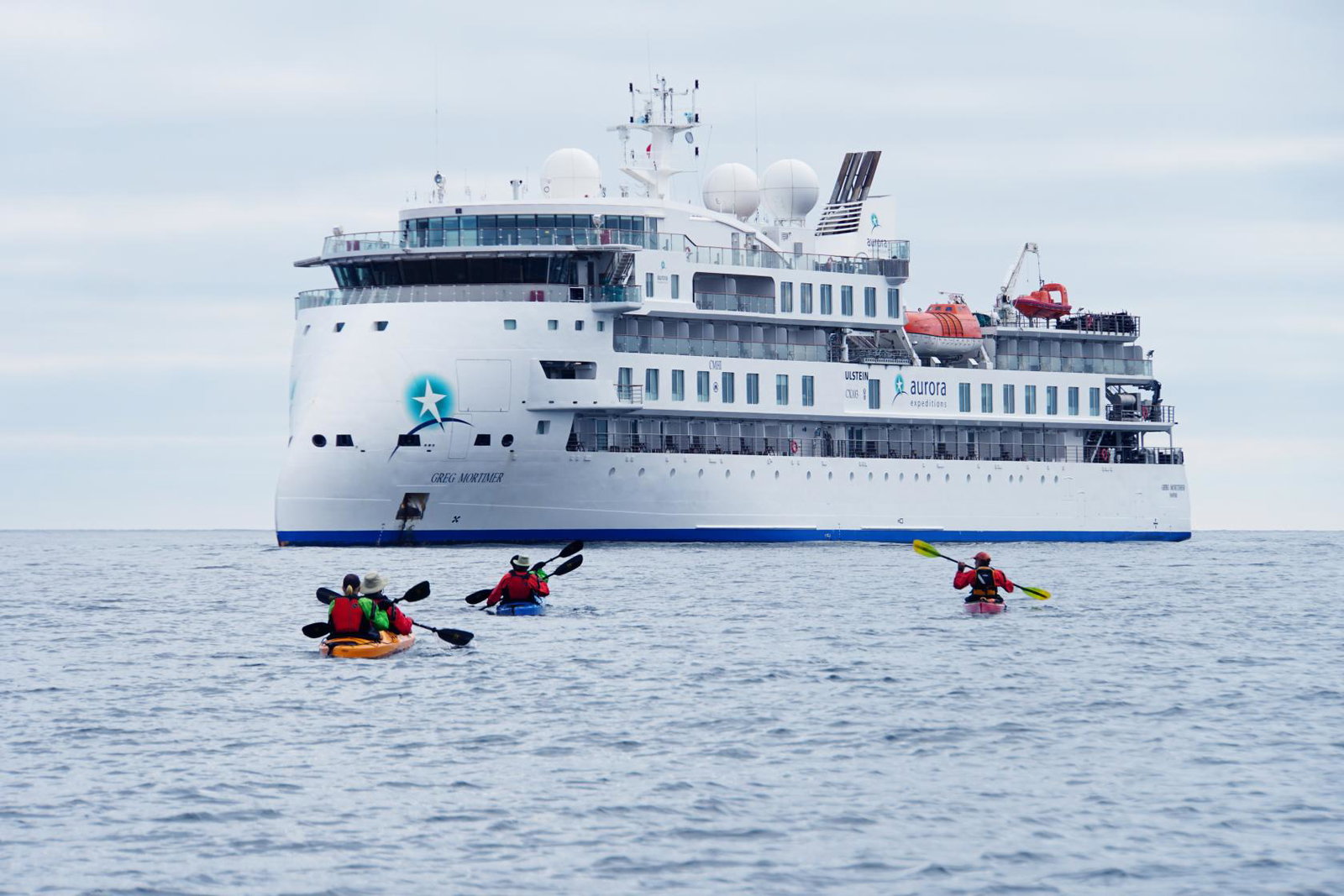
Drawing on insights from more than 700 expeditioners, the findings show a more considered traveller emerging — one focused on access, depth of experience and meaningful connection to the natural world.
Wildlife and nature encounters remain the strongest motivator for expedition travel, cited by 74% of travellers, followed by adventure and exploration at 70%. Bucket-list experiences (33%), learning and enrichment (29%) and photography (29%) also rank highly, reflecting demand for journeys that combine aspiration with deeper engagement.
When choosing an expedition operator, travellers prioritise the expertise of the expedition team (95.3%), followed by itinerary (94.2%), small ship size and fewer guests (93.3%) and landing opportunities (92.9%). The findings reinforce that expedition travel is defined more by time spent in destination than onboard amenities, setting it apart from traditional cruising.
The research also highlights strong repeat engagement, with around 20% of AE travellers returning to explore new regions and experiences. Expedition travel continues to appeal to a broad range of guests, with 58% travelling as couples and 26% travelling solo. To support growing solo demand, AE Expeditions offers dedicated solo cabins aboard Douglas Mawson and up to 10 solo staterooms per sailing with no single supplement on upcoming voyages.
Justin Ewin, AE Expeditions Global Head of Product, said travellers are increasingly focused on “how” they experience destinations, valuing expert guidance, access and immersive time off ship. He said AE’s small-ship approach and experienced expedition teams continue to create more meaningful connections with the world’s most remote places.
The findings reflect broader growth in experience-driven travel. During its latest Antarctic season, AE Expeditions operated more than 30 voyages, delivering over 800 landings and thousands of off-ship experiences, supported by a 1:7 expedition guide-to-guest ratio.