






Industry figures suggest the twin pressures of ongoing geopolitical uncertainty and new border operations are complicating both short- and long-haul travel in the run-up to one of the busiest periods of the year, even as underlying confidence in, and demand for, holidays remains resilient.
Launched last October, the EU Entry-Exit System (EES) will be fully operational from 10 April, but the system is already causing issues for Brits transiting EU borders, with Abta warning the Easter period will likely be the "biggest test yet" of EES.
The system replaces manual passport stamping with biometric checks for non-EU travellers entering and exiting the Schengen area, requiring passengers to register their fingerprints and submit to facial scans.
Air passenger rights group AirHelp has warned the new system could trigger knock-on disruption at airports, particularly during peak periods. Travellers are being advised to allow significantly more time for journeys, with at least four hours recommended for connecting flights.
'Catastrophic' disruptions predicted
Olivier Jankovec, director general of Airports Council International (ACI), has urged the European Commission to fully or partially suspend EES during the entirety of the 2026 summer season in a bid to prevent "catastrophic operational disruptions".
Advantage Travel Partnership chief executive Julia Lo Bue-Said has also called for EES to be suspended "flexibly" during peak demand, warning the current rollout "raises real concerns for both travellers and the industry".
According to the ACI, the latest data collected from airports across Europe shows a "continued deterioration" in waiting times at border crossing points, with some of the "fundamental challenges" previously identified remaining largely unresolved.
These include shortages of border control staff, technical and maintenance issues with the self-service kiosks, and limited use of automated border control gates, as well as continued concerns over the reliability of the central EES IT system.
The risk of disruption is being compounded in Spain, where ground handling strikes are already impacting operations at major airports including Barcelona, Madrid and Palma. Since industrial action began on 31 March, almost half of passengers travelling from Spain to the UK have experienced disruption, according to AirHelp.
Travel patterns shifting this Easter
Abta estimates more than two million UK holidaymakers will travel abroad over the Easter bank holiday weekend, with Good Friday (3 April) and Easter Sunday (5 April) expected to be the busiest days.
However, travel patterns are shifting. The ongoing conflict in the Middle East is prompting some customers to rethink their plans, with agents reporting a shift in demand towards "safer" European destinations and away from popular Gulf hotspots.
Abta said bookings remain strong for mainland Spain, the Balearics and Canaries, as well as Portugal and Greece, while city break favourites like Amsterdam, Barcelona and Budapest are also faring well.
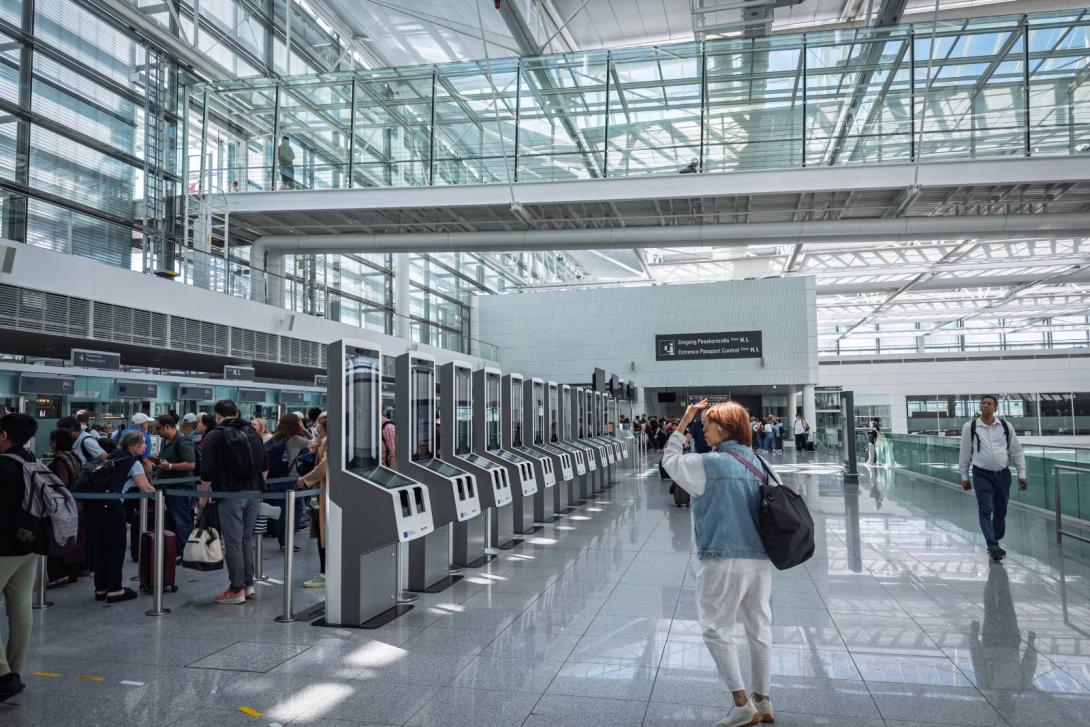
At the same time, the association warned travellers should expect a different experience at the border this year, with EES checks likely to increase processing times both on arrival and departure. It has urged customers to follow operator guidance and allow additional time for journeys.
UK government messaging has echoed this advice, with ministers stressing that while EES checks should take only a few minutes per person, queues are likely, particularly at ports such as Dover (for ferries) and St Pancras International (for Eurostar).
More than £10.5 million has been allocated to support infrastructure at key departure points in a bid to minimise disruption, according to the Home Office.
Appetite 'quelled' amid crisis
On the high street, agents report a more cautious booking environment as a result of the war in the Middle East. Tricia Lester, head of retail at Ashdown Travel in Oxted, said March had been slower than expected, with clients delaying decisions despite regular enquiries.
"People are just taking longer to commit," she said, stressing she expects pent-up demand to emerge later in the spring, with bookings likely to pick up once the Easter period has passed. "The good news is we’re still getting enquiries, so we know there is demand. It’s just about getting it over the line," she added.
A similar picture was reported by Richard Slater, owner of Macclesfield-based Henbury Travel, who described a short-term dip rather than a collapse in demand. "It’s quelled appetite for a little bit, that’s all," he told TTG, noting customers returned to his shop in greater numbers last weekend (27-29 March).
What's happening in Cyprus and Turkey?
Lee Hunt, owner of Deben Travel, warned that the loss of destinations such as Dubai, Abu Dhabi and Qatar at such a key time of year is leaving a gap that is difficult to fill. "You can’t compare it with the Med at Easter," he said. "Realistically, you’ve got the Canary Islands, possibly some Red Sea resorts, which are arguably in a similar situation. Beyond that, you’re going to struggle."
Hunt added that Cyprus bookings have fallen noticeably, both for Easter and the upcoming summer season, with Turkey likely to also be "struggling".
Speaking to TTG, Cyprus-based Co-op agent Janette Healey issued an impassioned plea for agents to continue promoting Cyprus, where there are concerns among locals tourists will avoid the island this summer owing to the conflict.
Turkey, though, has played down suggestions it has experienced a significant downturn in demand. In fact, the country claims it has seen visitation from the UK market rally in the past month, pointing to strong forward momentum heading into the summer season.
According to the Turkey Tourism Promotion and Development Agency (TGA), UK visitor numbers increased by 16% year-on-year in the month to 30 March, including a particularly notable late surge. During the final week of the month (24-30 March), arrivals from the UK jumped by 64% compared with the same period last year.
The organisation insists it remains far removed from "regional tensions", helping sustain traveller confidence, a sentiment expressed last month in the wake of US-Israeli strikes on Iran. General manager Sinan Seha Turkseven said: "British travellers have made their verdict clear. They clearly know Turkey’s holiday destinations are open, welcoming, and as spectacular as ever."
Cruise 'resilient' despite operational challenges
The cruise sector has also been forced to adapt amid continued disruption. MSC Cruises and Celestyal have both revised their deployment plans, pulling capacity from the Middle East and redeploying ships to alternative regions.
MSC Cruises has shifted its MSC World Europa from planned Middle East itineraries for winter 2026/27 to the Caribbean, including Barbados and Guadelope, while Celestyal has cancelled all April 2026 departures as it repositions vessels to the Mediterranean.
It all suggests mainstream cruise operations are highly unlikely to proceed in the Gulf region for the foreseeable future, with the 2026/27 winter season likely to be the earliest opportunity for a resumption, pending the course of the conflict.
However, the sector has shown notable resilience in spite of operational challenges, with homeworking agency Not Just Travel reporting a 16% year-on-year rise in cruise bookings for March.
The agency said its network of more than 750 consultants outperformed "challenging trading conditions", with more than half of its top 20 sellers recording overall sales growth of more than 20% year-on-year during the month.
Sales for several major cruise brands all saw significant increases in bookings, including P&O Cruises (+32%), Royal Caribbean (+54%) and MSC Cruises (+68%) and Celebrity Cruises (+20%).
Steve Witt, co-founder of Not Just Travel, said the figures underlined how experienced, client-focused consultants can outperform broader market conditions, particularly during periods of disruption. "When destinations become uncertain, clients do not stop wanting to travel; they want someone they trust to help them find the right alternative," he added.