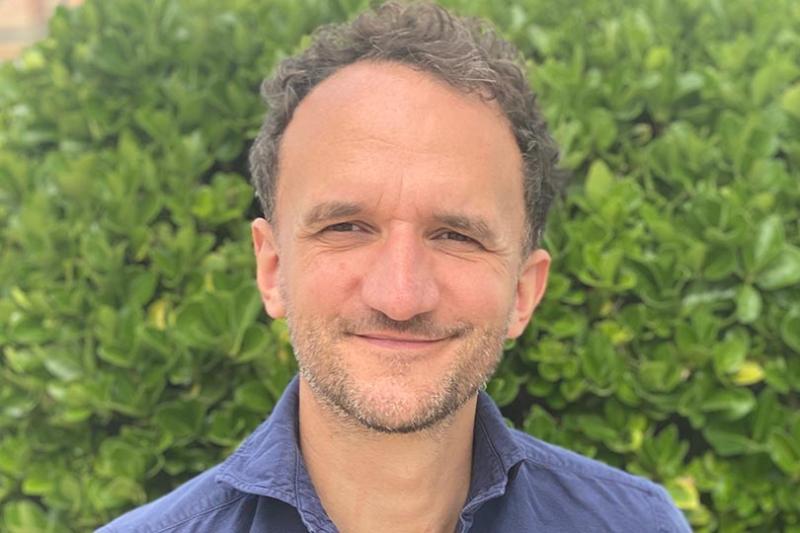
“We all have unconscious bias,” says Ricky Wilkes, founder and director at recruitment consultancy Wander, which strongly supports diversity and inclusion. “It’s about understanding we all have it and how we mitigate it. It’s important to be aware of the influence unconscious bias has and to adjust your actions accordingly.”
Unconscious bias isn’t currently widely talked about enough in the travel industry and, as Beyond Analysis’ bias expert Jordan Browne-Moore recently explained, it can cause economic vulnerability, weak brand image and stunted business growth.
However, in order to talk about it, it’s essential to understand it. Jayne Little, founder and chief executive of Skills 4, a company specialising in diversity training and consultancy, defines unconscious bias as “our automatically operated unintentional people preferences – categories formed by our socialisation, experiences and exposure to the media”.
“Put simply, people who are like each other, like each other,” she says.
Little worked in the travel industry for 10 years until 2003 and says bias was at play. Examples of unconscious bias she experienced in travel include assumptions that passengers heading for fly-cruises in the Caribbean are all mature and wealthy, or seats on flights to Menorca will be filled with families. She recalls that this was the only route where kids’ meals outnumbered adults’ meals in the plane’s ovens.
STEPPING STONES
A survey conducted by TTG Media and PwC in July 2019 stated non-white attendees at travel industry conferences number fewer than 5% and only 25% of board-level roles in travel are occupied by women. This shows that people preferences – whether unintentional or not – are rife in our industry.
While raising awareness of unconscious bias alone won’t fix these discrepancies, it’s certainly a step in the right direction. And with Wilkes pointing out that highlighting your unconscious bias isn’t something to be ashamed of, there’s no reason not to address this tomorrow.
But where to start? Looking at your recruitment process with unconscious bias in mind would be a wise step (see box). “There’s strong evidence to suggest [hirers in] the recruitment process are highly susceptible to unconscious bias, which undermines the validity of the process,” says Wilkes.