Tui’s key markets of the UK and Germany face the threat of recession due to soaring domestic fuel prices and a spike in the cost of other goods, which will impact consumers’ disposable incomes.
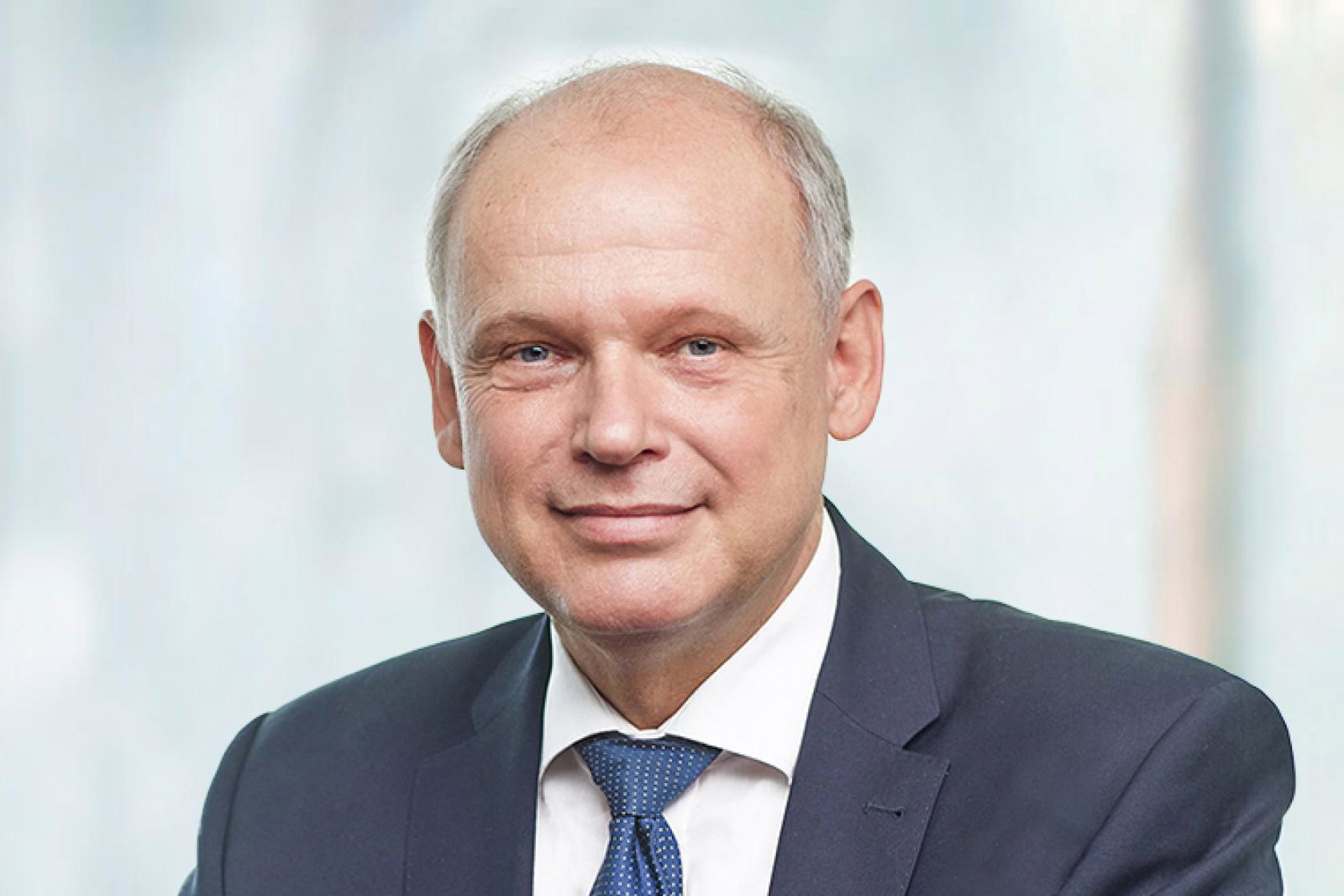
Sebastian Ebel, who takes over as Tui Group chief executive on 1 October, said the situation was “of course a concern” and could lead to fewer bookings, but added: “The budget the customer has will still be sufficient to find a good offer.”
Ebel added: “We are cautious about capacity, so that we don’t over-commit, but we still see stable demand in a more challenging environment. I would assume there will be shifts in demand from long-haul to medium-haul destinations.”
He said bookings patterns would change, predicting: “Less Caribbean, Canary Islands stable, but more towards Egypt and Cape Verde.”
Ebel added: “At the moment it’s very difficult to plan for November, even December, and even more for January, because we’re seeing a very high percentage of bookings in the last few weeks, especially cruise. We’re not back in the long-term booking trend we have seen before.”
Despite this, Ebel predicted a good winter 2022/23. “Most likely it will not be far away from winter 2019,” he said.
“We are very confident Tui will see profitable growth in future even when the market gets slightly difficult, which may happen in the very short-term future.”
In the three months to 30 June, Tui sales were at 80% of 2019 levels. July and August would be “even closer” to 2019 levels, Ebel said.
He added the Tui Group expected “record profits” in 2022 having become a leaner, more digitised company.