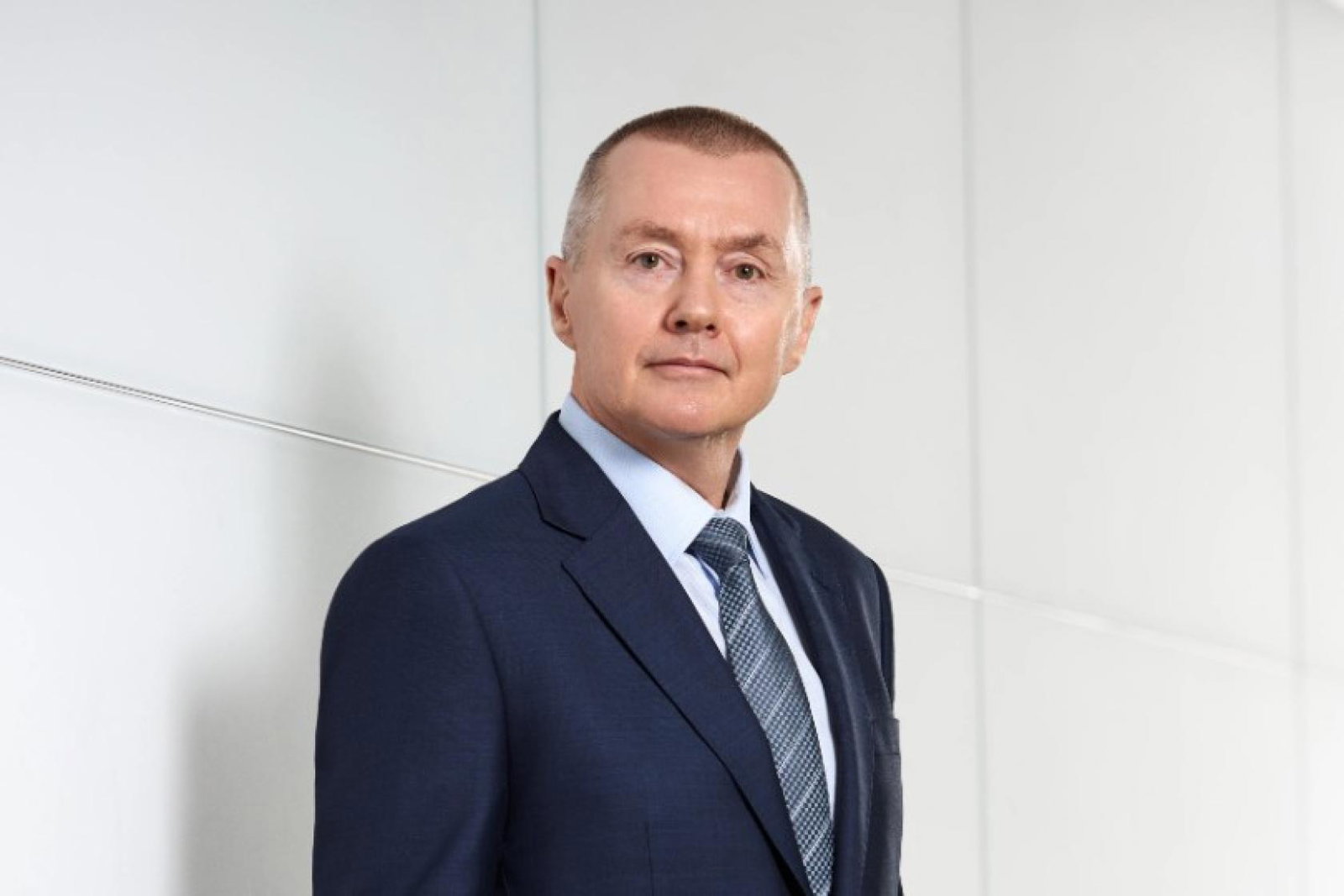
Speaking at the UK Aviation Club, Iata director Willie Walsh emphasised the value of face-to-face meetings and the "desire" of travellers to fly again.
But he further warned that by restricting travel and persisting with PCR testing, the UK had failed to capitalise on its effective Covid-19 vaccination roll-out scheme, and had "slipped behind" its EU partners.
"In terms of day-to-day life, the UK is far more pragmatic in managing Covid-19 than many other states," Walsh said.
"But its approach to travel continues to focus on restrictions which cannot be justified based on risk."

Walsh welcomed recent moves from the UK government, such as the decision to cut the number of red list countries and the proposed end to PCR testing for vaccinated passengers, but he also warned that problems remain, principally with the new post-arrival antigen test.
On 4 October, airlines at the Iata general meeting agreed to achieve net-zero carbon emissions by 2050, which Walsh described as a "bold, audacious commitment" for aviation.
"Achieving it needs all stakeholders – including governments – to play their part," he added. "Together we can make sustainable aviation a reality. In doing so, we will secure the freedom to fly for future generations."
Iata then called on the government to implement policies which target greater investment in sustainable aviation fuel (SAF) through capital grants, production incentives, government-backed loans and green bonds.
Walsh also said the UK recovery in air connectivity risks being "derailed" by an alleged proposed increase in charges at Heathrow airport. The airport’s owners are reportedly seeking a 90% increase in landing fees.
Walsh said: "It’s time for Heathrow’s shareholders to step up. They have enjoyed steady returns for years. Instead of expecting the travelling public to be covering excessive returns, it’s time for them to invest."
A Heathrow spokesperson said: "As we emerge from the pandemic, the vast majority of airports right across the UK and the world are having to increase their prices – it’s not a uniquely Heathrow phenomenon, but a legitimate response to keep airports operating and supporting their national and local economies."
"We’ve proposed a balanced increase of 4% to the average airfare which will allow us to continue targeted investment in the airport’s resilience and to maintain basic service standards."