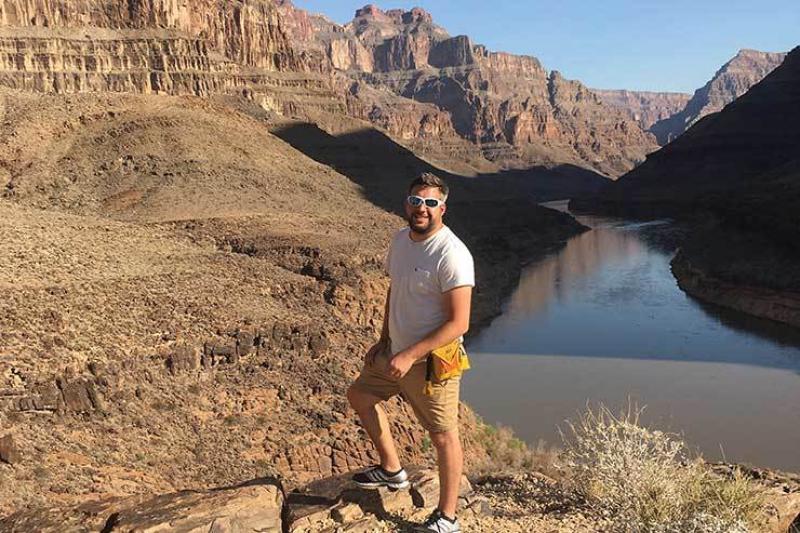
Considering his love of city breaks and theme parks, Attraction World’s new managing director would appear to have landed his dream job.
Simon Applebaum’s career in travel began in 2007 when – after a spell trying to make it as an actor, and then graduating in law – he joined Thomas Cook in a digital marketing role. He then spent 18 months at Affinion, during which time he was named one of TTG’s first intake of Tomorrow’s Travel Leaders, before joining Attraction World in 2013 as head of consumer marketing.
New boss sets World in motion
Attraction tickets
TTG Staff
23 June 2016
Simon Applebaum – one of TTG’s first Tomorrow’s Travel Leaders – became managing director of Attraction World earlier this year. He tells Pippa Jacks how he hopes streamlined product, a new approach to agent training and a website overhaul will be the ticket to growth.
Register for free to continue reading
Get unlimited access to the latest travel industry news and analysis, comment on articles and sign up to newsletters.
Register for free
Already registered? Login here or below.
Having difficulty logging in? Try these tips, or contact support@ttgmedia.com