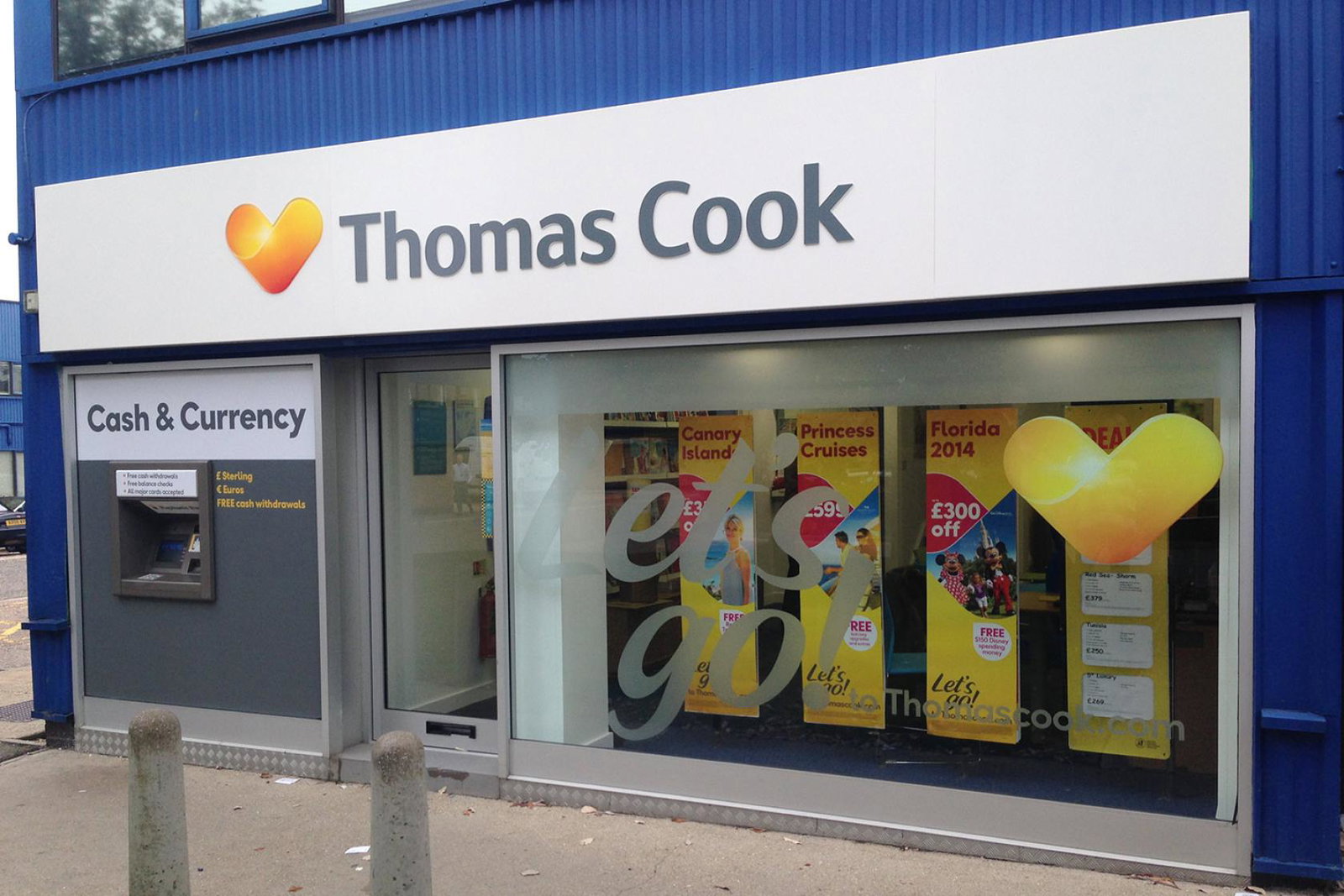
Thomas Cook’s retail joint venture with The Co-operative Group has turned a profit of £6m - despite its travel agency business posting a multi-million pound operating loss.
Although as a listed company Cook is required to report quarterly figures for the group, the finer details are to be found in separate subsidiary accounts filed at Companies House.
When the deal was announced back in 2010 many in the industry questioned the strategic value, and it now receives little publicity, with many of the original architects having departed the company.

This could partly be down to the fact that the high street constitutes a small part of the business (4% of group revenues) but also because of its poor performance. A document dated March 2013 seen by TTG revealed that only 56% of retail stores open at the time were profitable.
Yet there are still hundreds of branches in town centres across the UK, which employ 5,700 retail staff.
At the time of the merger, TCCT Holdings UK Ltd was incorporated as the joint venture vehicle with Thomas Cook taking a 66.5% stake, The Co-op taking a 30% stake and the third member, Midlands Co-operative, taking 3.5%.
According to accounts seen by TTG, this company made a profit of £6m for the year ending September 30, 2013. Most of this was attributed to finance income as a result of intra-group interest.
The accounts also contain information on the company investments, which outline the network of subsidiaries established following the landmark merger. A number of dormant subsidiaries are noted: TCCT Holdings Ltd, and Co-op Travel 2 Holdings Ltd. A third, Close Number 29 Ltd (formerly Midlands Co-op Travel Ltd), is in members’ voluntary liquidation.