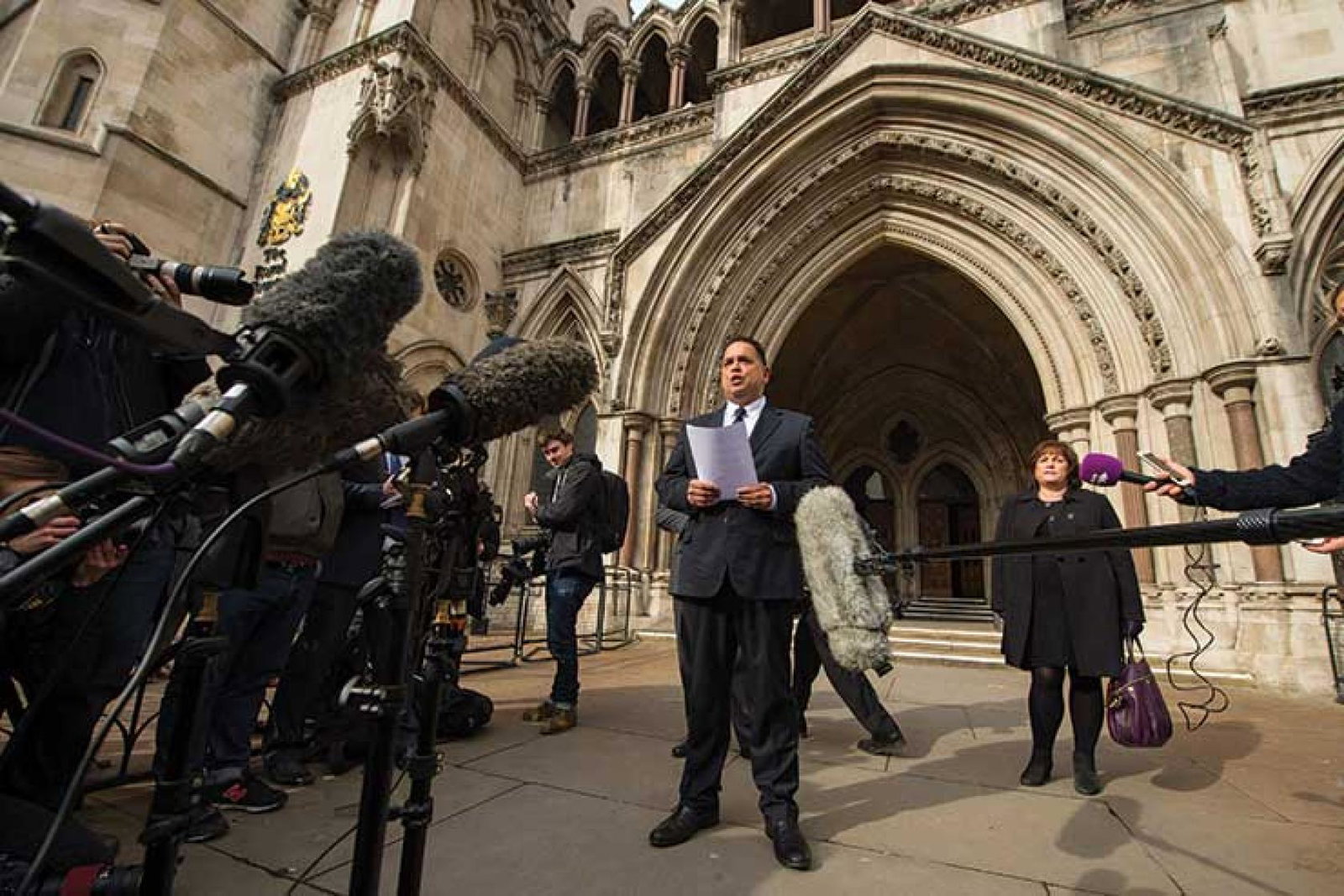
The inquests into the deaths of the 30 Britons killed in the Tunisia beach and hotel terror attack may be over, but the possibility of a civil case against tour operator Tui presents further concern for the industry.
Within minutes of coroner Judge Nicholas Loraine-Smith recording verdicts of unlawful killing for all 30 deaths (38 people died in total), lawyers acting for the families of 22 victims announced that they would be “preparing to commence civil proceedings against Tui” for damages.

During the six-week hearing, Andrew Ritchie QC, acting on behalf of law firm Irwin Mitchell which represents the majority of the families, had tried unsuccessfully to persuade the coroner to rule that “neglect” by Tui or the owners of the Riu Imperial Marhaba hotel in Sousse had played a role in their deaths.
Loraine-Smith dismissed this on legal grounds because neglect can only apply to people “in a dependent position” and could not therefore be applied to tourists who had “voluntarily agreed to go on a holiday abroad”.
Alan Bowen, legal adviser for the Association of Atol Companies, said: “If there had been a finding of neglect, then Tui would have had serious difficulty in trying to defend the case.”
Bowen added that while the coroner’s decision on this aspect was beneficial for Tui and the wider travel industry, he was concerned that if civil action was successful against Tui, it could “set a precedent”.
“I think if this case ever came to court, the consequences could be quite serious for the industry,” he said. “It would set a precedent – we have never been in a situation where tour operators could be held responsible for the actions of a criminal. This has never been a liability that operators have had to accept.”