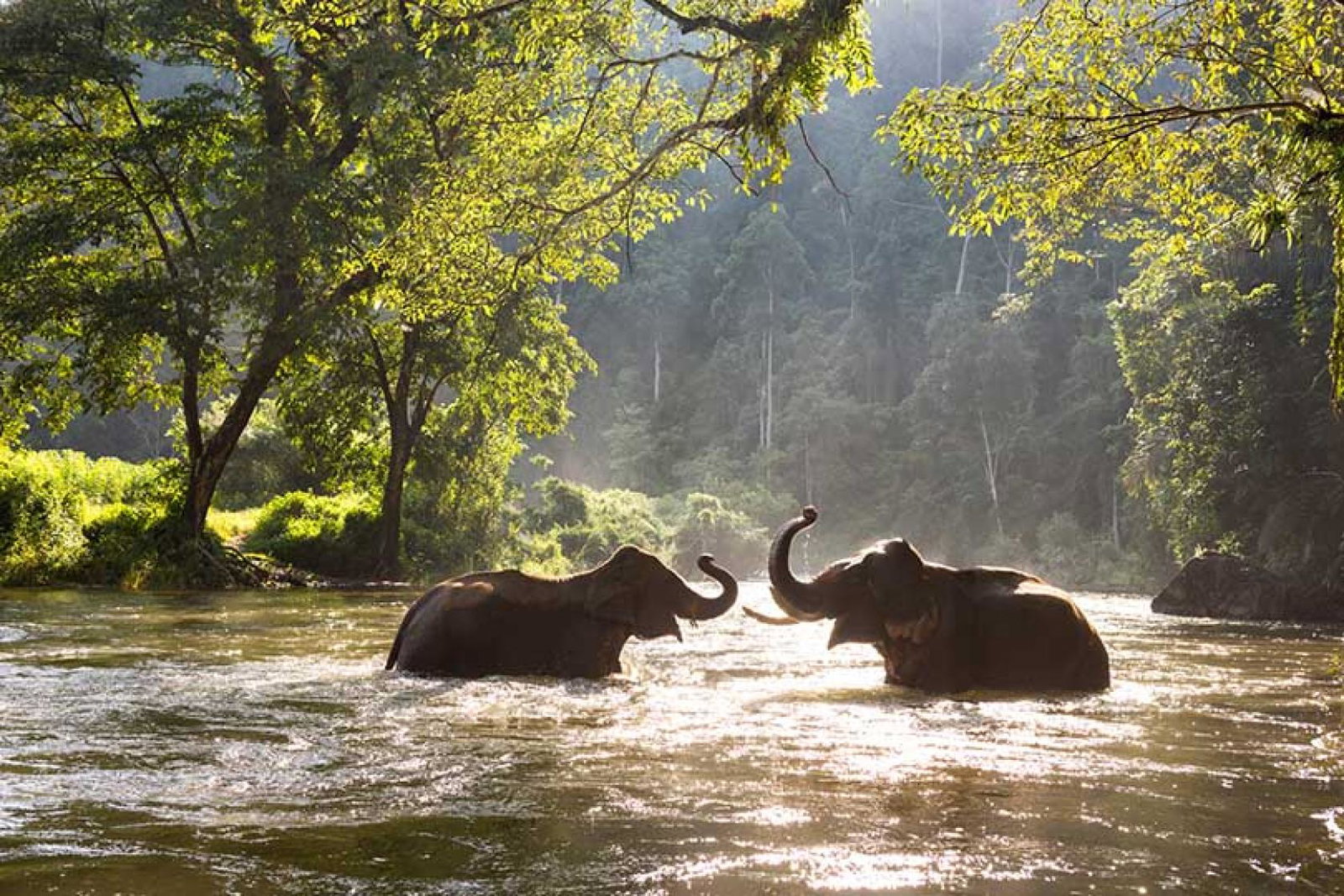
In many tourism destinations around the world, opportunities to view or interact with animals are commonly offered and very popular with holidaymakers. These experiences can be enjoyable, educational and support conservation, but, where experiences are not carefully managed they can jeopardise animal welfare and the customer’s holiday experience. Animal welfare is a complex topic given different species have different requirements.
While animal attractions are undoubtedly popular, customers do want to be assured of good animal welfare standards. This was proven in Abta’s 2021 Holiday Habits research, from which it emerged two-thirds (66%) of people said that they have concerns about how animals are treated.
Abta provides practical guidance for its members and their suppliers to encourage good practice in animal protection and welfare. We have the Abta Animal Welfare Guidelines, which set out basic welfare requirements and unacceptable practices, and there are also guides for specific animals and activities, such as working animals and animals in captive environments.
PRACTICAL ADVICE
Whatever your business, whether you’re an independent travel agent or a large tour operator, you can play a role in driving up standards and helping customers understand which animal activities to avoid. Here are our tips to help get you started:
1.
Make yourself aware of the list of unacceptable practices in Abta’s animal welfare guidelines. This is a very simple place to start – it is a list of activities that we don’t think travel companies should be selling, suppliers should be operating or customers should be visiting or buying. They cover a range of things including holding or having a photograph with a wild animal and the trade and sale of endangered wildlife products.
2.
Understand the basic animal welfare requirements for animals managed and/or dependent upon human beings, as set out in Abta’s guidelines. This will also help you think about and identify which attractions to sell.
3.
If you work with suppliers of animal attractions in destinations, ask them about how they meet Abta’s guidelines and support them to improve practices where required.
4.
Check out other companies’ animal welfare policies. More and more Abta members are developing their own animal welfare policies that explain their approach – there are lots of opportunities to learn from others.
5.
Talk to your customers about animal welfare. For example, activities which involve contact with elephants e.g. riding them or bathing them, is listed as an unacceptable practice by Abta and most Abta members don’t sell these activities, but their customers might still be able to organise those excursions in resort destinations. So, you could talk to your customers ahead of their trip about these sorts of experiences, why they should be avoided and suggest responsible alternatives.
Sustainability can feel overwhelming, and it can sometimes be difficult to know where to start. But small steps can make a big difference, and any action you take to encourage good practice in animal welfare standards or inform your customers about these issues will have a positive impact. You can find more information on Abta’s work on animal welfare and its guidelines at abta.com/sustainability and the Abta sustainability team is available to help members with any queries or issues in this area.
For more information on how to identify responsible wildlife encounters visit the TTG Sustainable Travel Heroes hub.