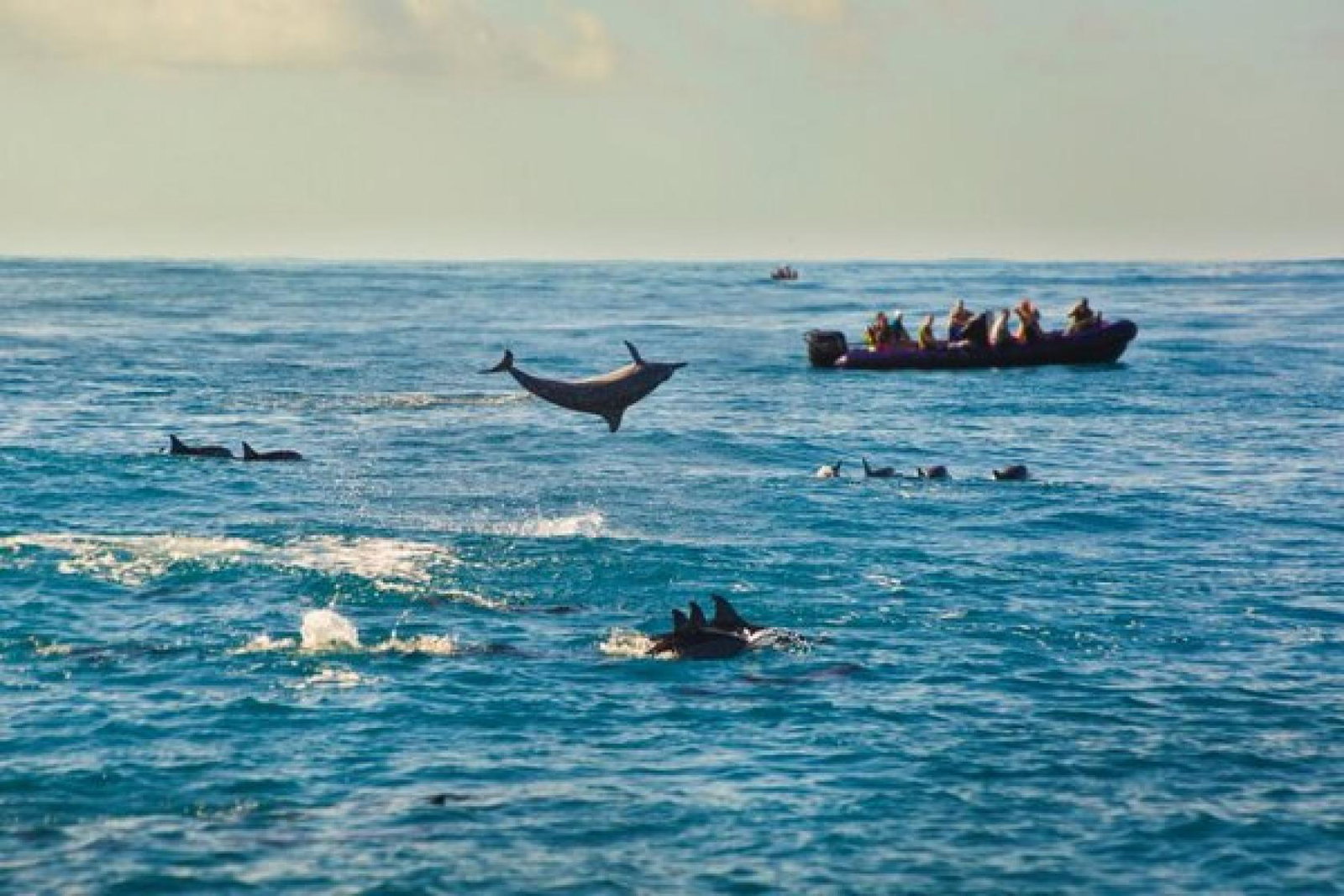
The days when tourists’ animal rights concerns were confined to grimaces in Spanish bars at bullfighting on TV are over, as easyJet holidays and Jet2holidays have illustrated.
Both have accepted public opinion is changing; mid-March, easyJet holidays pledged not to start offering any captive animal attractions, effectively banning the sale of marine parks and zoos.

Less than a fortnight later, Jet2holidays stopped selling captive dolphin and whale attractions following pressure from animal rights groups.
It’s all part of a step change for the industry – one that is perhaps long overdue.
While operators are clear on issues like modern slavery in their small print, most are less forthcoming about animal rights. Some may even work with suppliers that offer animal attractions despite appearing not to feature them.
But things are changing. Dr Carys Bennett, senior corporate projects manager at Peta – People for the Ethical Treatment of Animals Foundation – has worked with travel brands for five years.
“I’ve witnessed huge change,” she says. “More companies are moving towards not offering any animal attractions, and people are so much more aware of the issues.”
She singles out Newmarket Holidays for its Travel for Good policy, which includes a broad pledge not to “encourage or engage in any animal-related activities on any of our tours, or any other unfair activity which exploits animals”.
Abta in the firing line
The group now lists around 80 companies not selling captive dolphin or whale attractions. For those that do, Abta is often the lead on animal issues, although it withdrew advice on cetaceans in 2019, citing confused scientific evidence.
Peta regards Abta’s stance as out of date. “More than 37,000 supporters back out campaign urging Abta to take action on whales and dolphins, because it currently greenlights companies to do business as usual,” Bennett continues. “So many Abta members are taking an ethical stand it doesn’t make sense not to update guidelines.”
Abta, though, is sticking to its guns, saying: “We continue to engage with members and stakeholders on the important issue of dolphins in captivity, updating this information as and when new material comes to light.”
Operators face further scrutiny for selling hotels like Atlantis Dubai and Atlantis Bahamas that feature captive dolphins, while there is a growing boycott of camel rides at Egypt’s Giza pyramids by Explore Worldwide, Insight Vacations and others.
World Animal Protection is another organisation working with the industry. It lists 162 companies globally “committed to moving away from selling and promoting activities that use captive wild animals for entertainment".
These include riding animals, elephant washing, selfies with tiger cubs and so on. G Adventures, Intrepid Travel and Exodus Adventure Travels feature on a growing list of supporters.
Of the UK’s major operators, Tui is now the outlier, and has faced staunch scrutiny in recent months – during which time it has on several occasions confirmed to TTG it is reviewing its stance.
Advertising ban
There is further impetus for change. The UK Animals (Low-Welfare Activities Abroad) Act 2023 was passed in September, banning the advertising and sale of “specific unethical activities abroad”.
The Department for Environment, Food and Rural Affairs (Defra) defines this as “where animals are kept in captivity or confinement, subjected to cruel and brutal training methods, forced to take selfies or are ridden, drugged and de-clawed”.
Defra is consulting on the exact prohibitions. World Animal Protection said: “We are in touch with Defra but there’s no movement on the list of prohibited activities yet.”
It may well be the legislation is full of loopholes, but public sentiment has already shifted, and there will surely be more concessions on animal welfare from UK operators soon – because no one will want to be seen as last to change their spots.