“Now you’ve shown me that, I’m going to have to take it from you,” my guide Wifag said, extending his open palm with a guilt-ridden smile. Reluctantly, I handed over the thumb-sized shard of blue-and-white porcelain I’d pulled from the sugary Maldivian sand earlier that morning.
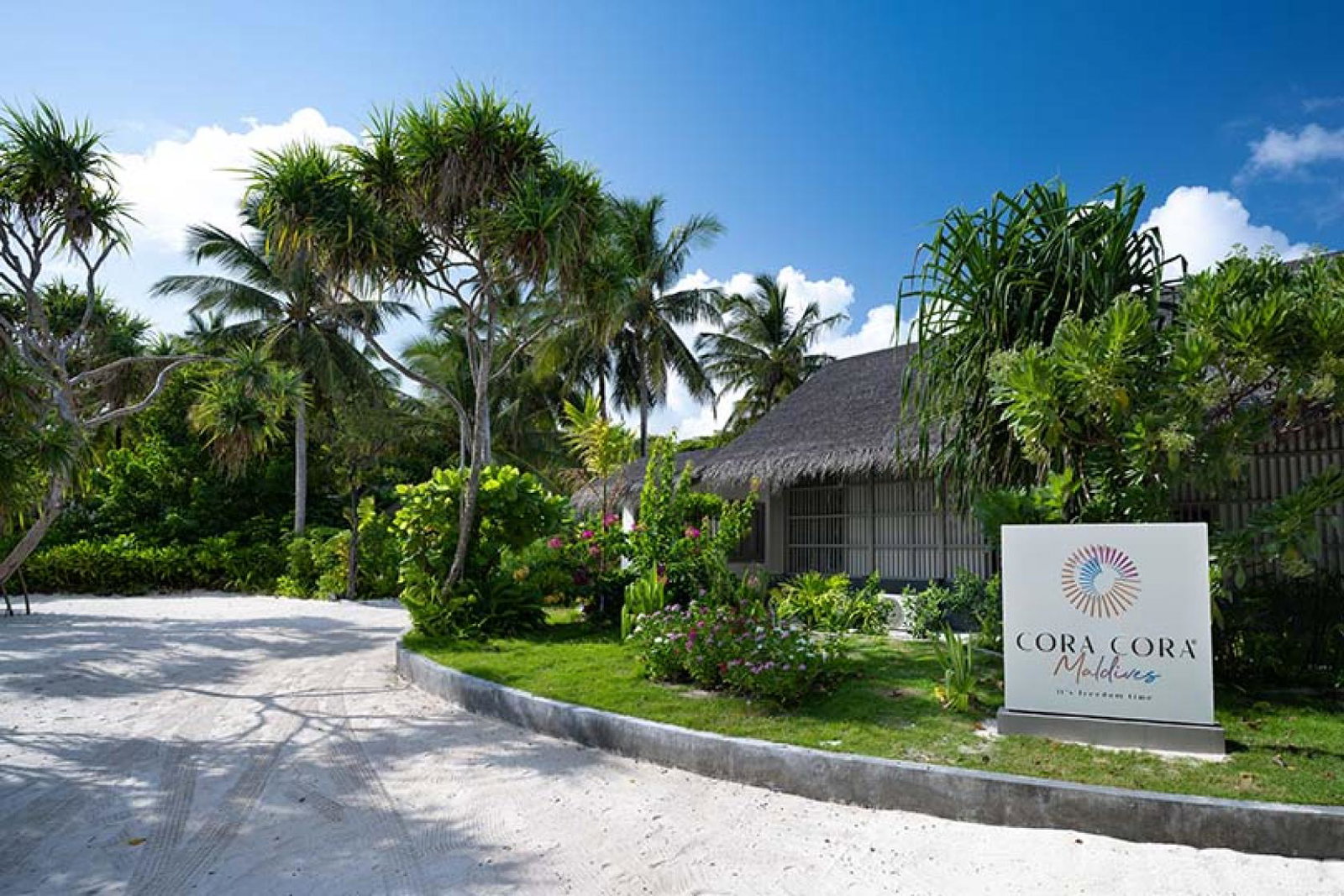
I’d gleefully presented my find during a tour of Cora Cora Maldives’ Museum of Island Heritage after learning pieces of Chinese porcelain dating back to the Kangxi period (1662-1722) often wash up on the shores of Maamigili, as the island was commonly known before its days as a luxury resort.
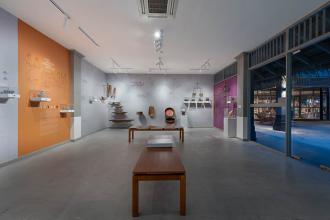
My piece of porcelain now sits among the ancient artefacts on display in the museum, which I’m told is only the second in the Maldives – the first being the National Museum in the capital, Male.
Cora Cora’s museum houses more than 60 historical items excavated from Maamigili since resort development began in 2011, including Chinese porcelain bowls from the 15th century, ancient oil lamps thought to have travelled from India, a Sri Lankan drinking jar dating back to the Polonnaruwa era (1065-1120), Dutch “onion” bottles used for wine and cider in the 1600s, and copper jugs Maldivians once used for washing.
As well as items recovered from Maamigili itself, the museum curators have collected more than 400 relics from other islands in the Maldivian archipelago: a popular stop-off point for traders on the historic Spice Route.
ISLAND FINDINGS
The precious collections are all housed in the indoor museum behind Cora Cora’s reception area, but in the centre of the island there’s an outdoor museum complex too.
Once I was able to tear my attention away from Wifag’s moggy, named Orange, sitting under the Banyan tree – a cat? On a tiny Maldivian island? How? When? Why? – I was further astounded to see two bathing tanks used by Maamigili’s original inhabitants that have remained largely intact for 900 years.
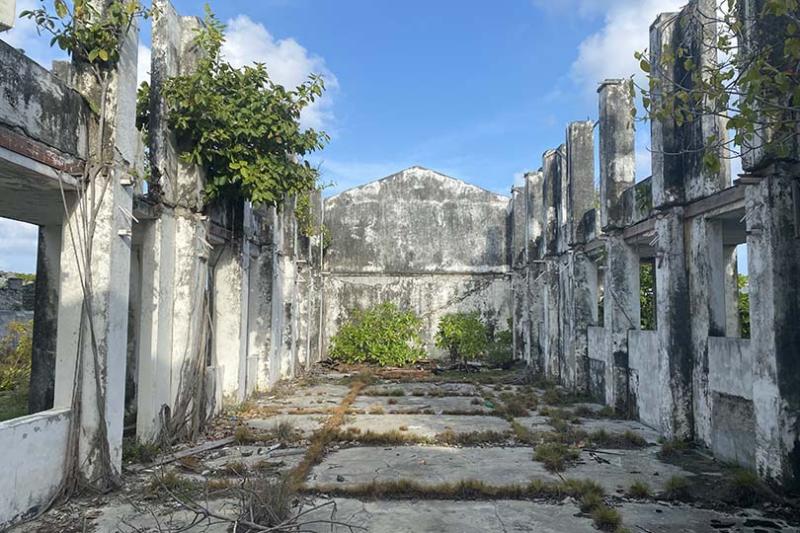
Behind the tanks lie the remains of a mosque compound thought to be one of the oldest types of its kind in the Maldives, and a 130-year-old traditional house that allows guests to see what living as a local would have looked like in years past. It’s incredible to think such preservation has occurred on this small island over so many decades – and even more incredible that Cora Cora is fully embracing and celebrating the island’s history and heritage. For many resorts in the destination, claims to fame can often be more about whether you have a spa/ restaurant/nightclub under water.