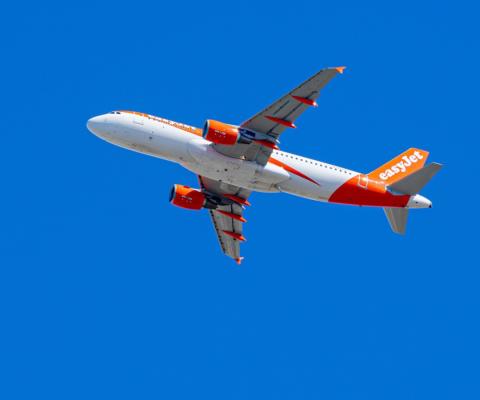
Jo Causon, chief executive of the Institute of Customer Services (ICS), said despite the mass disruption not being a direct fault of airlines, they are still the first point of contact when things go wrong for consumers.
"From a service perspective, often a crisis is a good opportunity to demonstrate what good service can really look like – ‘the moment of truth’ and the wider positive impact this can have on how we feel about an organisation," she added.
Causon sympathised with the industry, acknowledging the challenges it has faced post-pandemic while struggling with staff shortages and industrial action.

However, she claimed the same customer service issues come up each time there is disruption. "So perhaps we should be asking why the sector isn’t learning from the previous challenges," she queried.
According to ICS’s latest UK Customer Service Index, published in July, average satisfaction with airlines was 73.7, a drop of 4.6 points compared to a year ago.
Three of the four complaint handling measures (handling of the complaint, staff attitude, and speed of resolving your complaint) dropped by at least two points (out of 10) compared to July 2022.
Causon said it was "imperative" airlines respond quickly and efficiently when there is disruption, "taking control of the conversation" with customers and engaging in a "clear and effective" way.
"The customer will ultimately view the airline as the problem if communication is poor, so while we can’t stop or predict these issues, we can certainly make sure we are keeping customers informed – particularly of their options and rights when left stranded by cancellations," she continued.
Secondly, Causon continued, airlines "need to see these challenges as an opportunity" to revisit their long-term customer service investments and get ahead of competitors with an improved strategy.
"Enhancing customer loyalty could potentially head off the need for increased regulatory powers and the financial consequences that flow from this," she added. "Failing to act now will invite further regulatory scrutiny, at a time when the sector is already under unprecedented pressure."